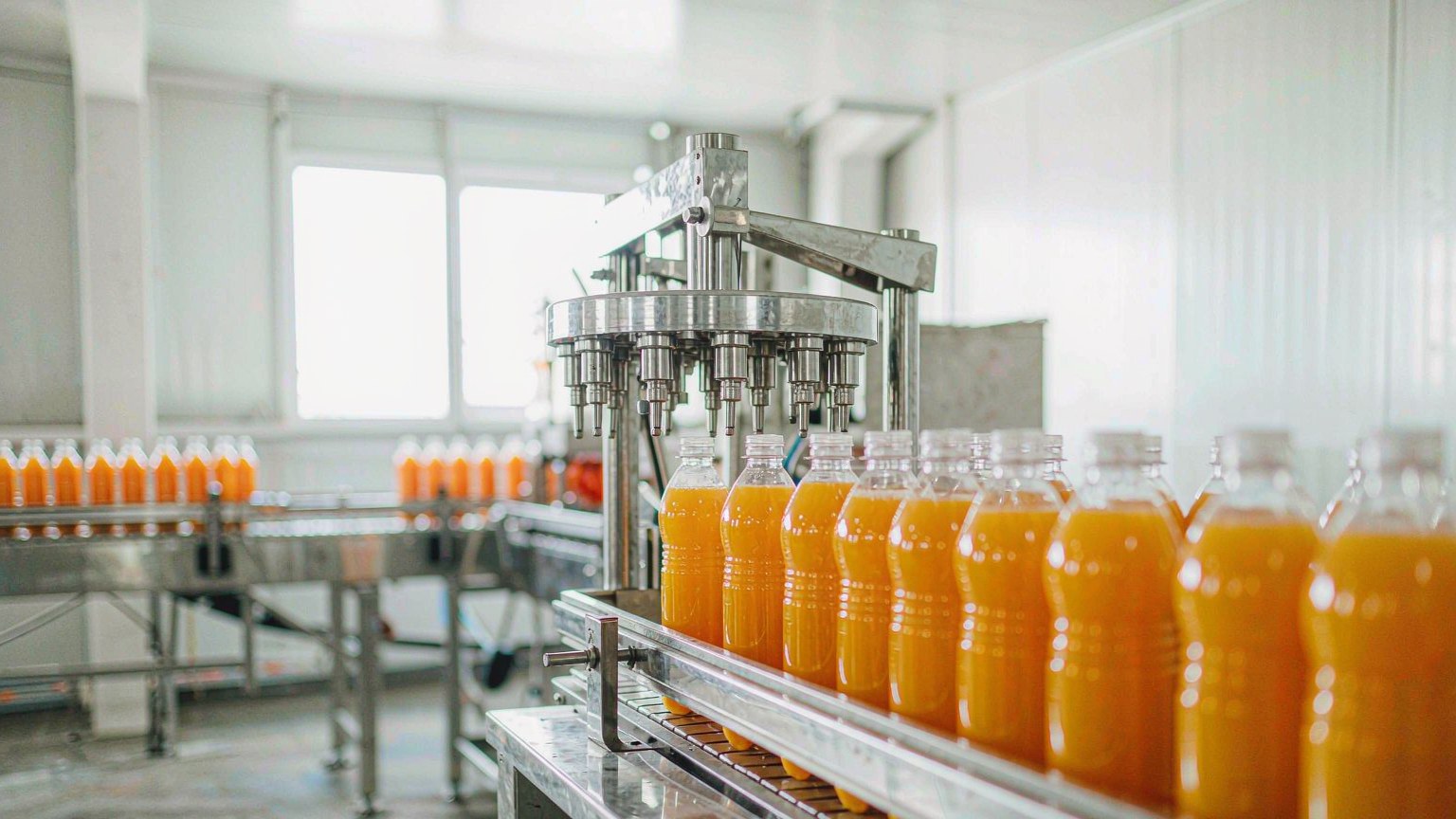
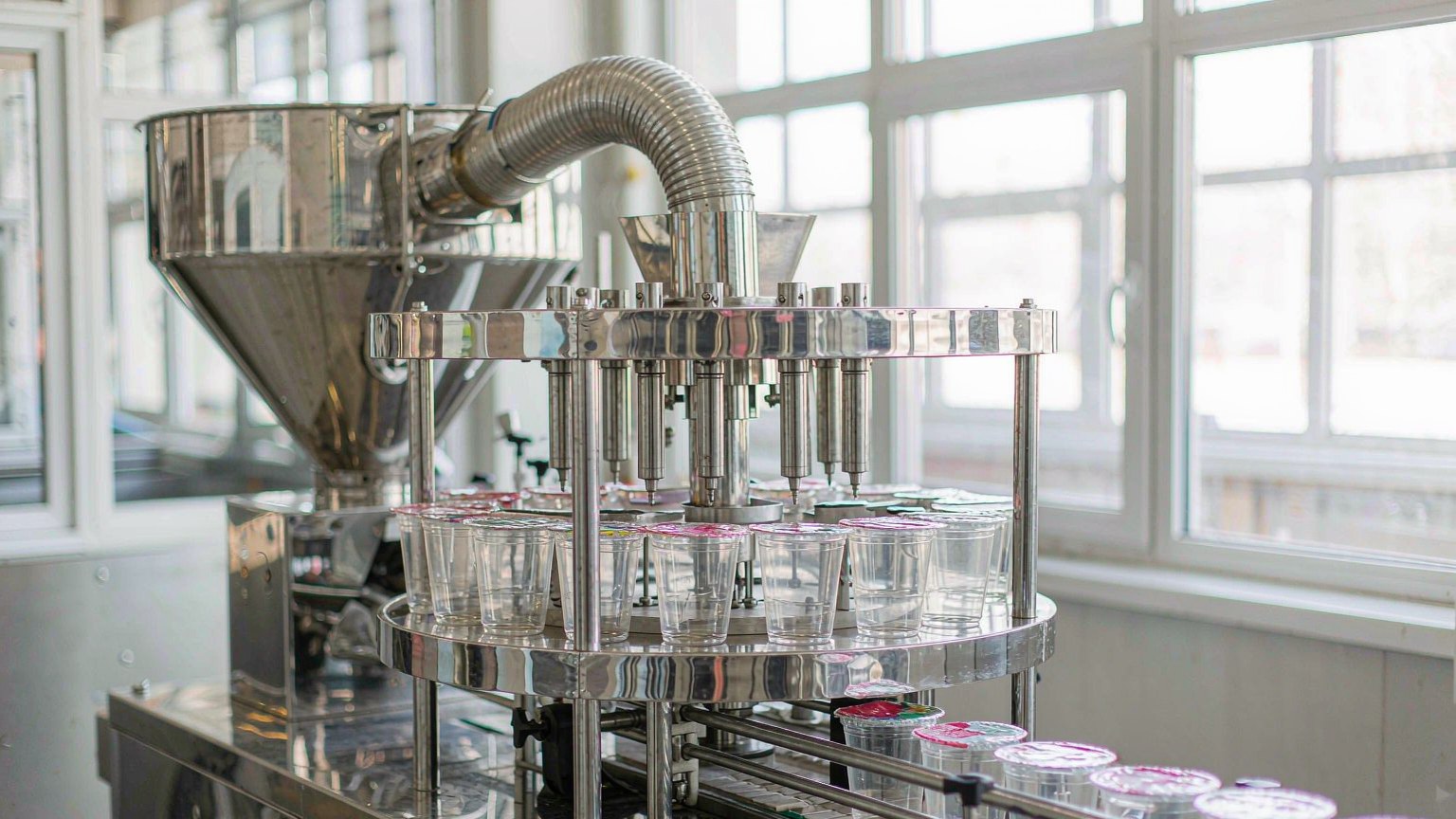
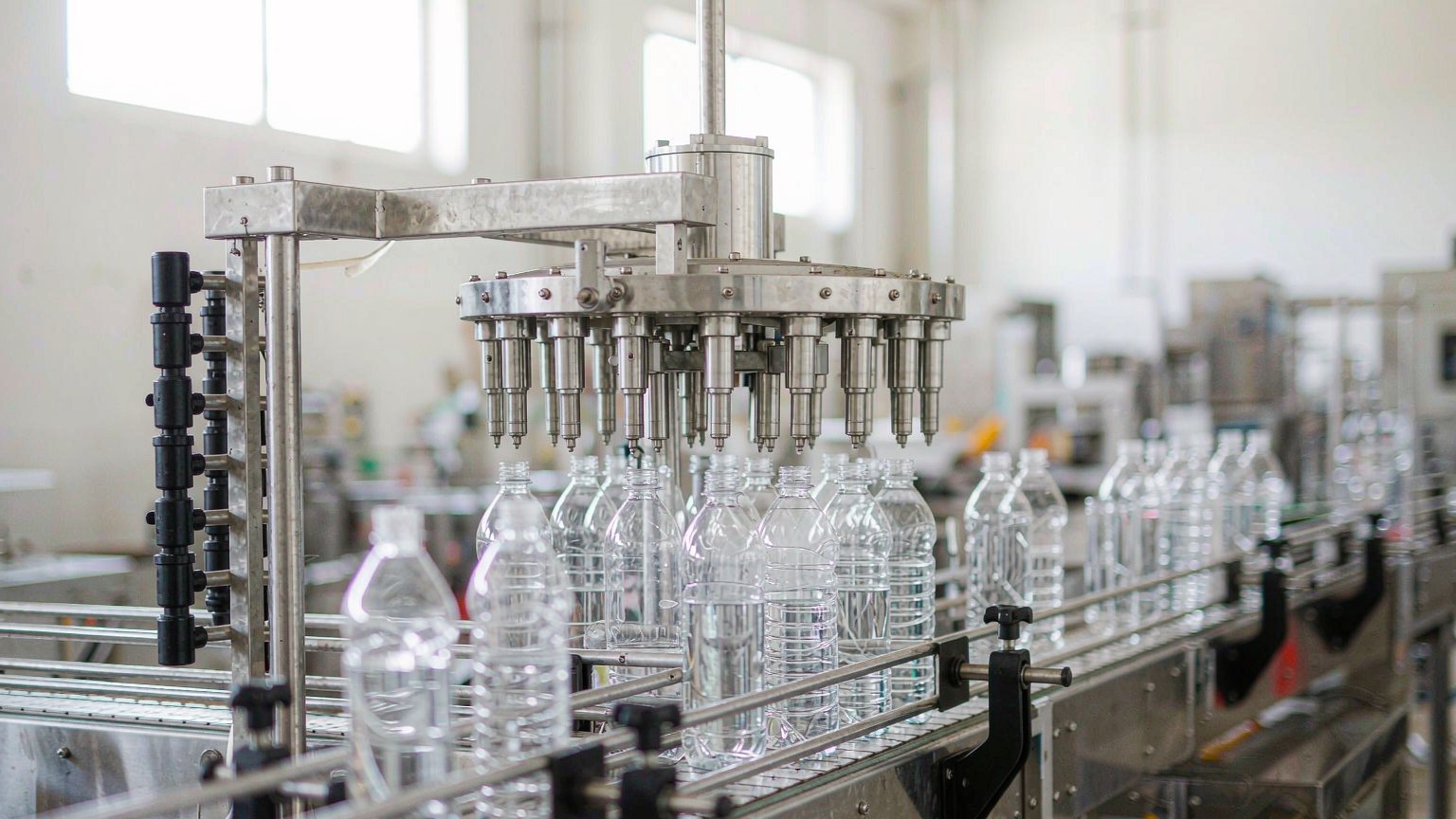
Line checks before start-up, gradual acceleration, sealing temperature control, trained operators and scheduled part replacement — the operating routine behind a safe beverage pack.
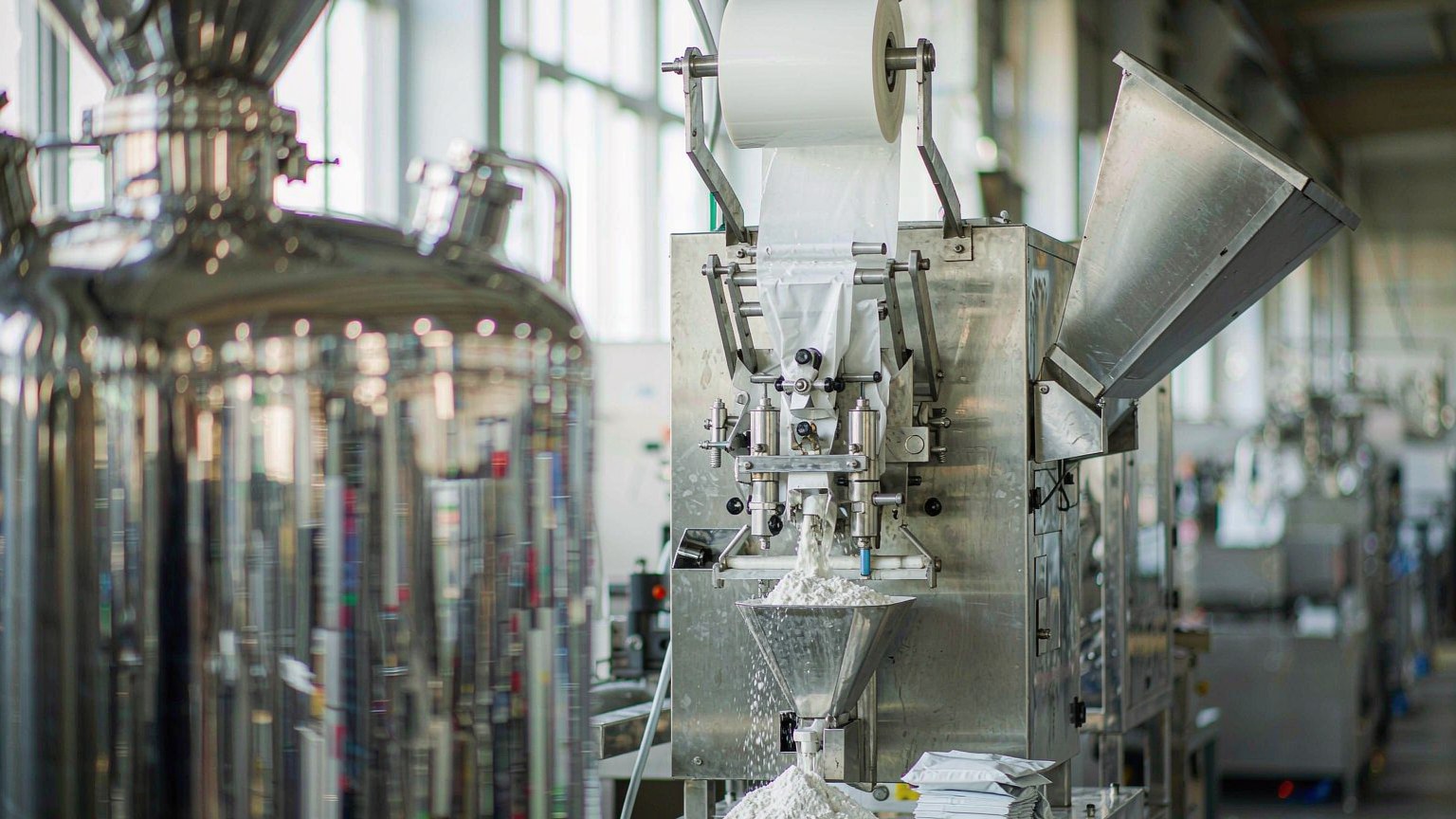
Powder behaves differently from every other material. Matching the machine to the powder, controlling dust and static, and getting the seal right.
Why ice is one of the hardest products to pack, and how an ice cube filling and sealing machine handles condensate, sharp edges and cold-room hygiene.
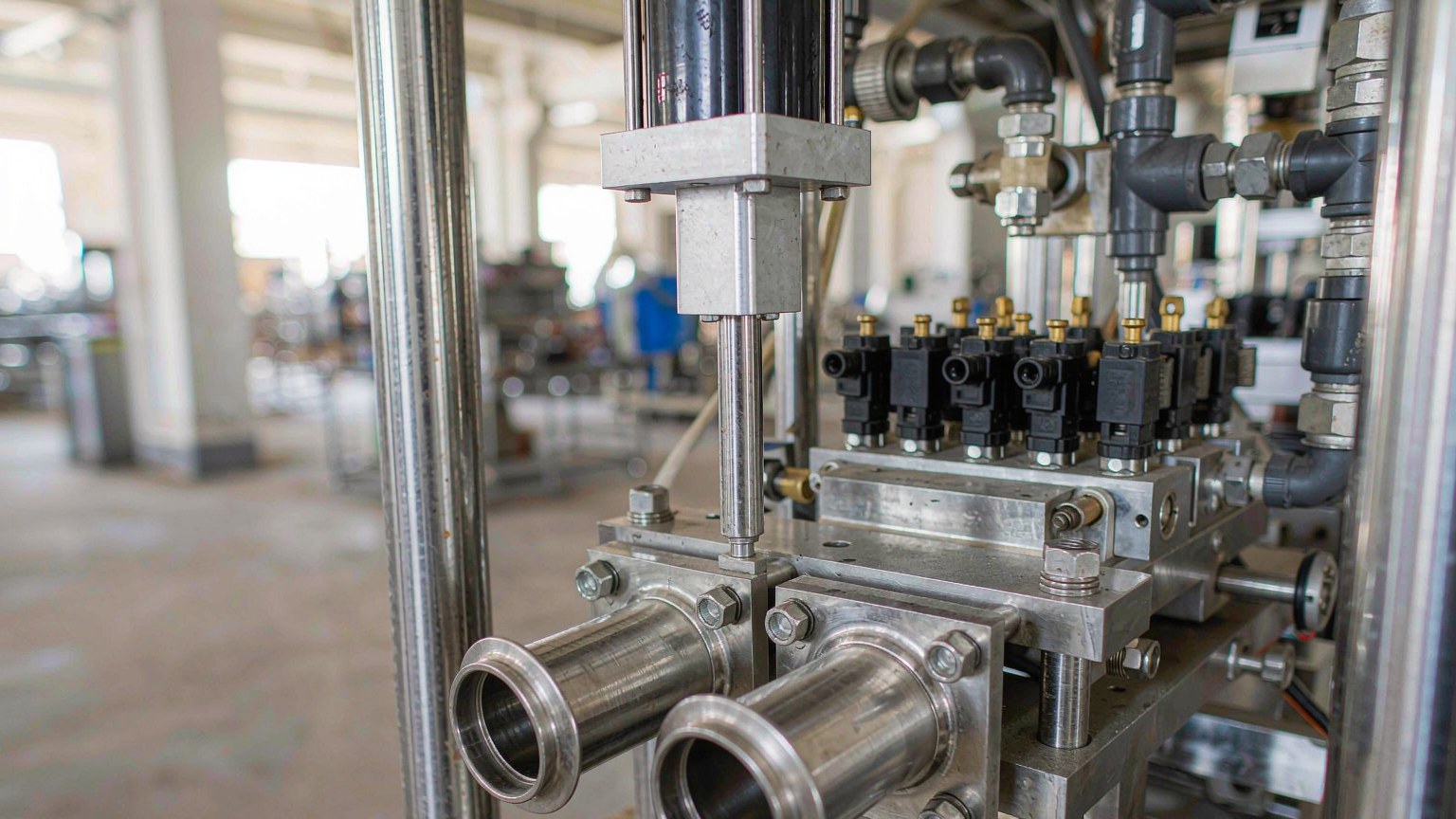
Supply, measurement, filling and sealing — how a quantitative filler handles liquids, pastes, powders and granules accurately.
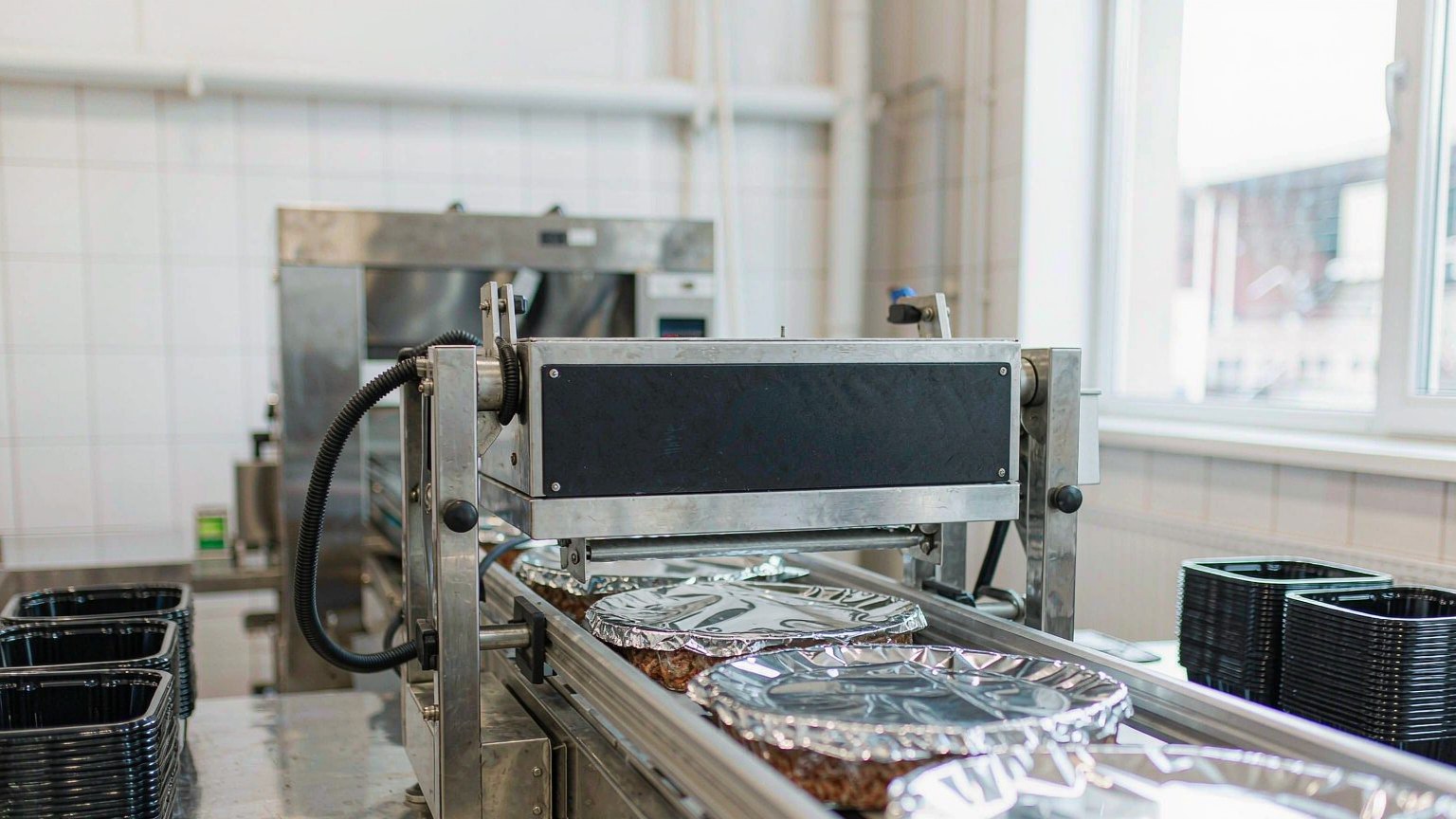
Car fragrance products come in cups, boxes, bottles and jars. A foil lidding machine that changes tooling between formats keeps the line flexible.
Simple machines still need discipline. A cleaning, inspection and lubrication routine that protects fill accuracy and product hygiene.
A structured way to match a beverage filler-sealer to your product, container and output target — before you compare prices.
Pre-start checks, parameter setting, in-run inspection and data records for an inline bottle filling and sealing line.
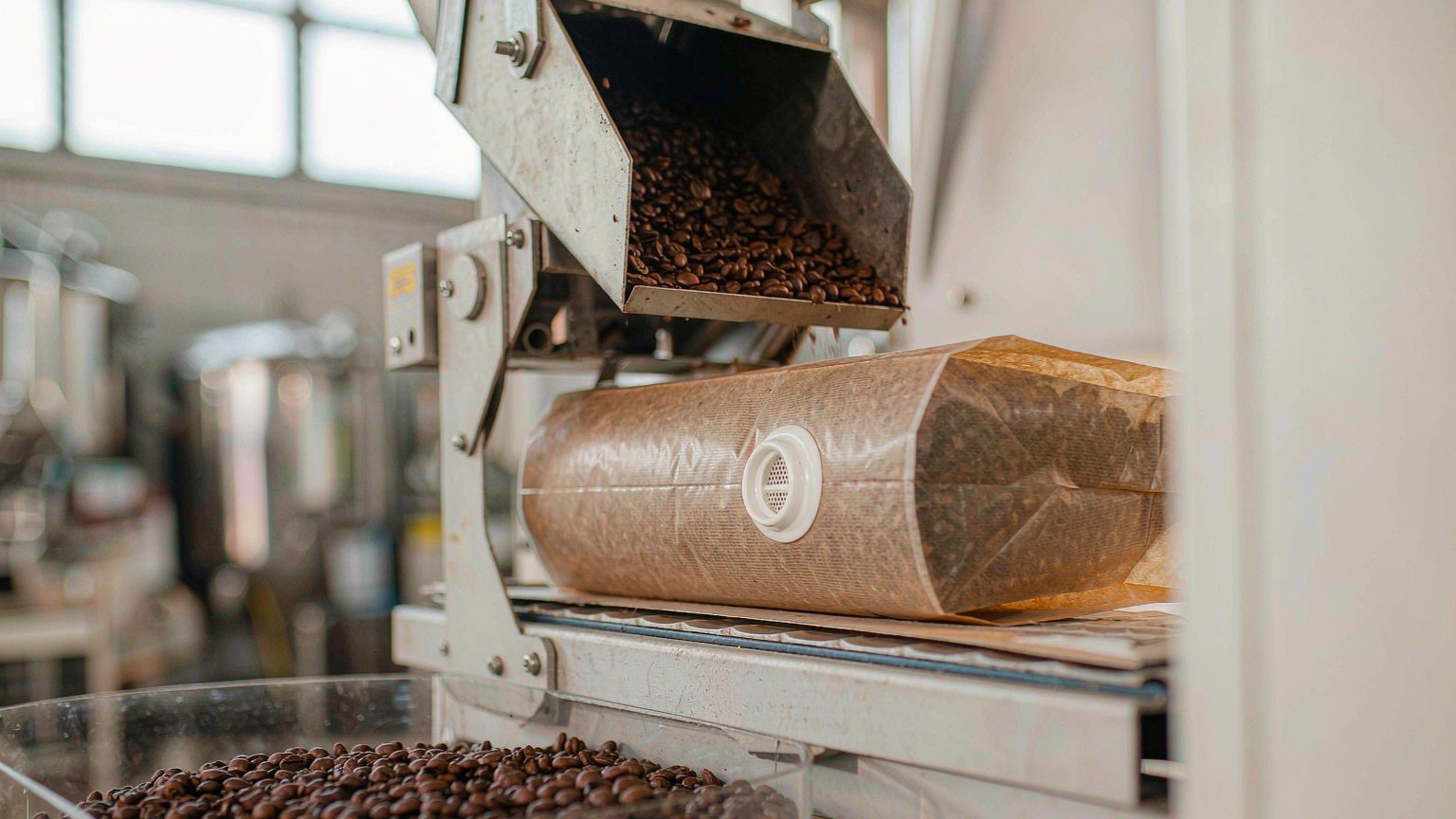
Ground coffee is oily, hygroscopic and aromatic. The cleaning, parameter setting and handling rules that keep the product tasting as it should.
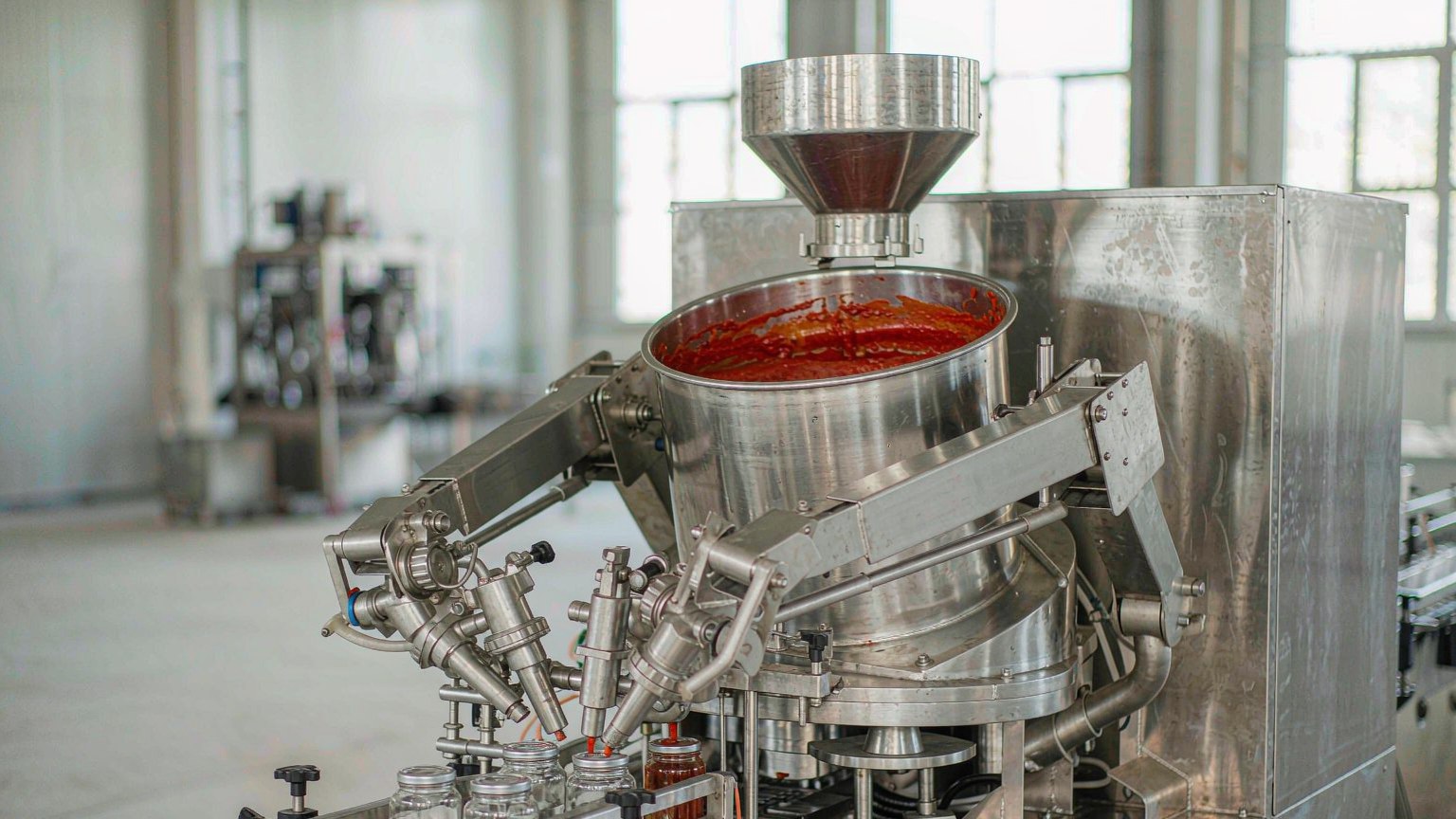
Dosing by flow meter, piston, gear pump or magnetic pump — how the right filling principle improves consistency and reduces cost per unit.
From star wheel to seaming rollers — the mechanical sequence of a rotary filler-sealer, and the differences between pressure, isobaric and vacuum filling.

Daily cleaning and lubrication, monthly calibration and electrical checks, annual wear-part replacement — a four-tier maintenance plan.