

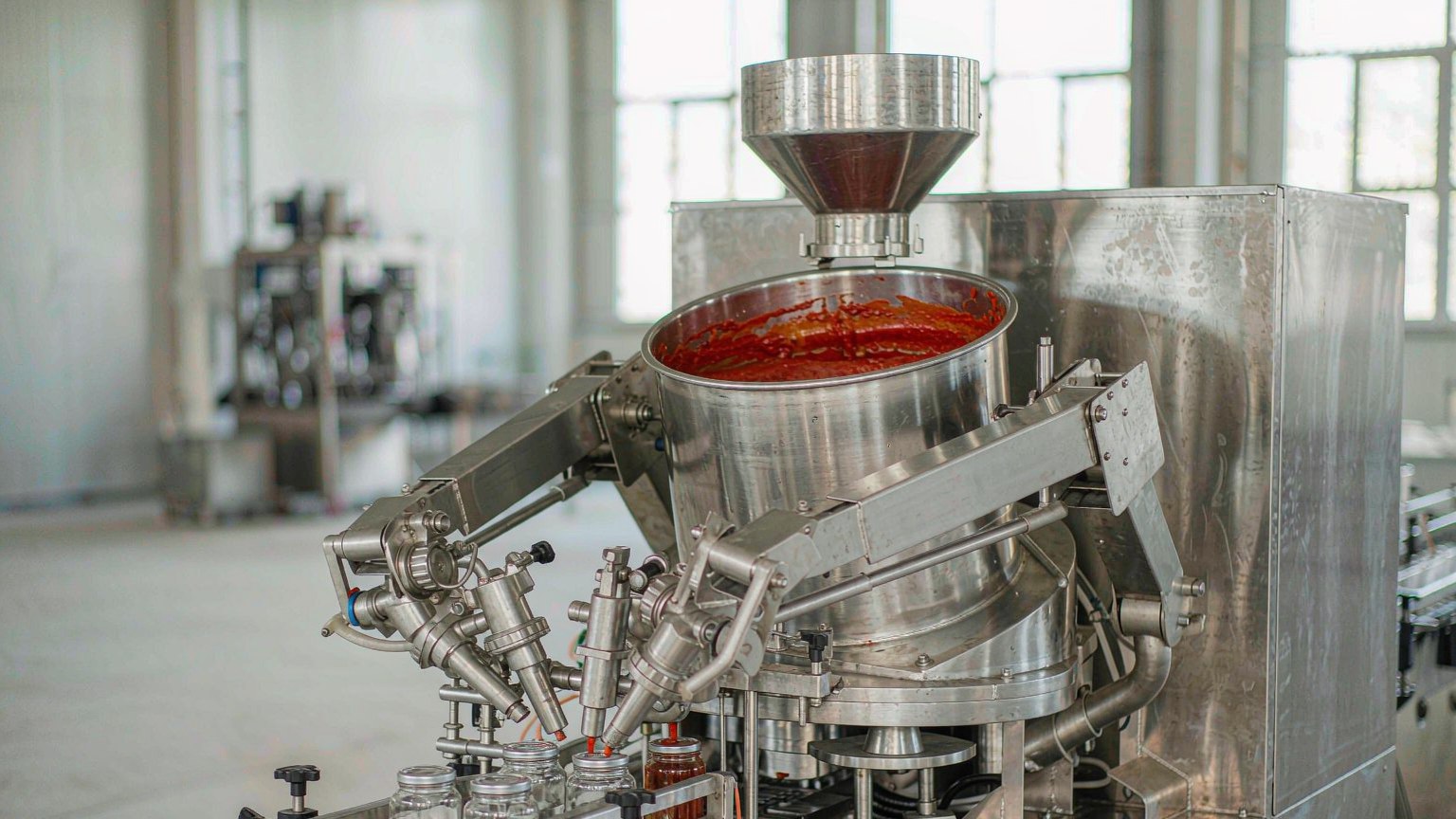
A semi-automatic paste filler is a simple machine, and that simplicity is an advantage — but simple equipment left unmaintained fails in the same ways as complex equipment, only with less warning. Because these machines handle product directly, maintenance is simultaneously an equipment issue and a hygiene issue, and the routine that works follows a clear escalation: daily, weekly or monthly, and annually.
Every day: clean and inspect
Daily cleaning is the foundation, and it should be a procedure rather than an improvisation. Strip the parts that touch product — hopper, filling cylinder, piston, discharge nozzle and valves. Remove residual paste with a scraper first, then wash with warm water or an appropriate cleaning agent, rinse with purified water and sanitise. Products that set hard need to be softened in warm water before cleaning; abrasive tools should never be used, because scratched surfaces both hold residue and fail hygiene inspection. Wipe the exterior with a soft damp cloth and leave the machine dry. After cleaning, check that pneumatic connections are tight and that cylinders move freely, and apply a small amount of food-grade lubricant to guide rails and lead screws.
Weekly and monthly: find problems early
Regular inspection is what converts maintenance from reactive to preventive. On the pneumatic side, check the filter-regulator-lubricator unit: drain water from the bowl, confirm lubricant level and function, and verify the condition of the filter element — these three items are what determine the service life of the cylinders and solenoid valves. On the electrical side, isolate the machine and inspect terminals and wiring for looseness and ageing. Then examine the seals specifically: piston seals and valve seals are the parts whose wear shows up first as reduced filling accuracy or leakage, and they should be replaced as soon as wear appears rather than when failure occurs. Finally, lubricate every designated point — bearings, linkages — on the schedule the manual specifies for the machine’s duty cycle.
Annually, and in storage
A machine in heavy use benefits from a full annual overhaul: complete disassembly, cleaning and inspection, replacement of all wear items such as seals and O-rings, and recalibration of the mechanical structure so that filling accuracy is restored to specification. If the machine is to be idle for an extended period, prepare it properly — a thorough deep clean with every part dry, a protective anti-rust coating on all metal moving surfaces, and covered storage in a dry, dust-free area. Machines that are put away dirty and wet come back corroded.
Documentation and people
Keep a maintenance record covering daily cleaning, periodic maintenance and parts replacement. Over a year it shows the real service life of each component and gives a factual basis for diagnosing new faults. And train the operators: equipment used strictly according to procedure needs less maintenance than equipment used approximately. Maintenance of a semi-automatic paste filler is inexpensive and returns a great deal — longer equipment life, stable fill accuracy and product hygiene that survives audit.
Need help specifying or upgrading a line?
Send us your product, format and target output per shift. We come back with a station sequence, the tooling list and an indicative price — no obligation.
