

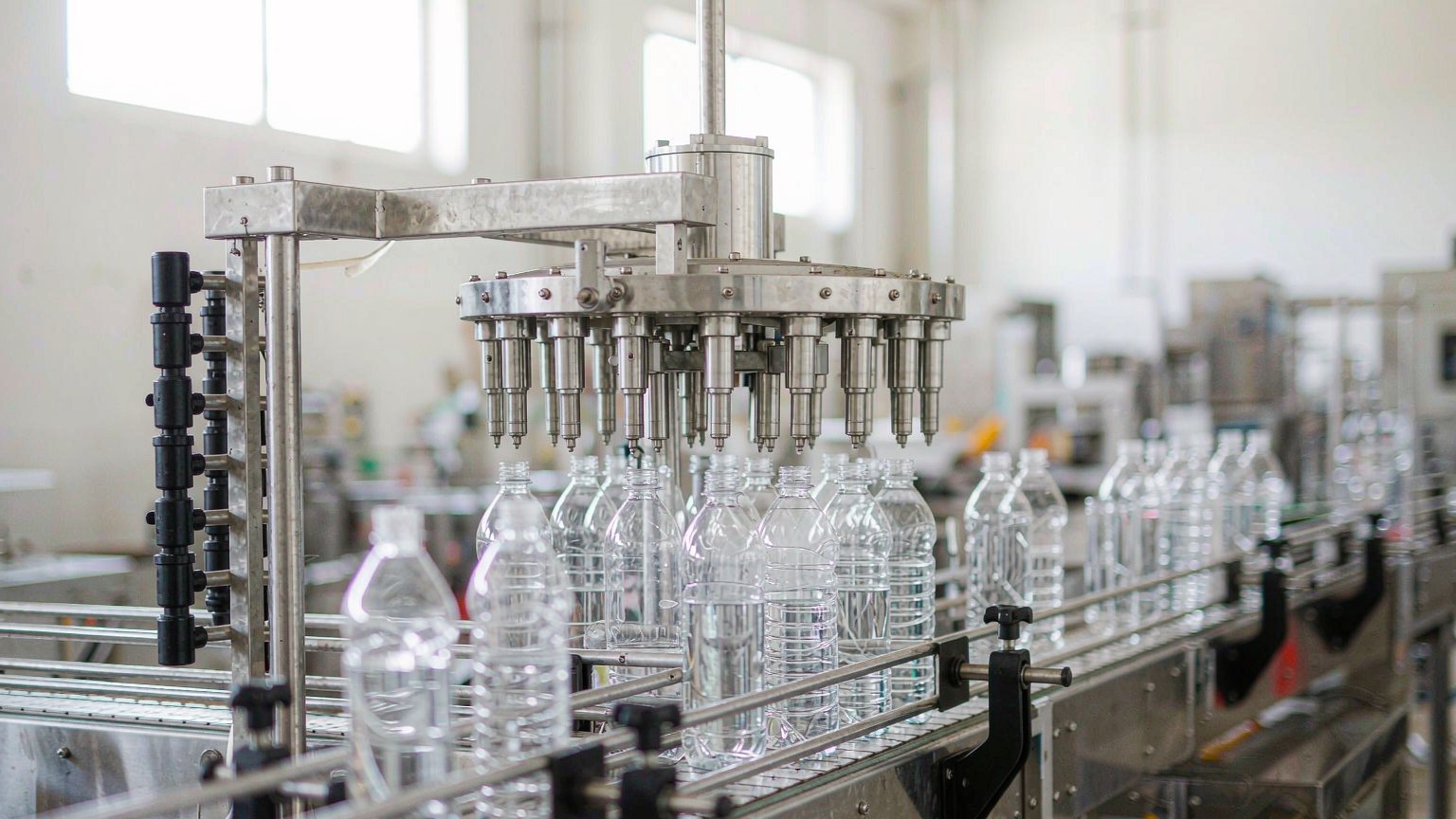
An inline bottle beverage filling and sealing machine carries a disproportionate share of a plant’s product quality. Everything upstream produced the drink; this machine decides whether the bottle contains the right amount and whether it leaves the plant sealed. The discipline that keeps that true is unglamorous and entirely transferable.
Prepare properly
Pre-start inspection should be systematic and written down: lubrication of drive components, conveyor belt tension, integrity of pneumatic lines and electrical connections. Cleaning is not optional and not decorative — run the cleaning-in-place and sterilisation-in-place cycles so that the product tank, filling valves and every product-contact surface start the shift sterile. Then set the parameters for the run in front of you: fill volume, closure torque for screw or press-on caps, and filling temperature where hot filling is used. Set them from the container and the product, including whether the drink is carbonated or still and how viscous it is. Finally, run empty bottles through and verify fill accuracy and closure tightness before production begins. A trial run of a dozen bottles prevents a shift of rejects.
Monitor the run, not just the output
Start with the containers: consistent bottle specification, undamaged, washed and dried before they reach the line, so that debris cannot enter the filling zone. Then inspect at intervals — fill level consistency, cap seating and flatness, and the presence or absence of unusual vibration or noise. Watch the process conditions as well as the product, because fill accuracy responds to back pressure, product temperature and viscosity. Carbonated drinks need a stable carbonation pressure or the fill will vary with gas breakout; heat-sensitive drinks need filling temperature held in band to avoid both scalding and degradation. Closure quality depends on the cap itself, so cap supply and incoming quality control are part of the filling machine’s performance.
Shut down and learn
Clean immediately after production, because beverage residue both corrodes equipment and supports microbial growth. Follow the maintenance plan for filling valves, seals and cutter rings, and lubricate moving parts on schedule rather than on failure. Record every shift: output, downtime, fault causes and first-pass yield. Over weeks, those records identify the real bottlenecks and the recurring faults, and they turn maintenance planning from an opinion into a decision based on evidence.
Need help specifying or upgrading a line?
Send us your product, format and target output per shift. We come back with a station sequence, the tooling list and an indicative price — no obligation.
