

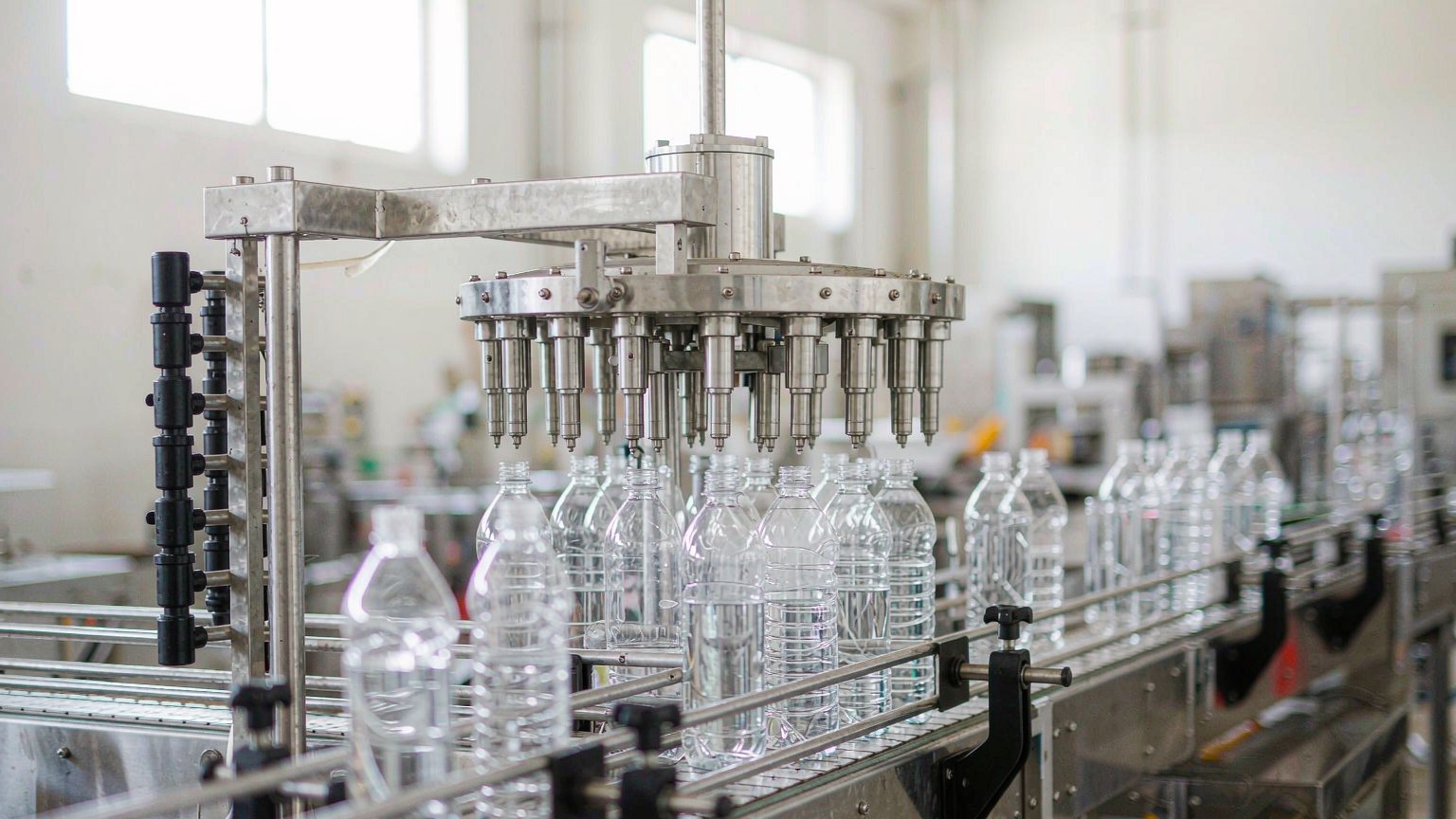
An automatic quantitative filling machine measures a defined quantity of material into a container and closes it, and it does so across four material types — liquids, pastes, powders and granules — in food, pharmaceutical, personal care and chemical production. Its appeal is simple: the machine holds the declared quantity, and holding it is what separates a compliant product from an expensive mistake.
The four stages
Material supply comes first. Product is moved from a hopper or feed system into the machine’s storage tank by pneumatic, mechanical or gravity transfer, and the transfer path is designed to keep the material uncontaminated and undamaged. Quantitative measurement follows, and this is the core of the machine: sensors and metering devices determine the actual weight or volume of each dose, using electronic weighing, flow measurement or volumetric measurement as appropriate to the material. The machine can then adjust the dose automatically against the setpoint so that every pack matches the specification. Filling delivers the measured quantity into the container, and the method is chosen from the material — gravity for thin liquids, vacuum or pneumatic filling where the product or the container calls for it — so that the transfer is smooth and does not spill or contaminate. Sealing and discharge complete the sequence: the container is closed by heat sealing, pressure sealing or screw capping, and the finished pack leaves on a conveyor for the next stage.
Four advantages of the design
Measurement accuracy is the first. Because the metering system is matched to the material’s characteristics, the machine doses consistently whether the product is liquid, paste, powder or granule, and the material waste caused by inaccurate dosing is removed — which is a direct saving on products whose raw materials are expensive. Automation is the second: the sequence runs without intervention once parameters are set, so a single operator supervises rather than performs, and production continues without the interruptions manual work introduces. Adaptability is the third, since the machine handles bottles, bags and cans and can be adjusted for fill volume and speed, which means one machine can serve several products and pack formats. And cleanability is the fourth: stainless steel construction to hygiene standards suits food and pharmaceutical use, corrosion resistance extends service life, and automatic cleaning features on many models reduce the downtime associated with product changeover.
Selecting one
Match the metering principle to the material rather than to the price list — electronic weighing where the pack is sold by weight, volumetric where the material is uniform and speed matters more than absolute accuracy. Then confirm four figures: guaranteed accuracy at the smallest pack, the container range covered, the changeover time between formats, and the cleaning method. A machine that answers all four well will still be in specification several years from now; one that answers only the first will not.
Need help specifying or upgrading a line?
Send us your product, format and target output per shift. We come back with a station sequence, the tooling list and an indicative price — no obligation.
