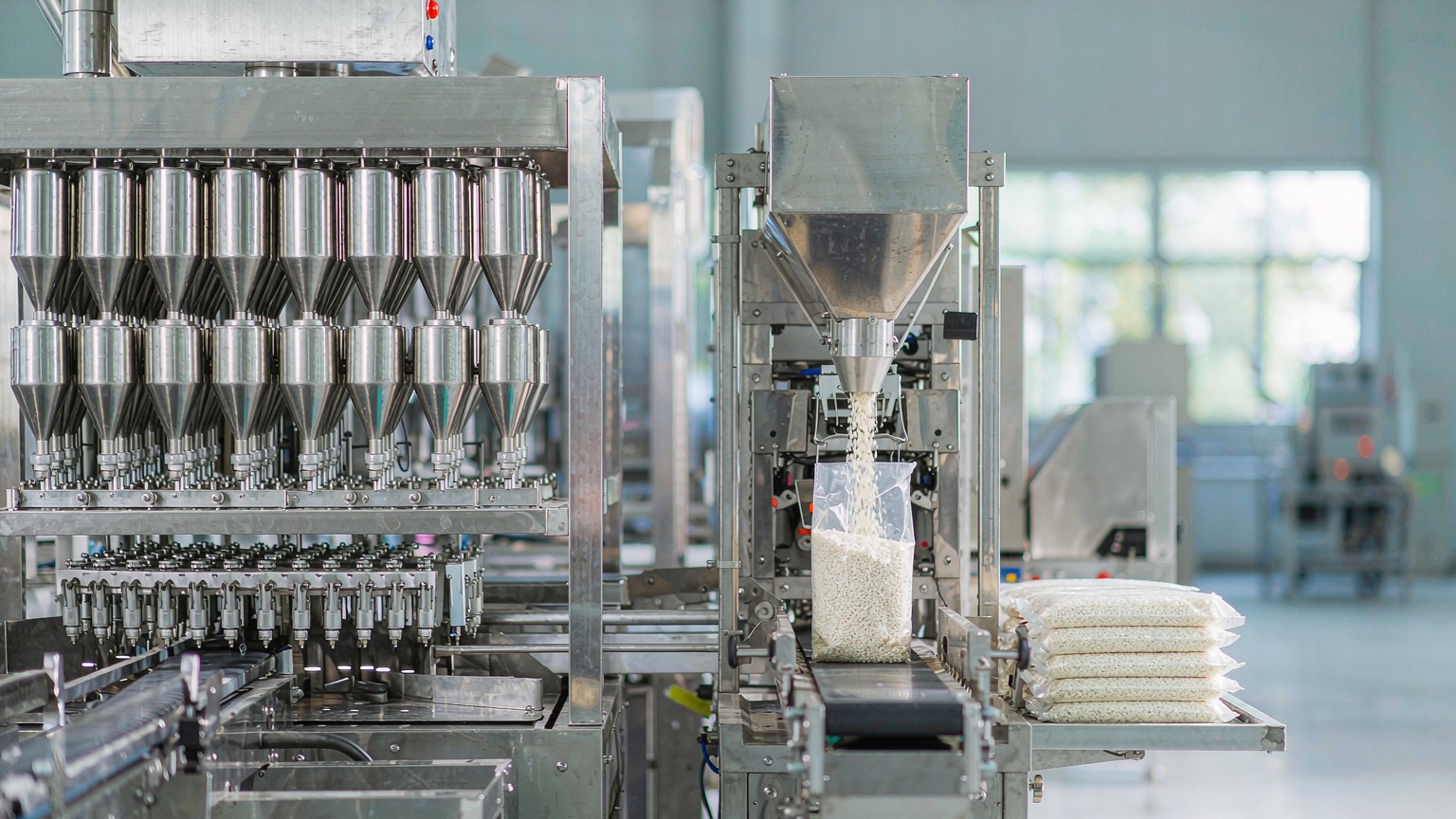
Rice packing moved from hand-weighed sacks to multihead weighing and PLC recipes. The technical steps that made it happen, and what comes next.
Soft solids in brine, in glass jars, with a two-year shelf life. The filling and sealing techniques that make industrial sufu production work.
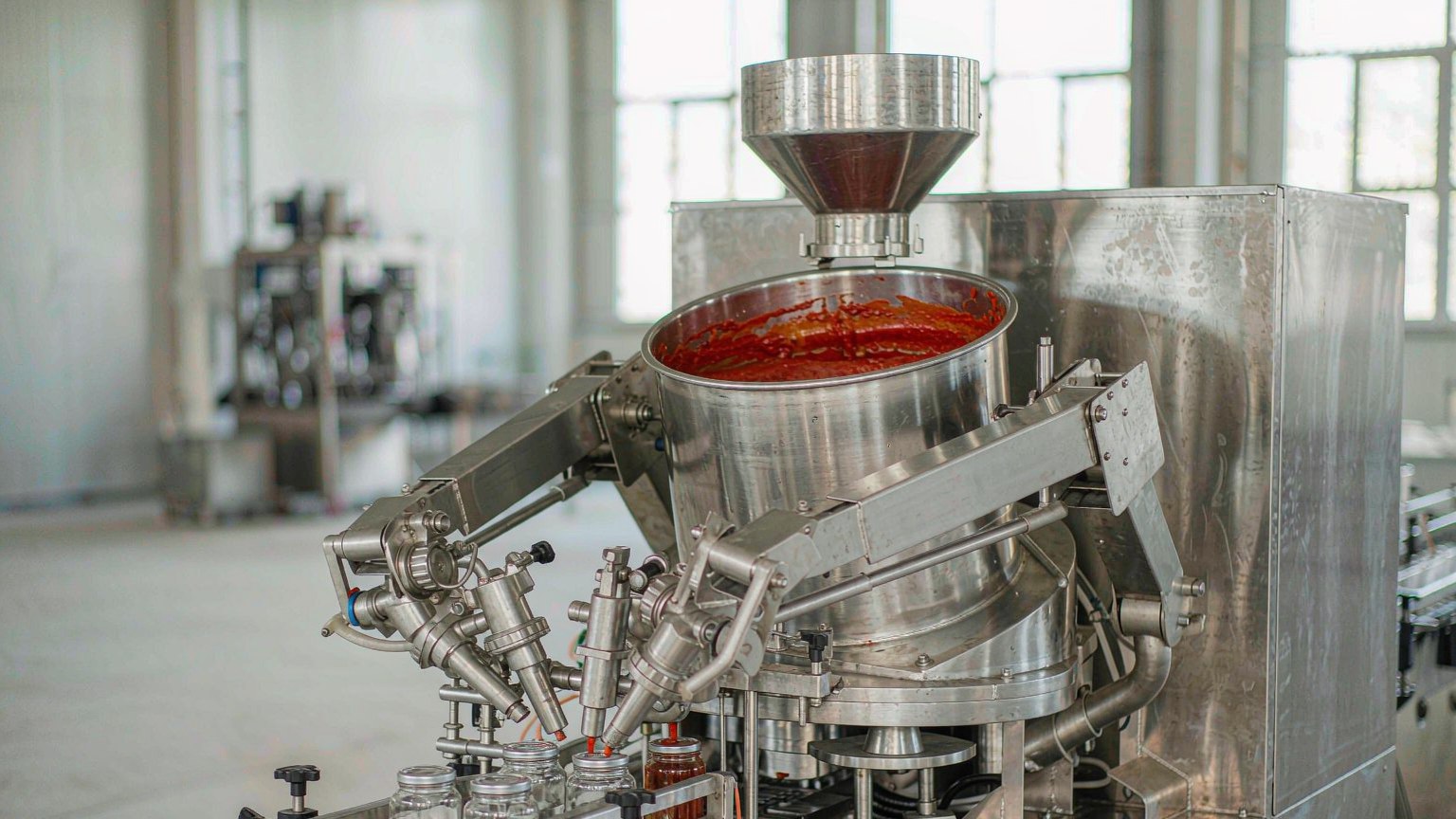
Tomato paste is homogeneous, viscous and prone to stringing and dripping. The filling technology that turned a fragmented trade into a standardised industry.
Feeding, metering, filling, container location and control — the structure of a granule packing machine, and the case for automating.
Salt, oil, acid and particulate each constrain the filling and sealing method. Matching the machine to the recipe is what keeps aroma and shelf life intact.
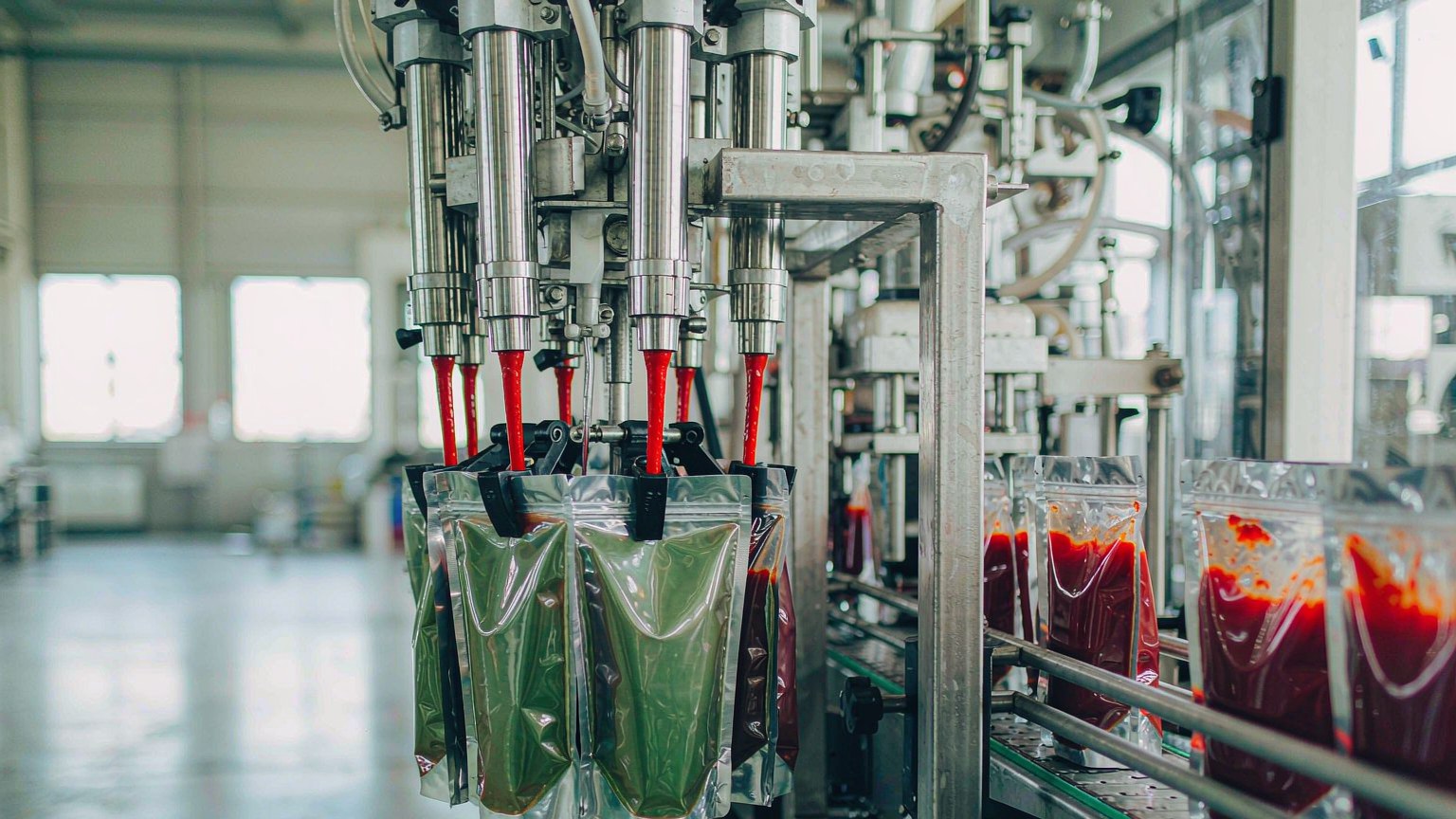
Pick-up, open, fill, seal, cut — the pre-made pouch route to liquid packaging, the industries it serves, and how to select one.
From scale and safety to product innovation and supply-chain standards — four ways filling and sealing technology changed what the food industry can do.
Fill weight, seal position and seal force decide whether an ice cup is a product or a complaint. How modern ice cup packers control all three.
How multihead weighing and good sealing took granule snacks from loose, unbranded goods to weighed, traceable, branded packs.
Compact, accurate and easy to clean — how small-format granule packaging machines suit smaller producers, and the six points to check before specifying one.

High output, sterile handling and product changeover on a line with a shorter life than the equipment — the forces shaping pharmaceutical fillers.
Weighing and feeding methods, the auxiliary equipment around them, and the eight practical advantages of mechanised granule packing.