

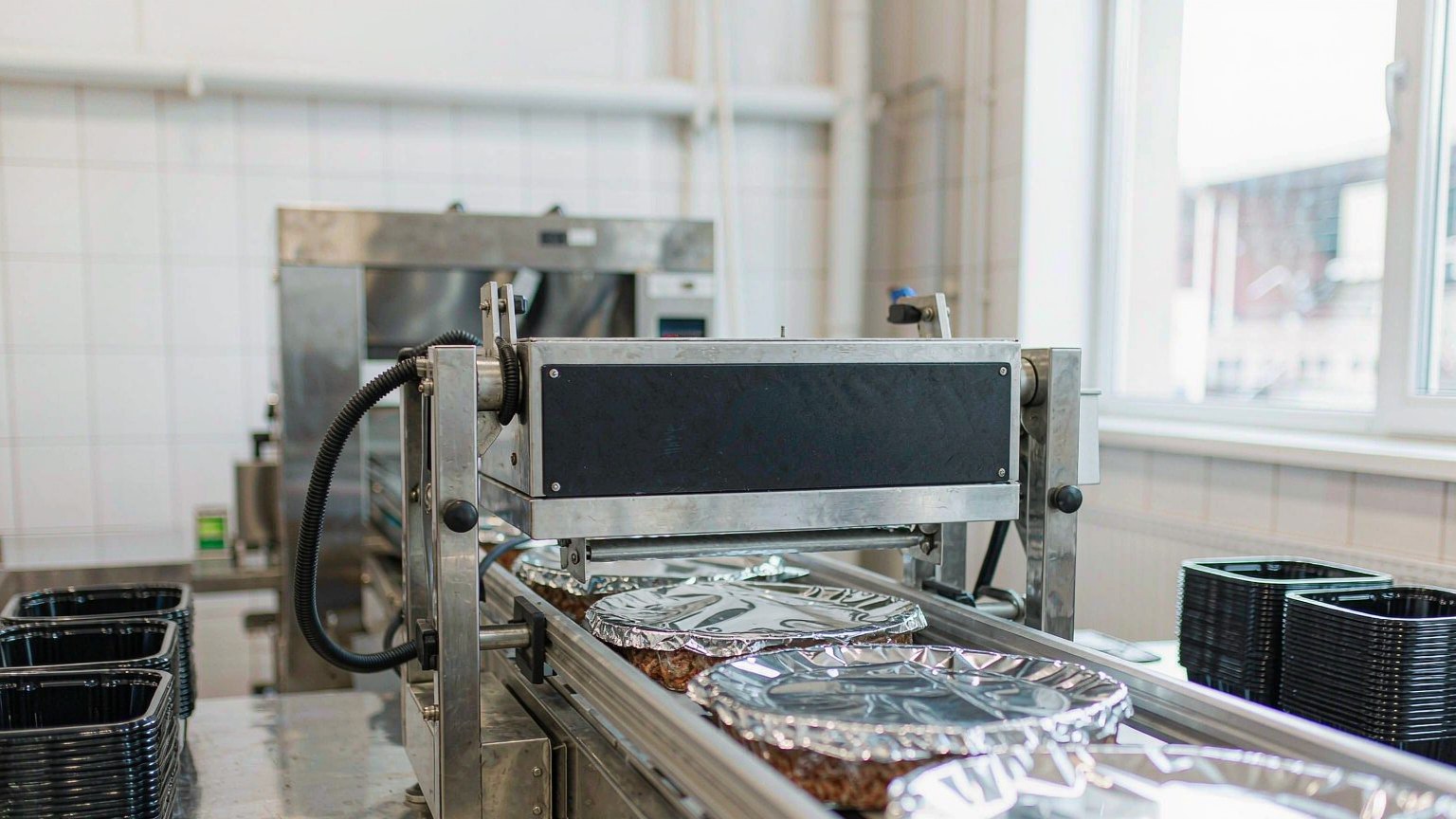
Solid car fragrance is a small product with an outsized packaging problem. The fragrance compound is volatile, which means the pack has to be sealed properly or the product is spent before it is sold; the containers come in an unusually wide range of shapes — cups, shallow boxes, bottles and jars; and the product sits on a retail peg or shelf, so the seal has to look clean as well as work. Foil lidding equipment configured for this category addresses all three.
What the machine does
The machine places a foil or laminate membrane over the container mouth and bonds it under controlled heat and pressure, producing a sealed pack. For a fragrance product the two functions that matter are barrier and appearance: the membrane must prevent the volatile compound escaping, and the seal must be even and wrinkle-free because the pack is part of the product’s presentation.
Tooling is what makes it flexible
The defining feature of a machine built for this category is interchangeable tooling. Because fragrance containers vary so much — a round cup, a rectangular box, a small bottle and a wider jar have nothing in common mechanically — a single set of tooling could never cover the range. A machine designed around changeable dies and container nests lets one unit run the whole product line, changing over in the time it takes to swap the tool. That is what makes a small producer able to offer a varied catalogue without buying a machine per format.
Multi-cavity operation
Throughput is usually achieved by sealing several containers in one cycle rather than by making the cycle faster. A four-cavity arrangement, for example, seals four cups per stroke, which multiplies output without raising the speed of each individual motion — a design that is both more productive and gentler on the tooling and the film.
Setting the seal parameters
Foil lidding is unforgiving of parameter error. Too little heat, pressure or dwell produces a seal that looks intact and fails in transit; too much causes the coating to flow and the seal to weaken or the container rim to distort. The parameters are set from the closure material, the container material and the film structure, and then verified — a simple peel test and a visual check of the seal impression across several cycles is enough to confirm the window is right before production starts. Because the products in this category are typically produced in relatively short runs across many variants, the parameters should be stored as recipes so that each format can be recalled rather than re-derived.
Need help specifying or upgrading a line?
Send us your product, format and target output per shift. We come back with a station sequence, the tooling list and an indicative price — no obligation.
