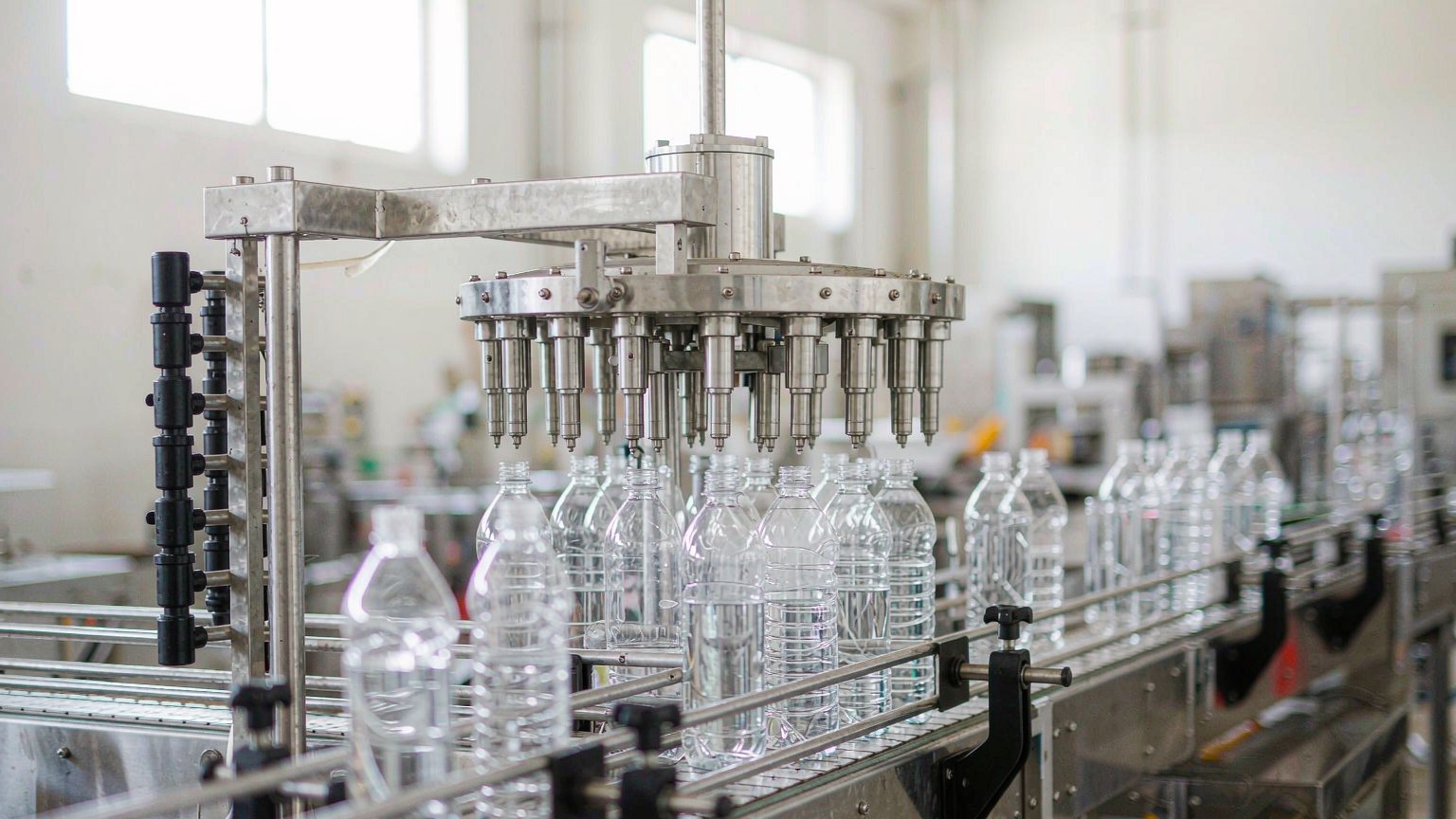
High-sugar, perishable product plus moving machinery. The pre-start checks, in-run monitoring and shutdown routine that keep a juice line safe and reliable.
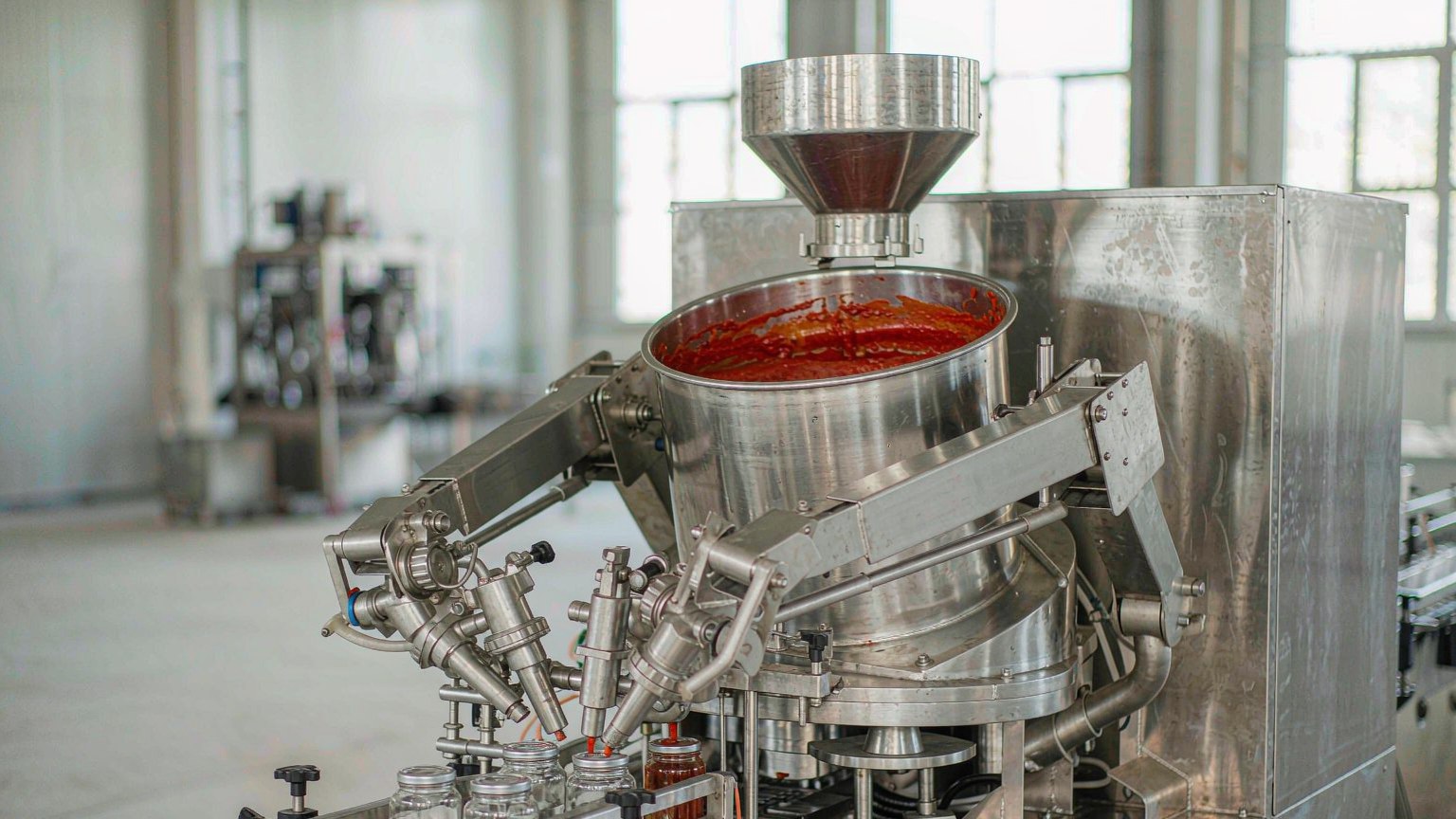
Sauces are viscous, often particulate and sometimes corrosive. These three properties set the operating rules for filling pumps, sealing parameters and daily cleaning.
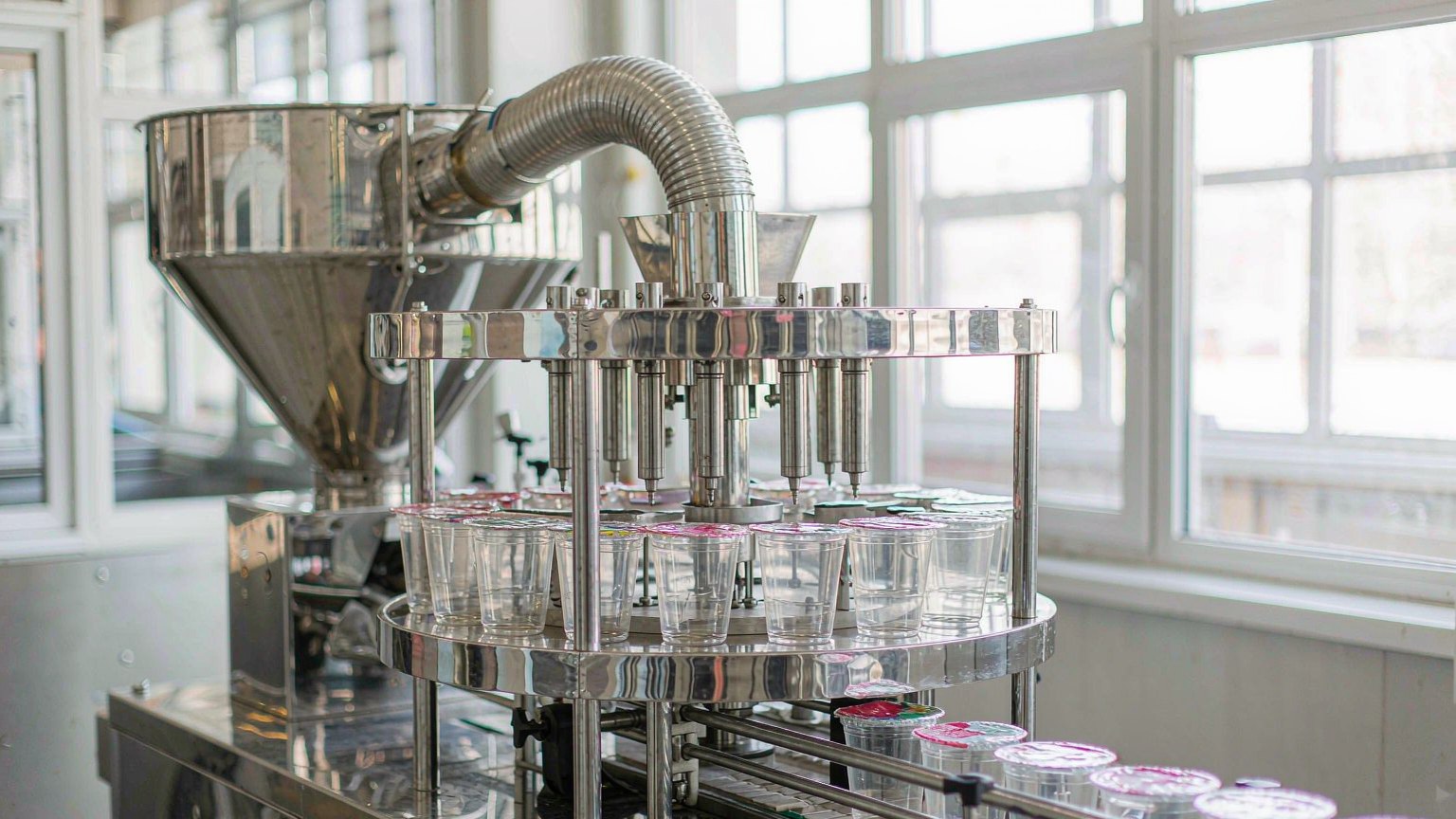
From yogurt cups to injectable vials, the filling and sealing station is where product safety is finally locked in. A tour of the technology and where it is going.
For sauces, honey, jams and dressings, a semi-automatic paste filler often beats both hand filling and a full automatic line. Here is why, and when to move up.
Roasted coffee loses aroma to oxygen and cakes with moisture. Here is how to measure whether a capsule cup body is actually protecting what is inside it.
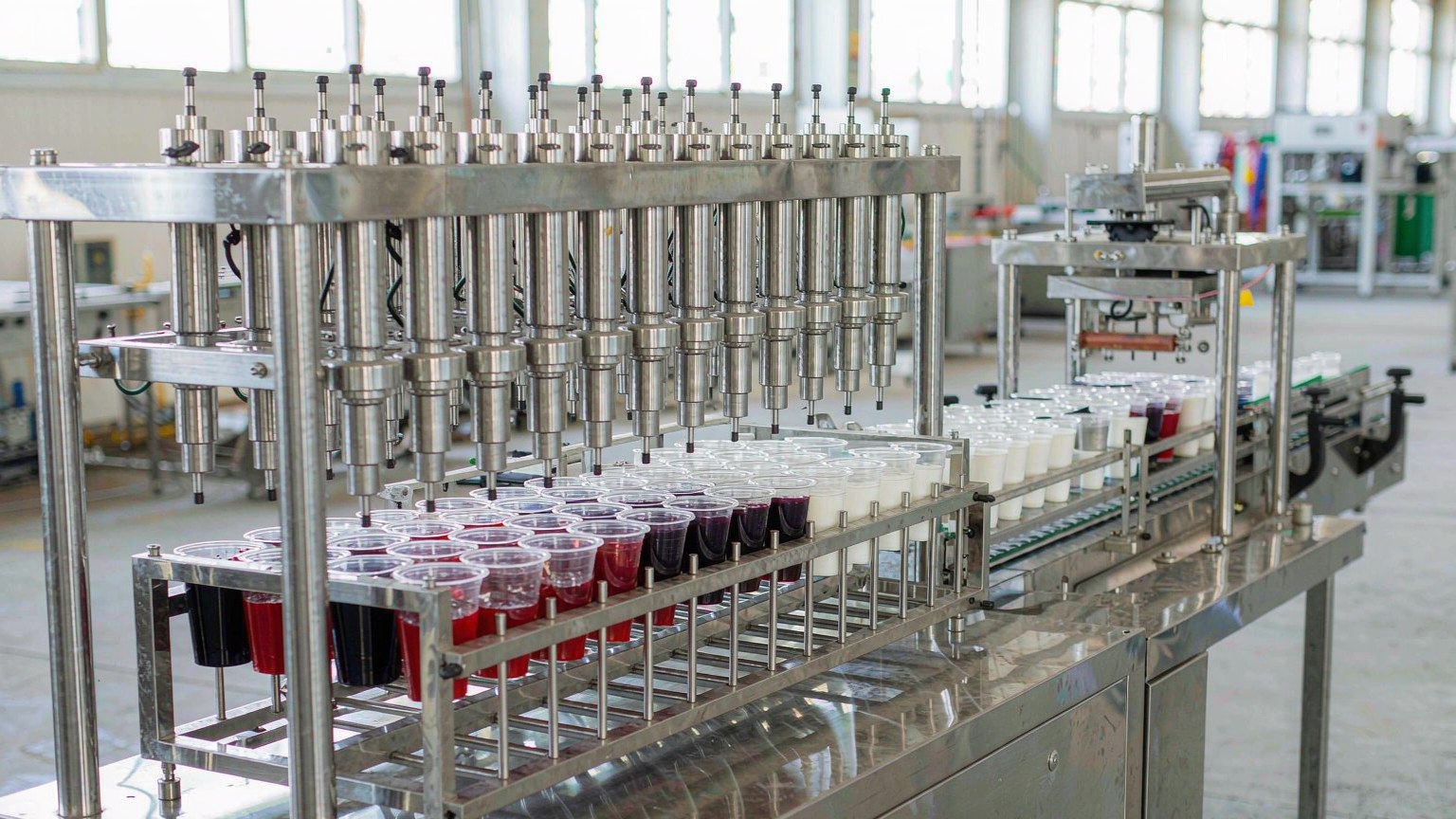
Yogurt pots, jelly cups and ready desserts depend on a machine few people see. Where the technology is heading — intelligence, flexibility and hygiene.