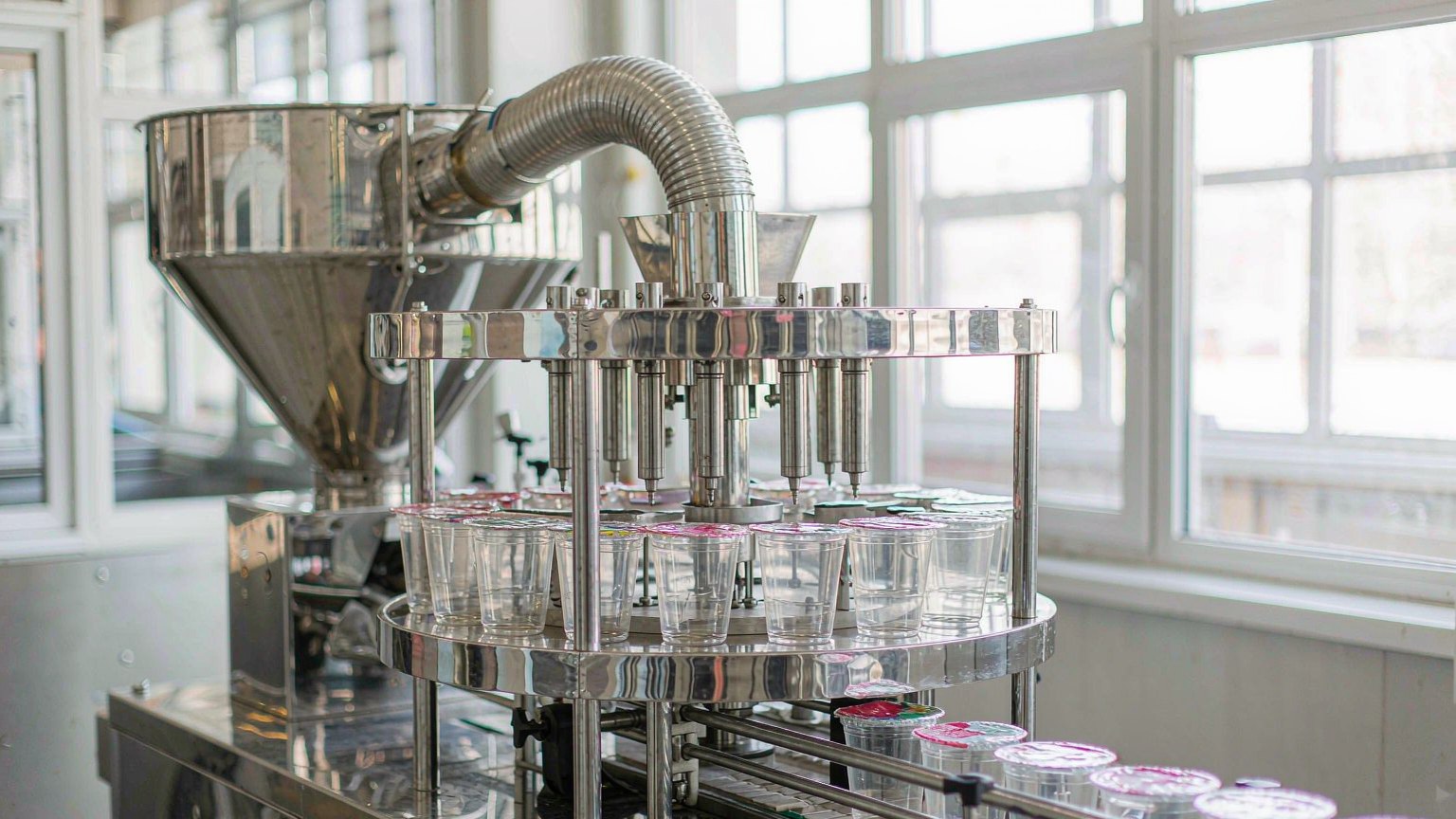
Wet pet food, pastes and nutritional gels in cups and trays: how sealer technology enabled premium and functional pet nutrition at scale.
Set and stirred yogurt behave differently, and fruit pieces break under shear. How a yogurt filler doses accurately without damaging the product.
Two machines can look alike on a specification sheet and differ threefold in price. Here is where the money really goes, and how to compare quotes fairly.
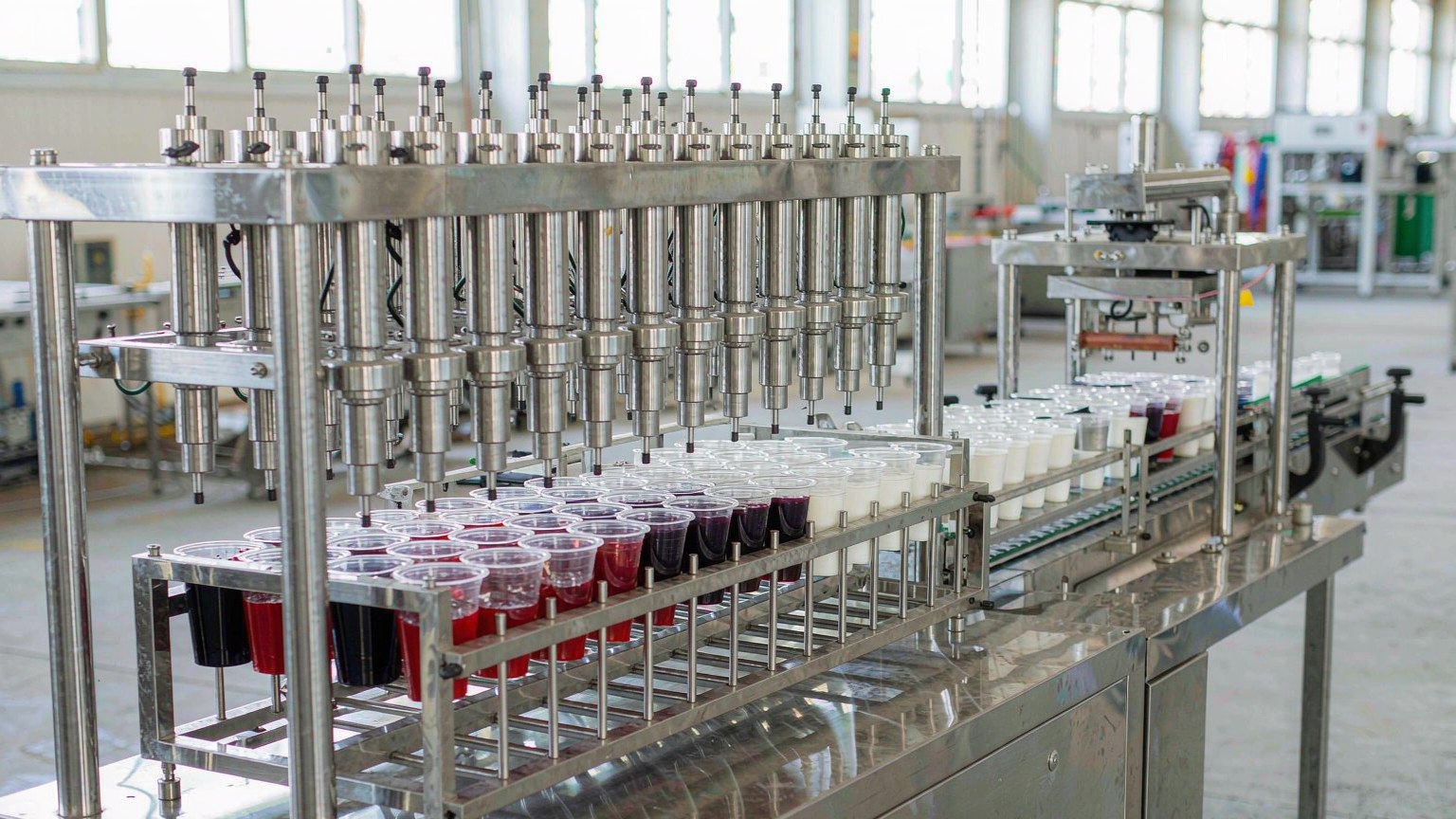
A 12,000-cup-per-hour linear cup filler for juice, jam and liquid dairy — capacity, accuracy, utility requirements and the product range it covers.
How weighing, conveying, forming and sealing work together to hold a declared quantity — and what to check before buying one.
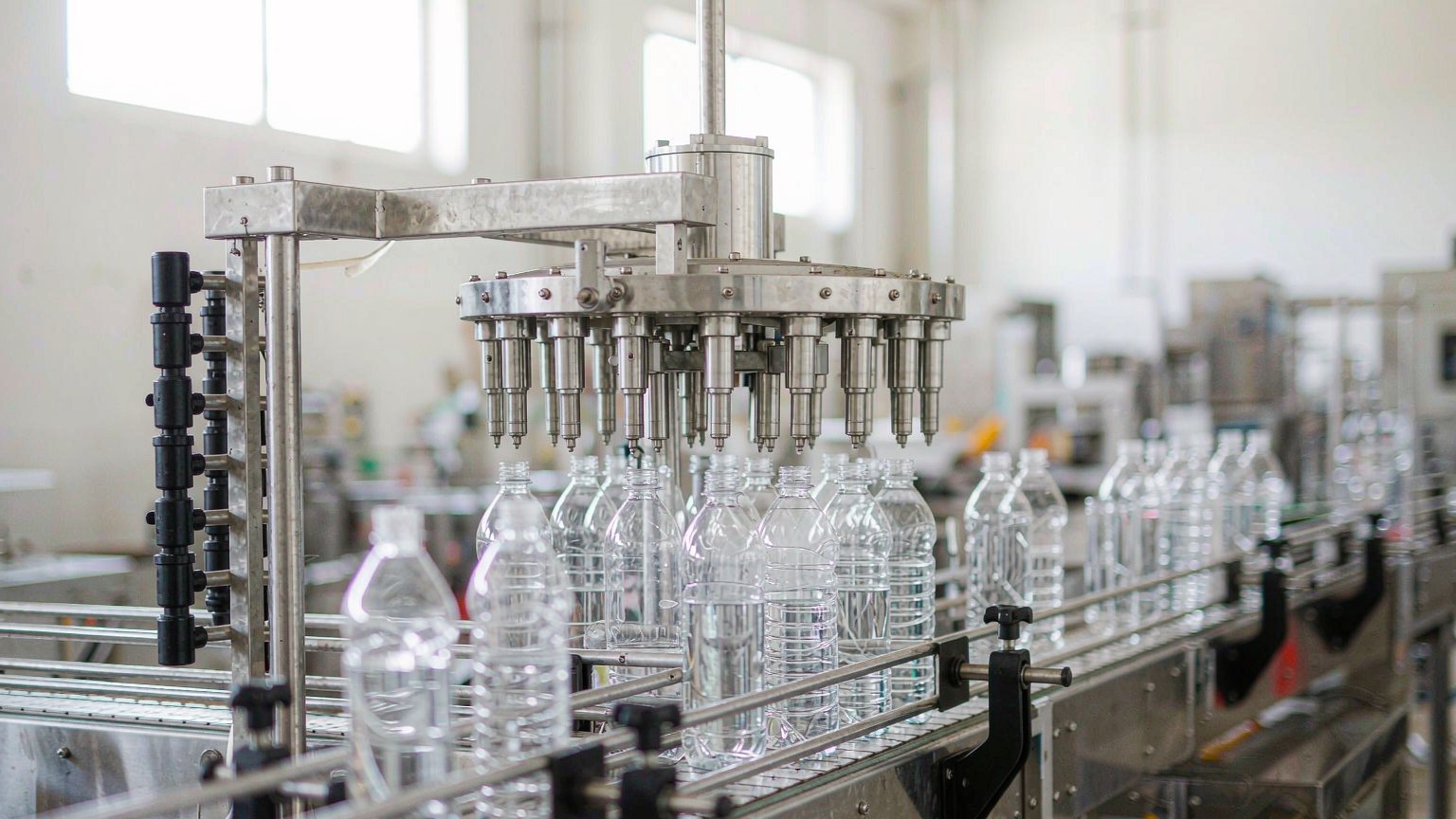
A walk through what a modern beverage filler-sealer actually does — filling principles, nitrogen dosing, closure torque, aseptic control and vision inspection.
Automation, precision, format flexibility, hygiene and reliability — the five performance arguments for an automatic filler, and how to choose between them.
One thin-liquid filling platform, many products — washer fluid, sanitiser, detergent and chemical reagents all run on the same principle. Here is how the machine works and where it...

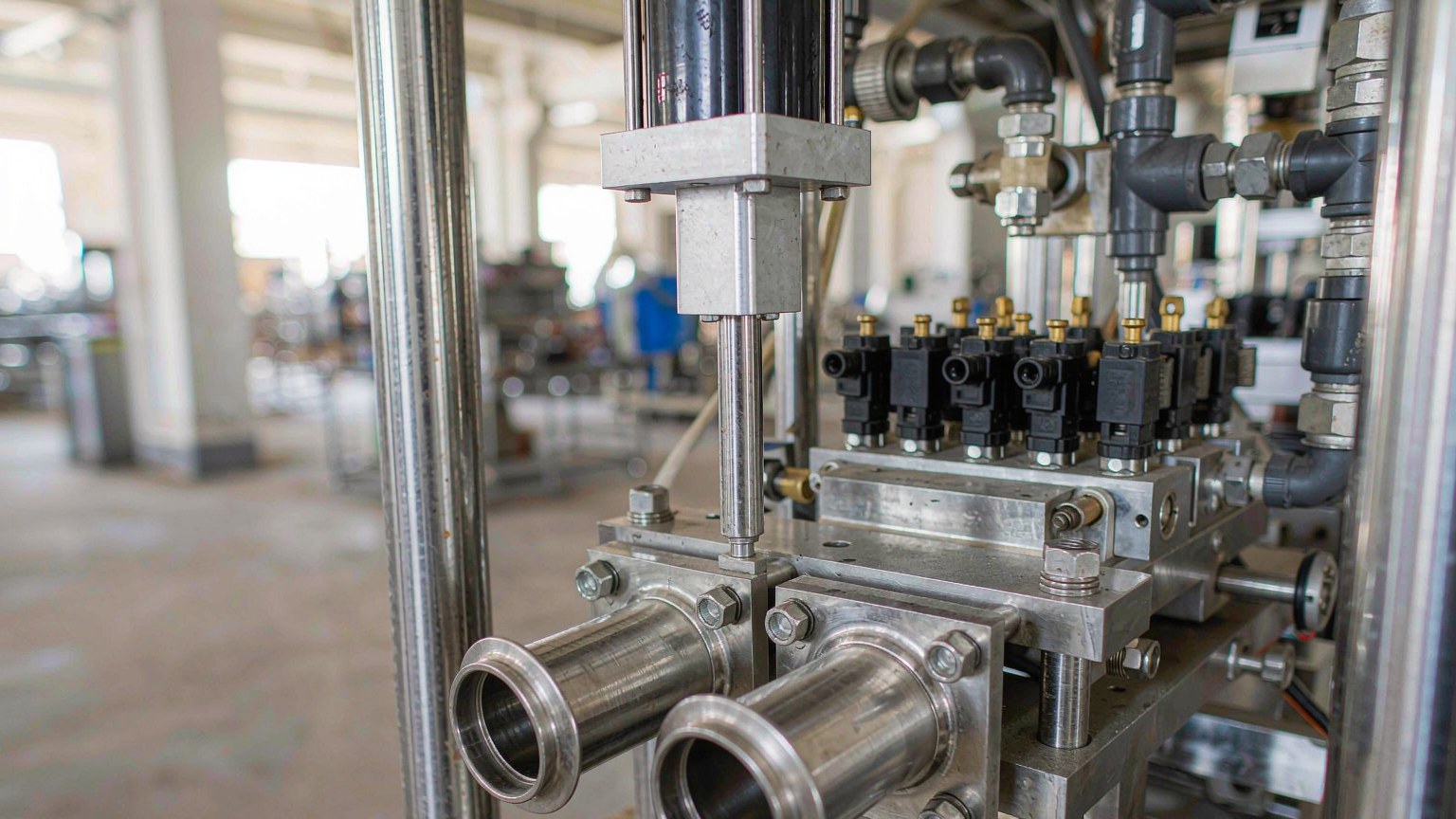
The anatomy of a metered liquid filler, the dosing methods available, and how to tell a machine that holds tolerance from one that only claims to.
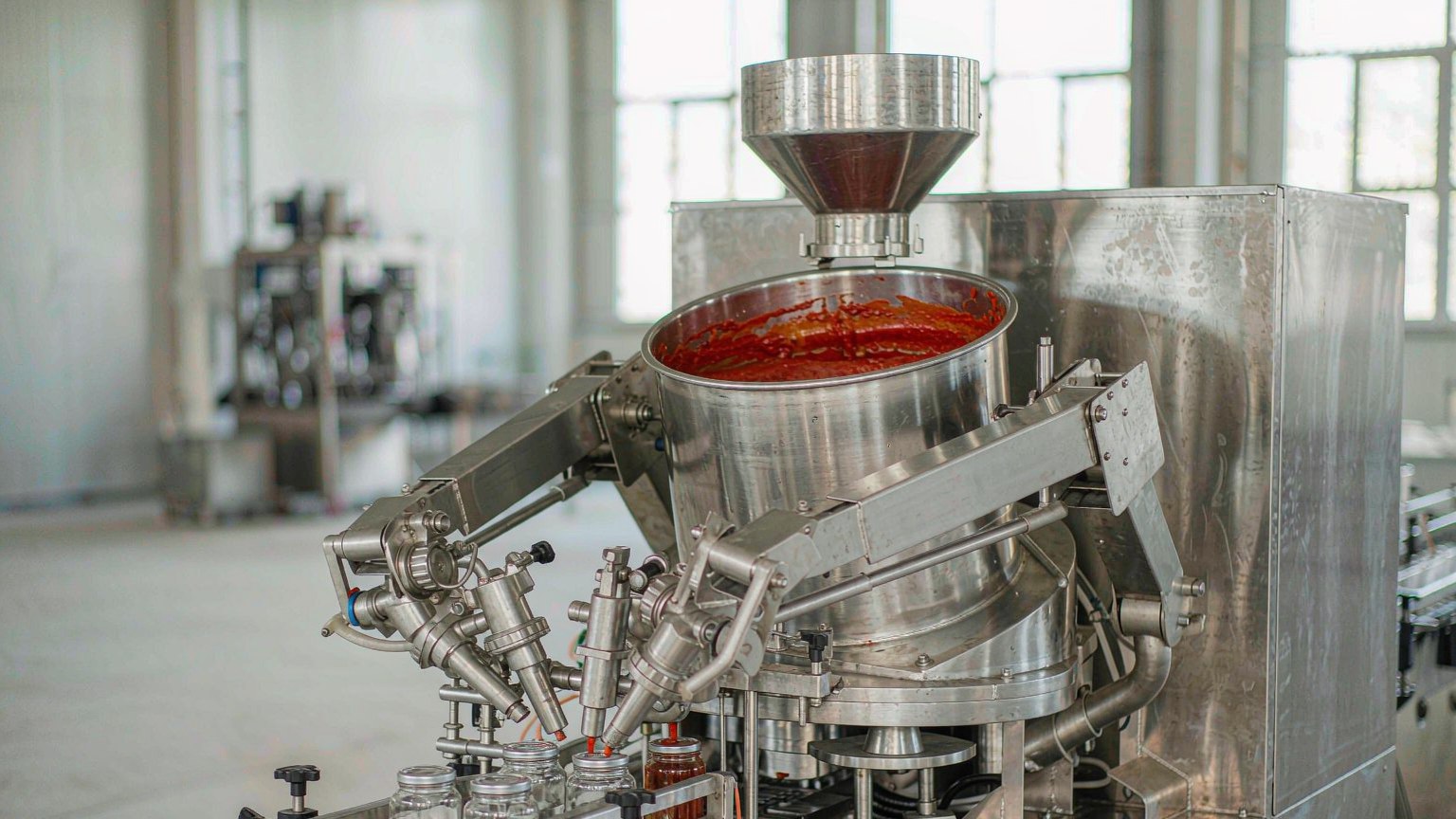
Pastes fight back — they are viscous, they string, they resist flow. How automatic filling resolves the efficiency-versus-precision trade-off.
Automatic cup denesting, dosing, sealing and discharge for boxed and cupped sauces — and why the format beats a bottle for this product family.
Ice making, dosing and sealing combined in one modular machine — plus ultrasonic sealing, sensor monitoring and inline coding.