A conveyor metal detector only holds its sensitivity if it is checked every shift. Here is the daily, weekly and long-term routine — what to look at, what to...
Speed, precision, hygiene, container compatibility and maintainability — the five properties that make a filler a functional part of a line.
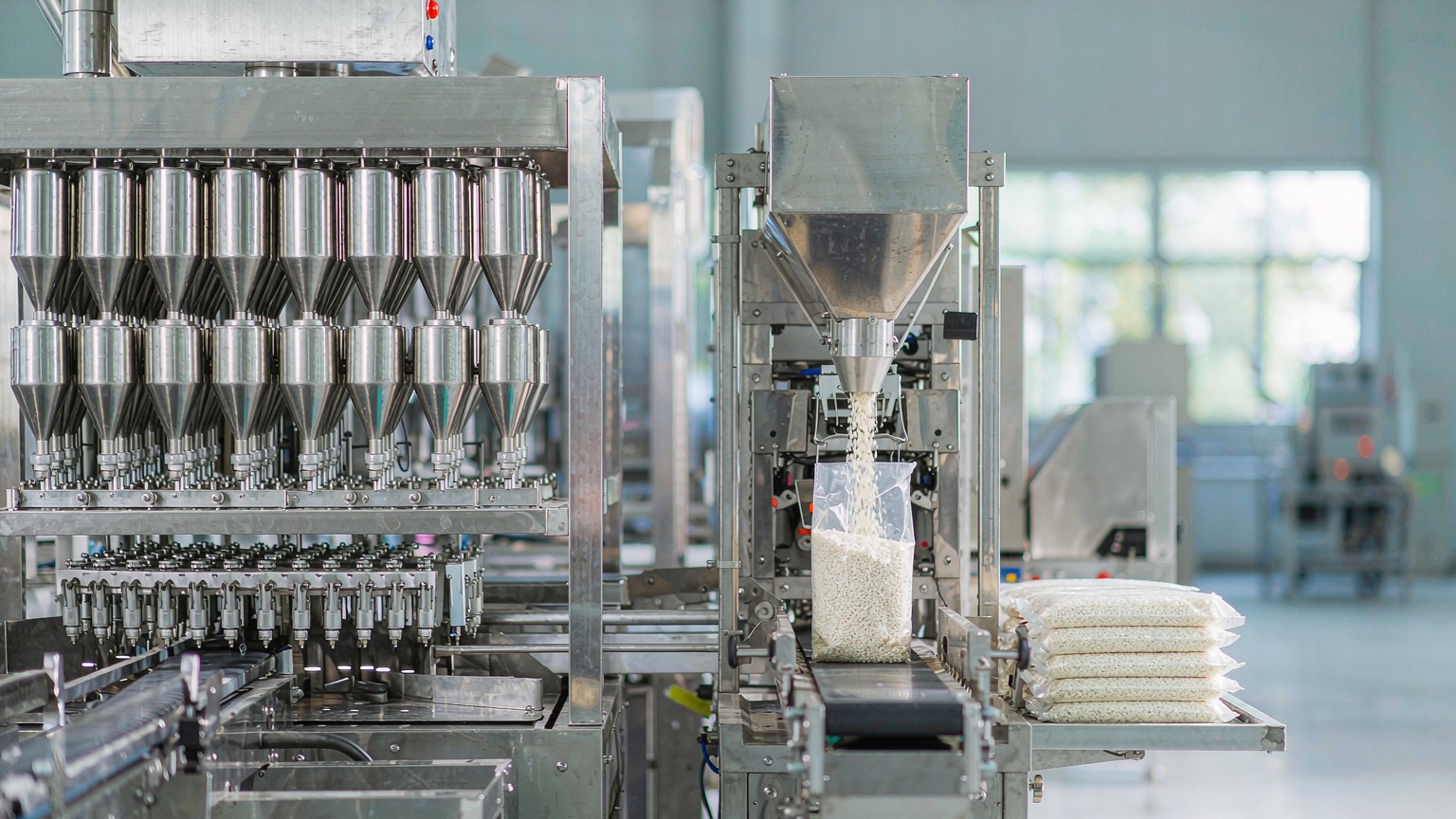
Rice packing moved from hand-weighed sacks to multihead weighing and PLC recipes. The technical steps that made it happen, and what comes next.
Practical guidance for sealing and filling line buyers.
Between manual and fully automatic sits a machine that suits a large share of real production. Where it fits, and where it is heading.
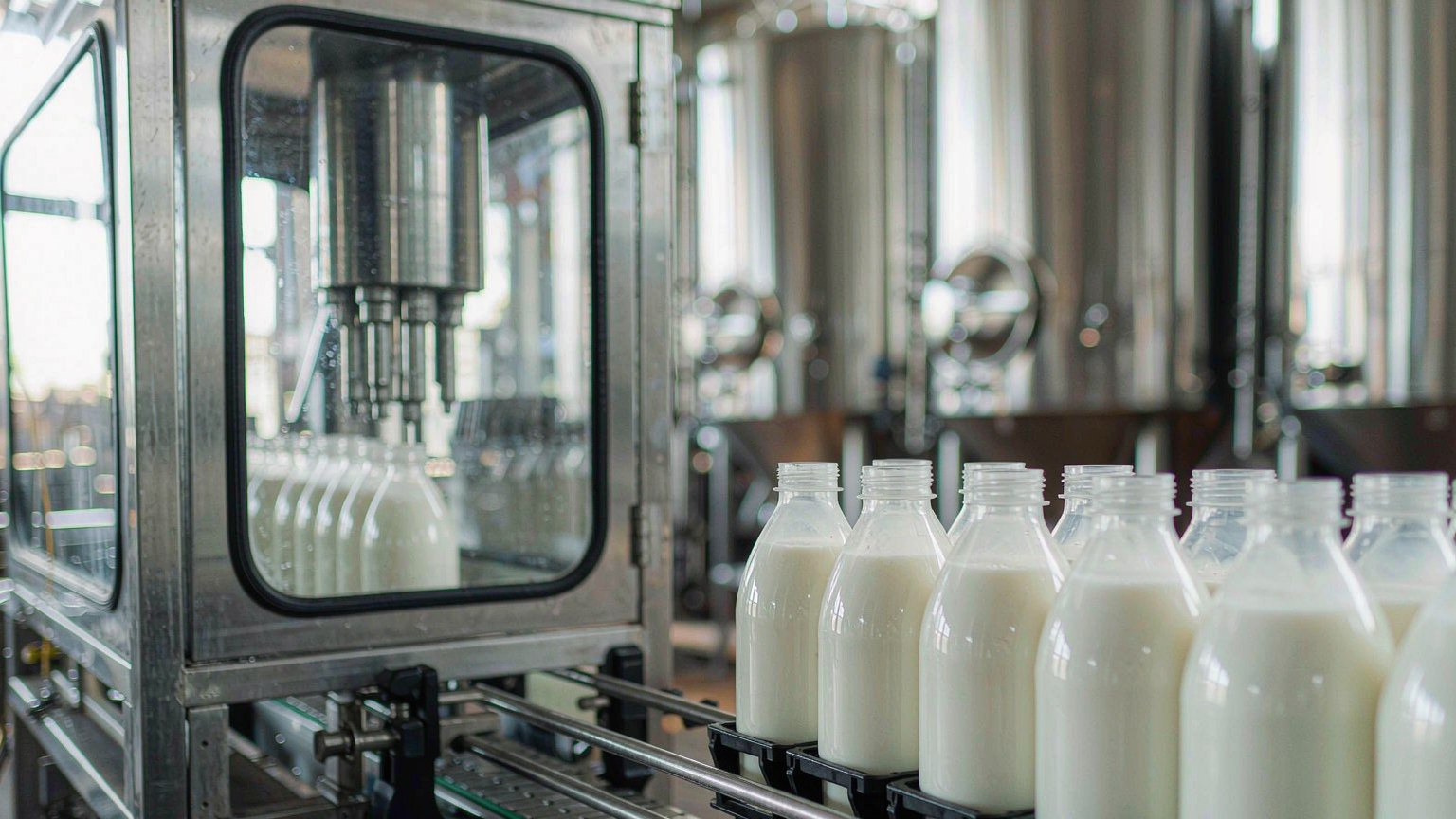
Why dairy filling is a different problem from beverage filling — accurate dosing, the two dominant closure routes, and the aseptic system that makes ambient milk possible.
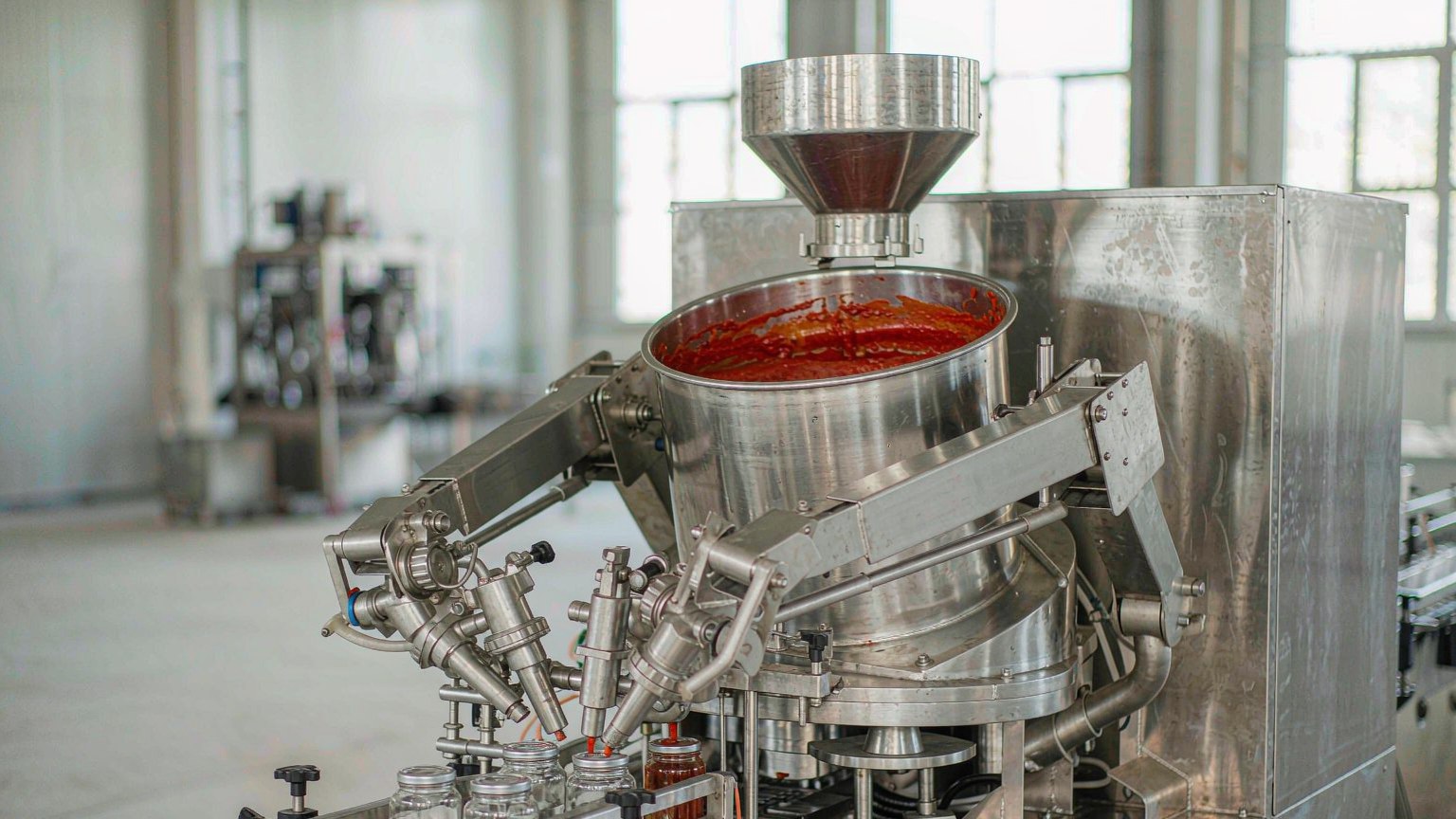
Sauces are viscous, they carry particulates and they settle. The settings and cleaning routine that keep fill weights and seals honest.
Soft solids in brine, in glass jars, with a two-year shelf life. The filling and sealing techniques that make industrial sufu production work.
Tomato paste is homogeneous, viscous and prone to stringing and dripping. The filling technology that turned a fragmented trade into a standardised industry.
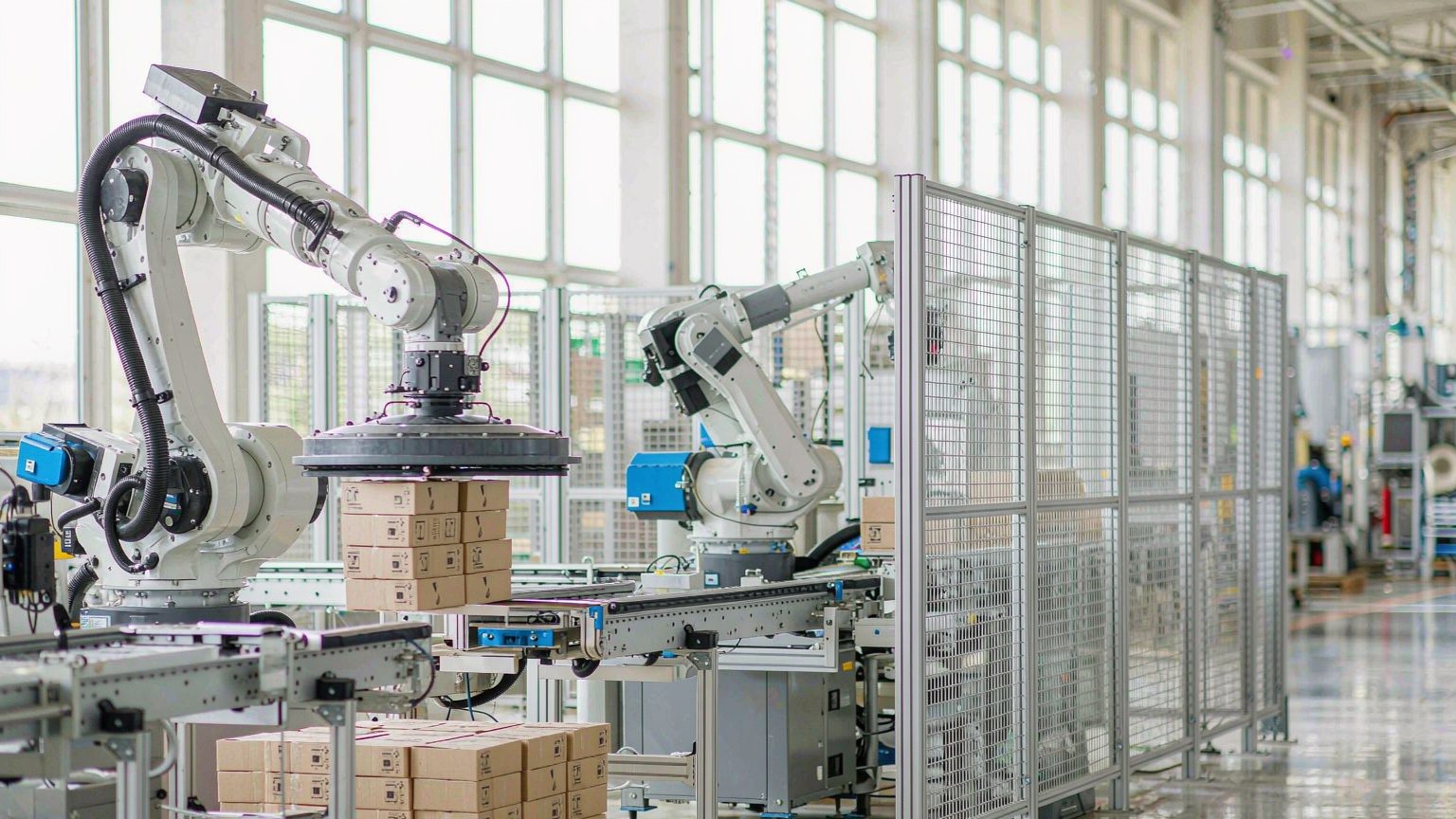
Fold, seal and convey without an operator. Carton sealers across food, pharmaceutical, electronics and hardware distribution.
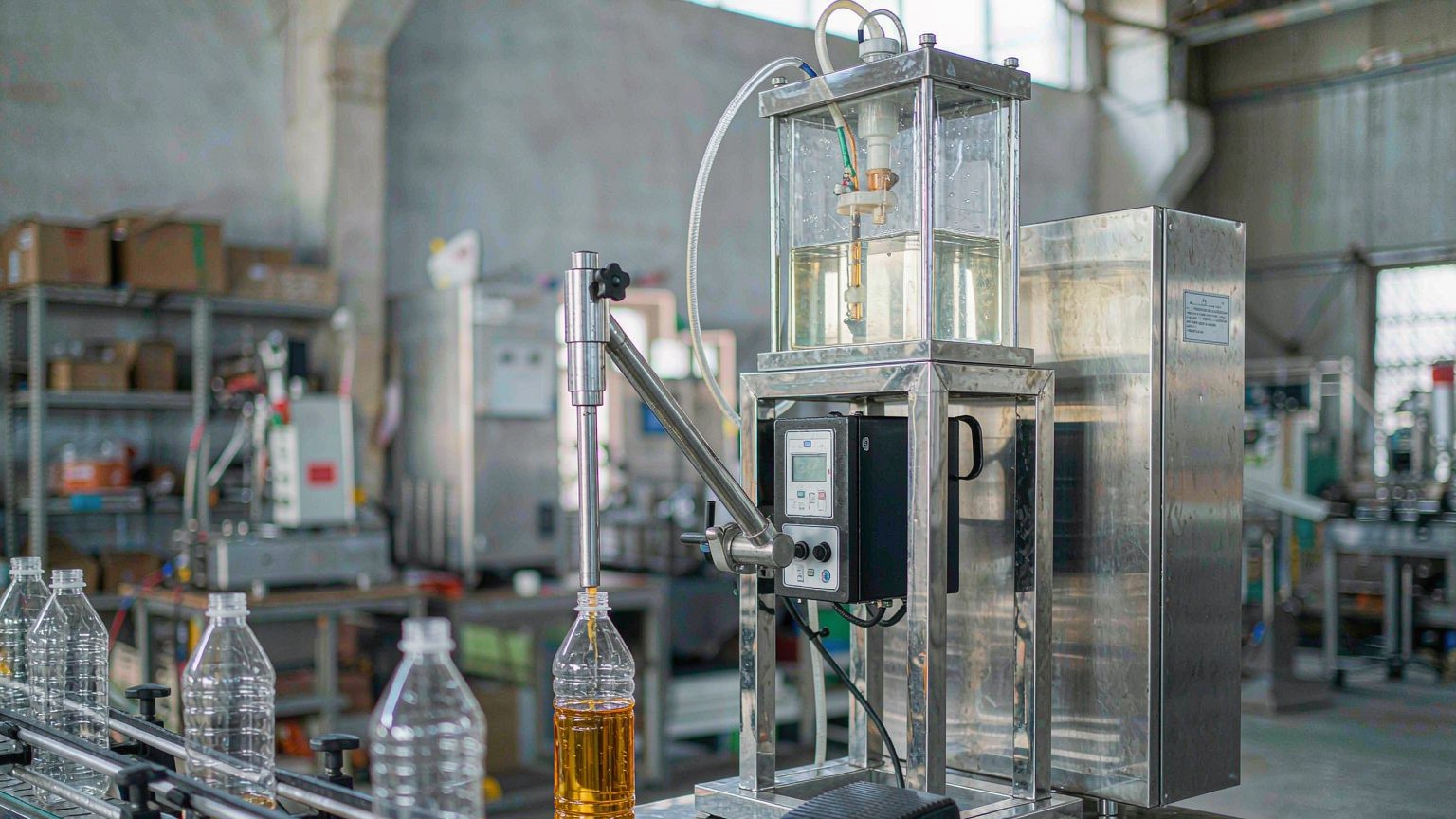
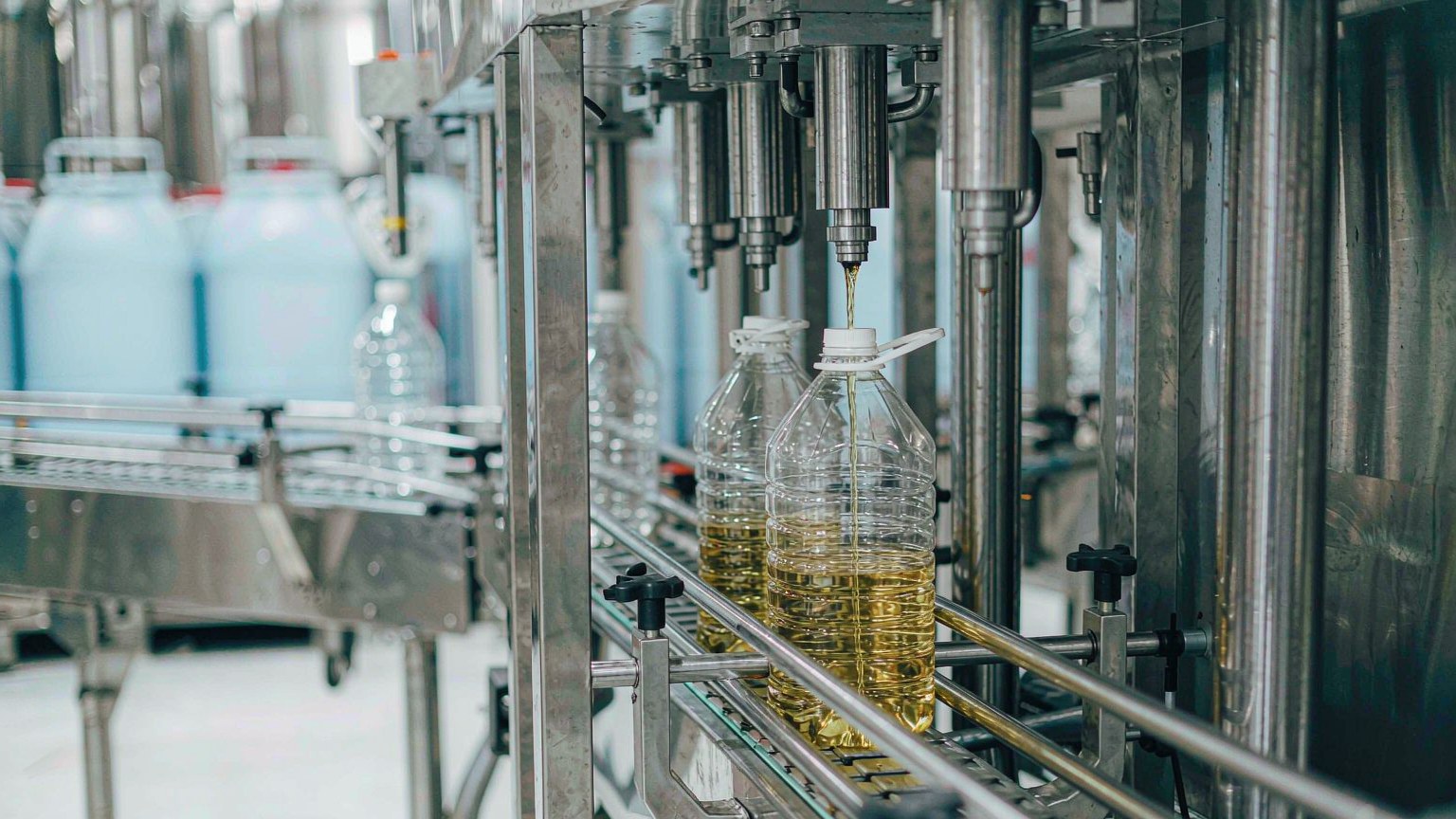
Cooking oil is a net-content-regulated product packed at volume. How automatic oil fillers hold tolerance across bottle sizes, from 500 ml to bulk drums.

Feeding, metering, filling, container location and control — the structure of a granule packing machine, and the case for automating.