

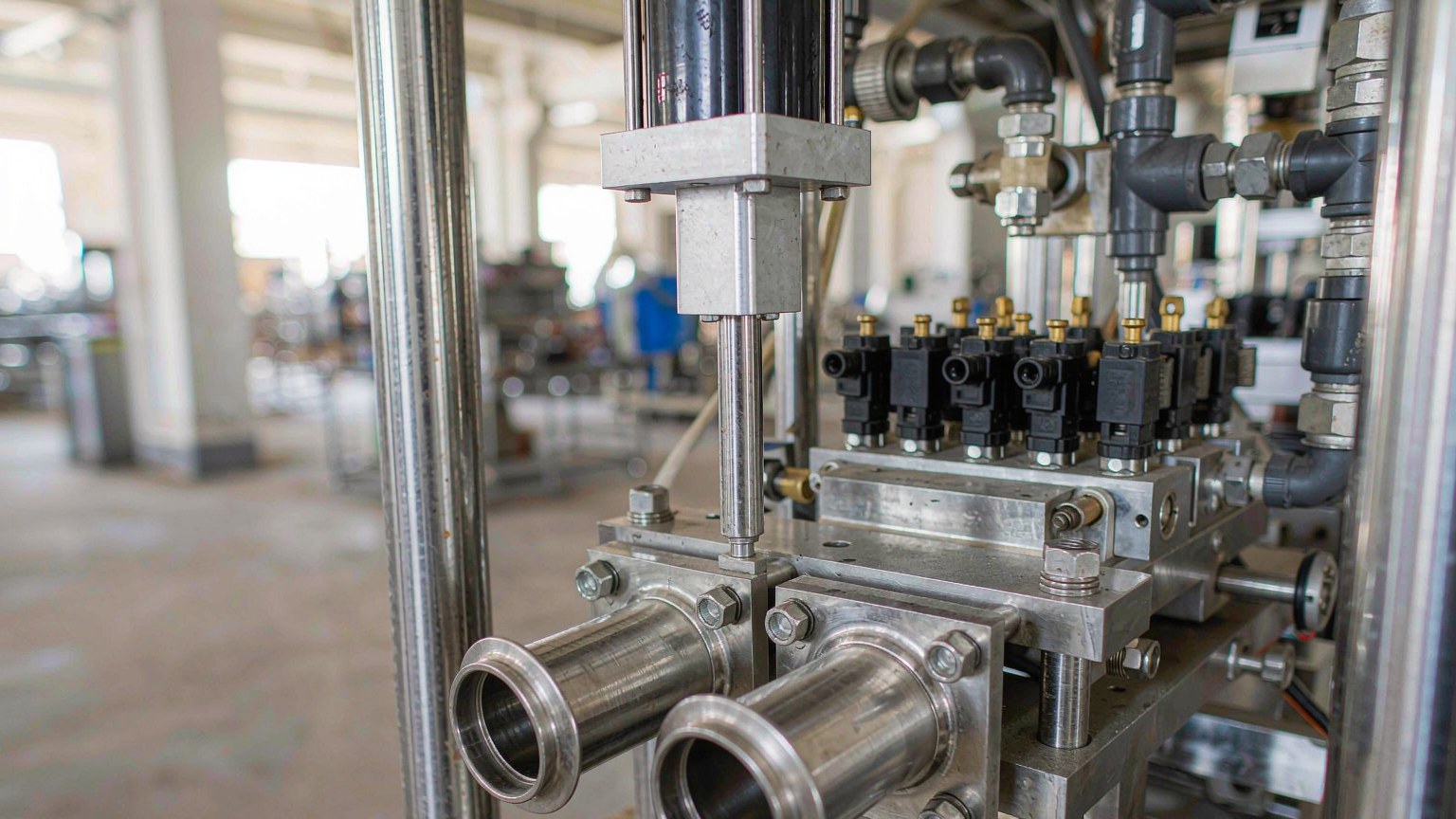
Automatic packaging machine prices range from a few thousand to several hundred thousand dollars for equipment that performs nominally the same function. The gap is rarely arbitrary. Once you understand where the cost sits, a quote stops being a number and becomes a list of engineering decisions you can interrogate.
The six cost drivers
Configuration and function come first: servo axes, precision metering, integrated sealing and case packing all add cost and capability. Packaging-material adaptability comes second — a machine built for one pouch format is simpler and cheaper than one that must handle bottles, cans and pouches. Speed is third, and it is not linear: doubling throughput typically more than doubles cost because every component moves up a class. Automation level, brand and support network, and industry-specific hygiene requirements complete the list.
Material and finish
Food and pharmaceutical lines generally require stainless steel construction, which costs more in material and considerably more in fabrication — welding, polishing and passivation are skilled work. Machines built in painted mild steel or aluminium are cheaper to buy and far more expensive to keep compliant in a washdown area.
Custom versus standard
A custom machine carries design, prototyping, tooling and commissioning on its invoice. A standard machine spreads those costs over a production run. If your product genuinely fits a standard platform, taking it is the single largest saving available — the discipline is being honest about whether your format is really unusual or merely unfamiliar to the sales engineer.
Controls and intelligence
PLC control with an HMI, recipe storage and remote diagnostics add cost but also change what the machine is worth in operation. Recipe management turns a two-hour changeover into a few taps. Remote diagnostics can remove a day of downtime per incident. The premium is worth paying when the machine runs many products or sits in a remote plant; it is harder to justify on a single-product line with an engineer on site.
Service, warranty and spares
Two identical machines with different support terms are not the same purchase. A long warranty, local spares stock and a published response time are real costs to the supplier and real value to you. When support is thin, the saving is usually recovered by the buyer as downtime.
How to compare quotes properly
Line up the offers against the same throughput, the same product, the same container range and the same acceptance test, then compare what is excluded. Ask each supplier to quote the changeover time and the guaranteed accuracy in writing. Normalised this way, the cheapest quote is frequently not the cheapest machine.
Need help specifying or upgrading a line?
Send us your product, format and target output per shift. We come back with a station sequence, the tooling list and an indicative price — no obligation.
