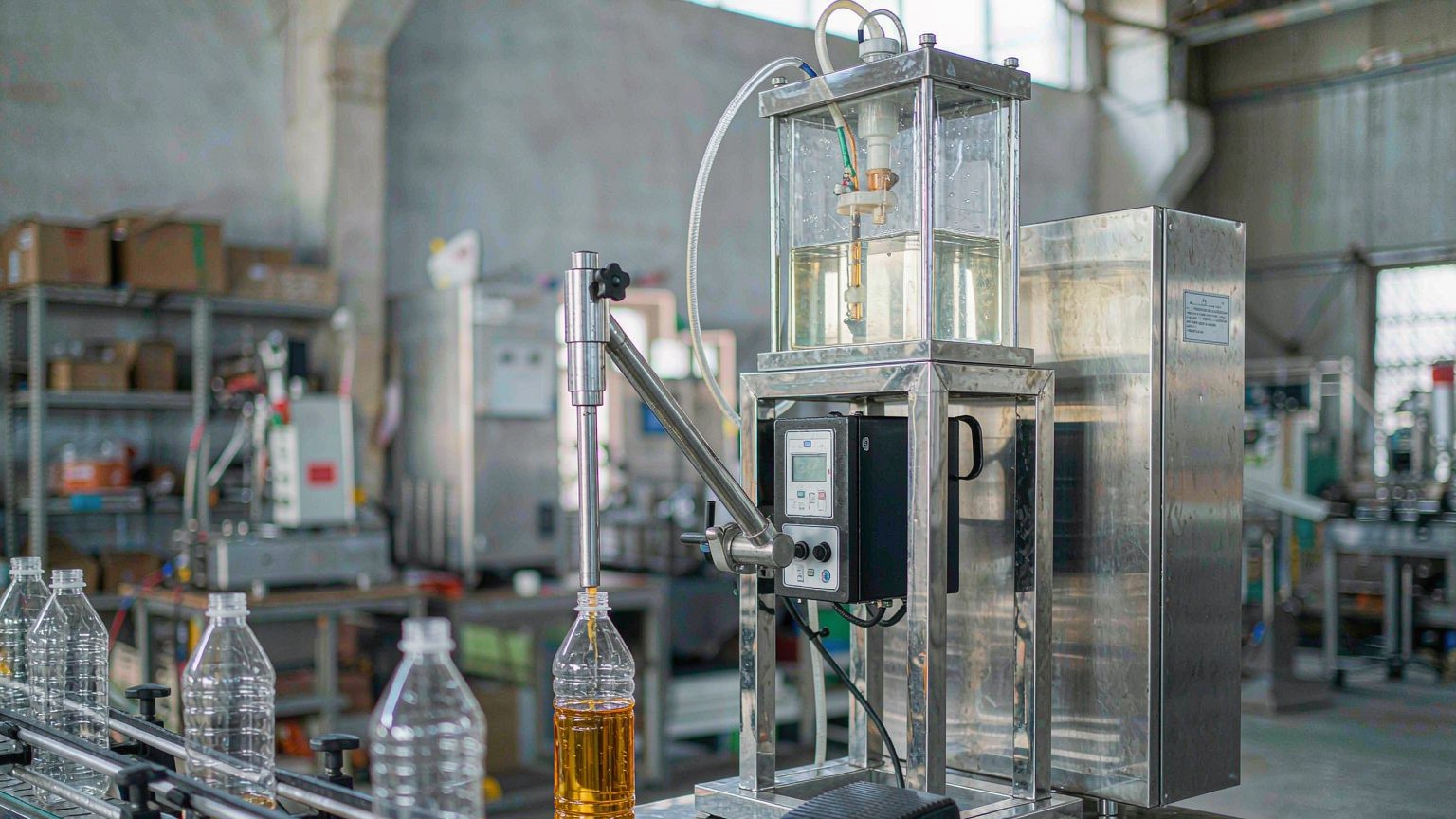
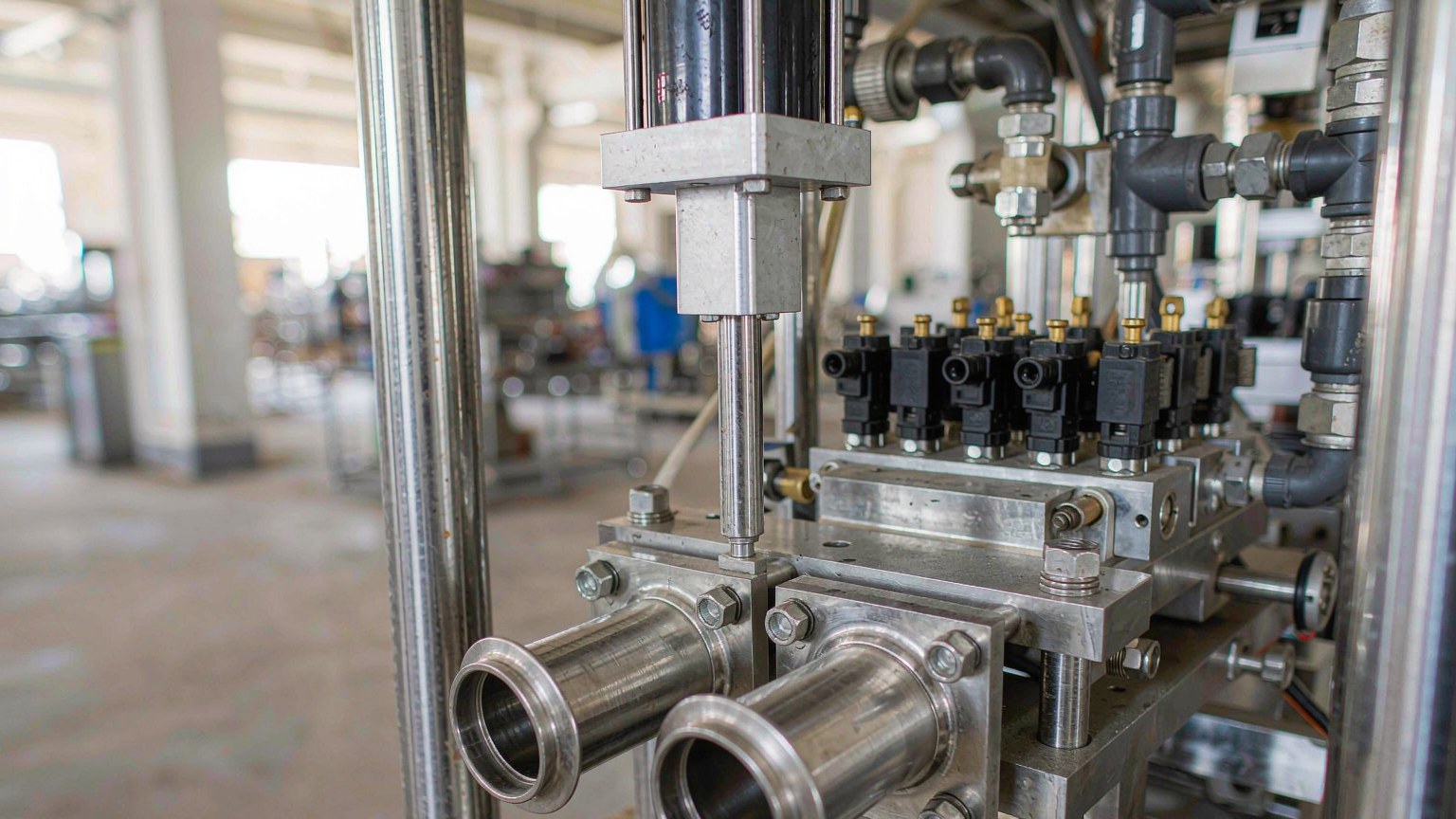
Poor sealing, unresponsive switches, inaccurate fills, slow cylinders, dripping nozzles — a practical diagnostic order.
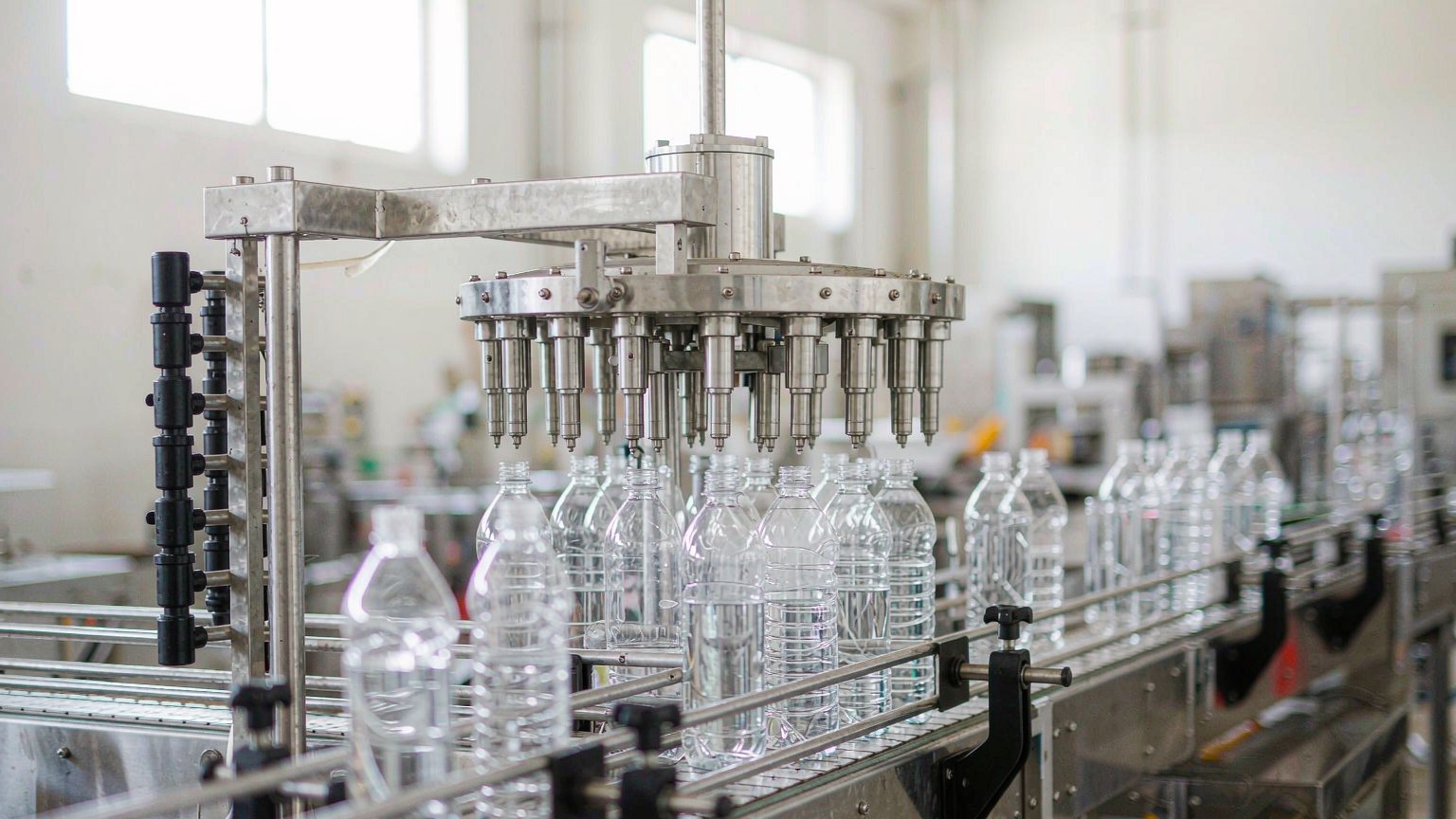
Equipment choice, speed and pressure control, high-precision filling heads, closed-loop control and inline inspection — five levers on accuracy.
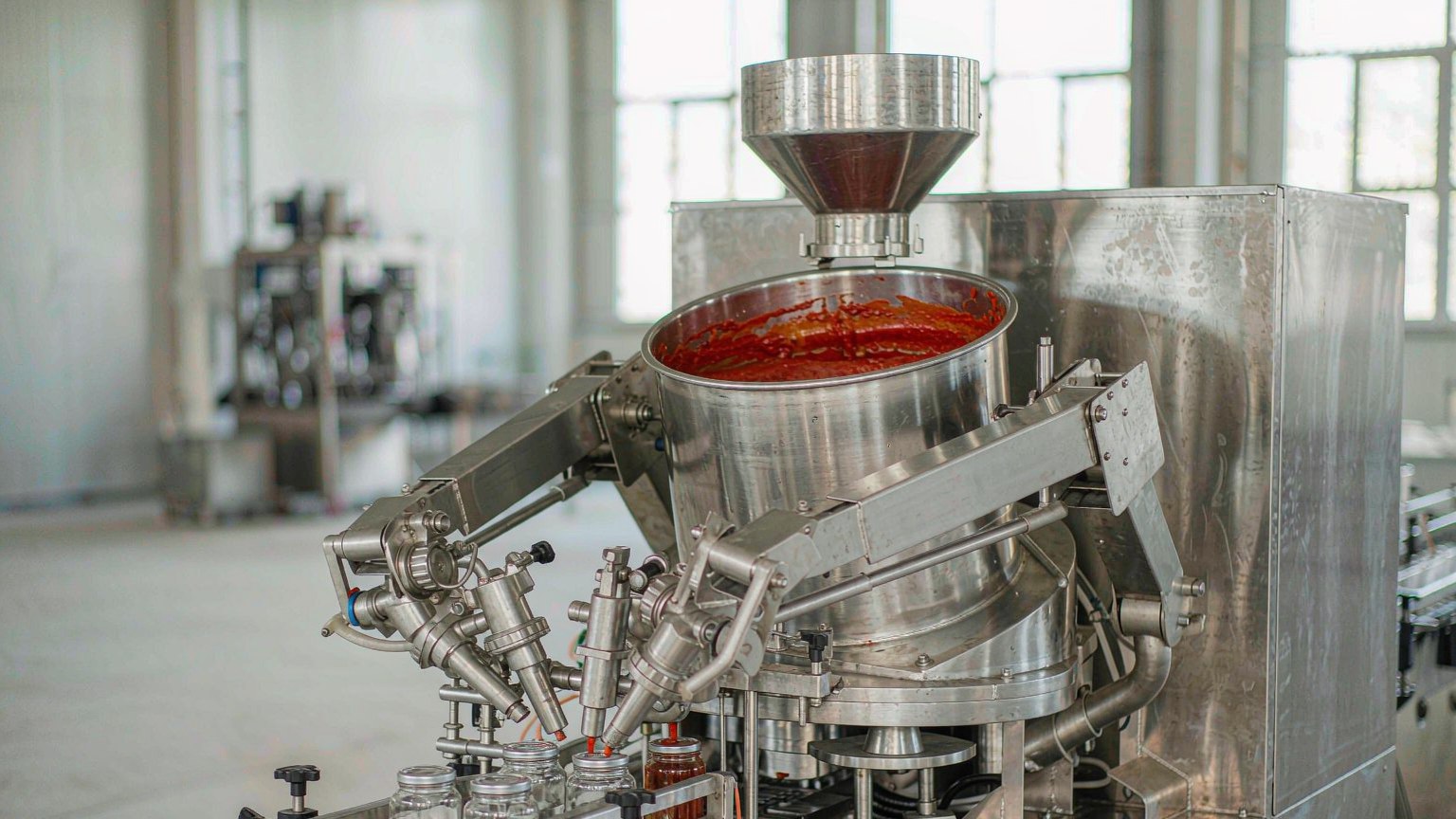
Salt, oil, acid and particulate each constrain the filling and sealing method. Matching the machine to the recipe is what keeps aroma and shelf life intact.
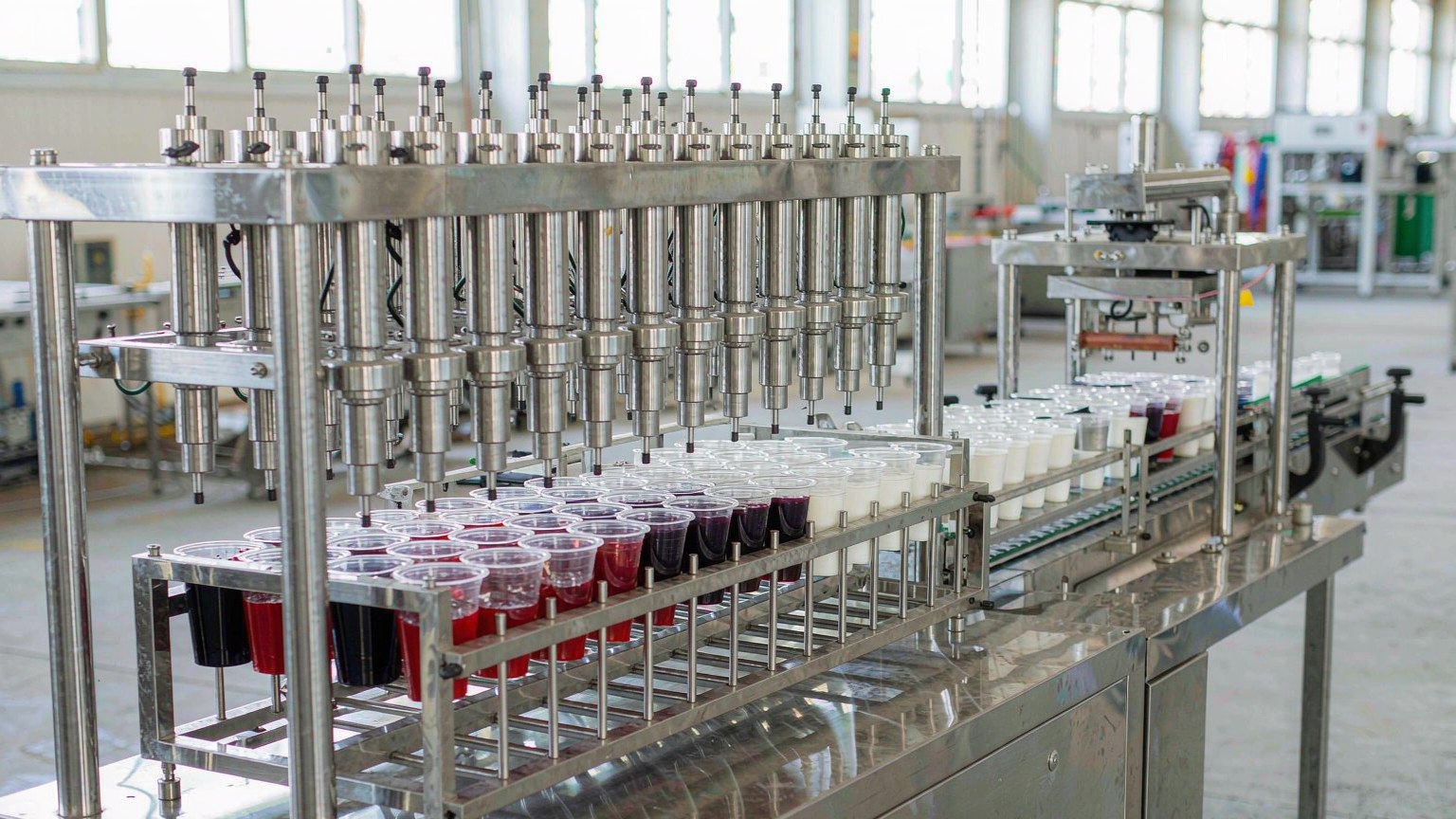
Filling is one station in a chain. Here is what each module of an automatic filling line does, and which materials and industries each configuration serves.
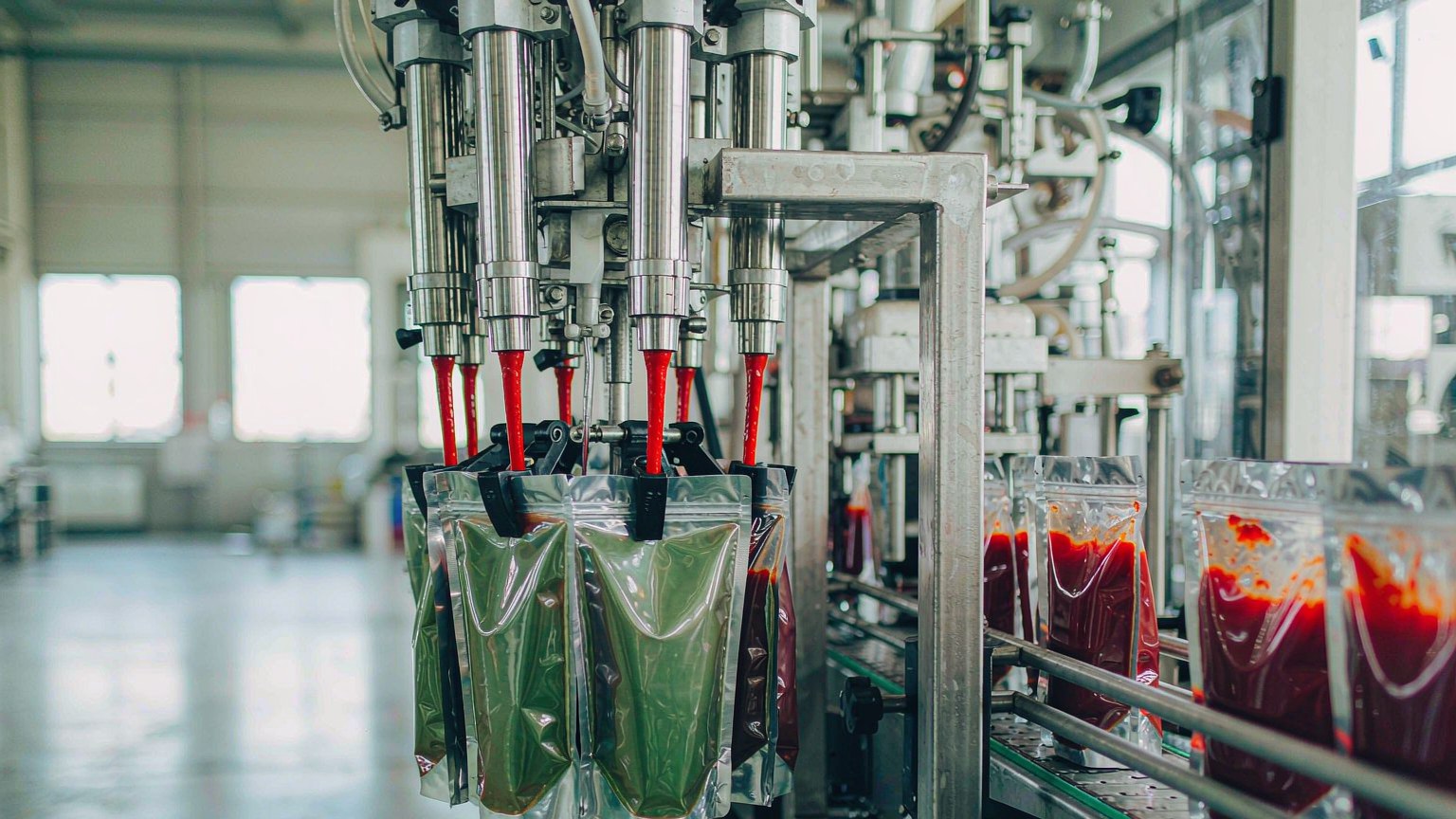
Pick-up, open, fill, seal, cut — the pre-made pouch route to liquid packaging, the industries it serves, and how to select one.
From scale and safety to product innovation and supply-chain standards — four ways filling and sealing technology changed what the food industry can do.
Sealing ice requires a machine that works near freezing, allows for expansion when water freezes, and still washes down to food-safety standards.
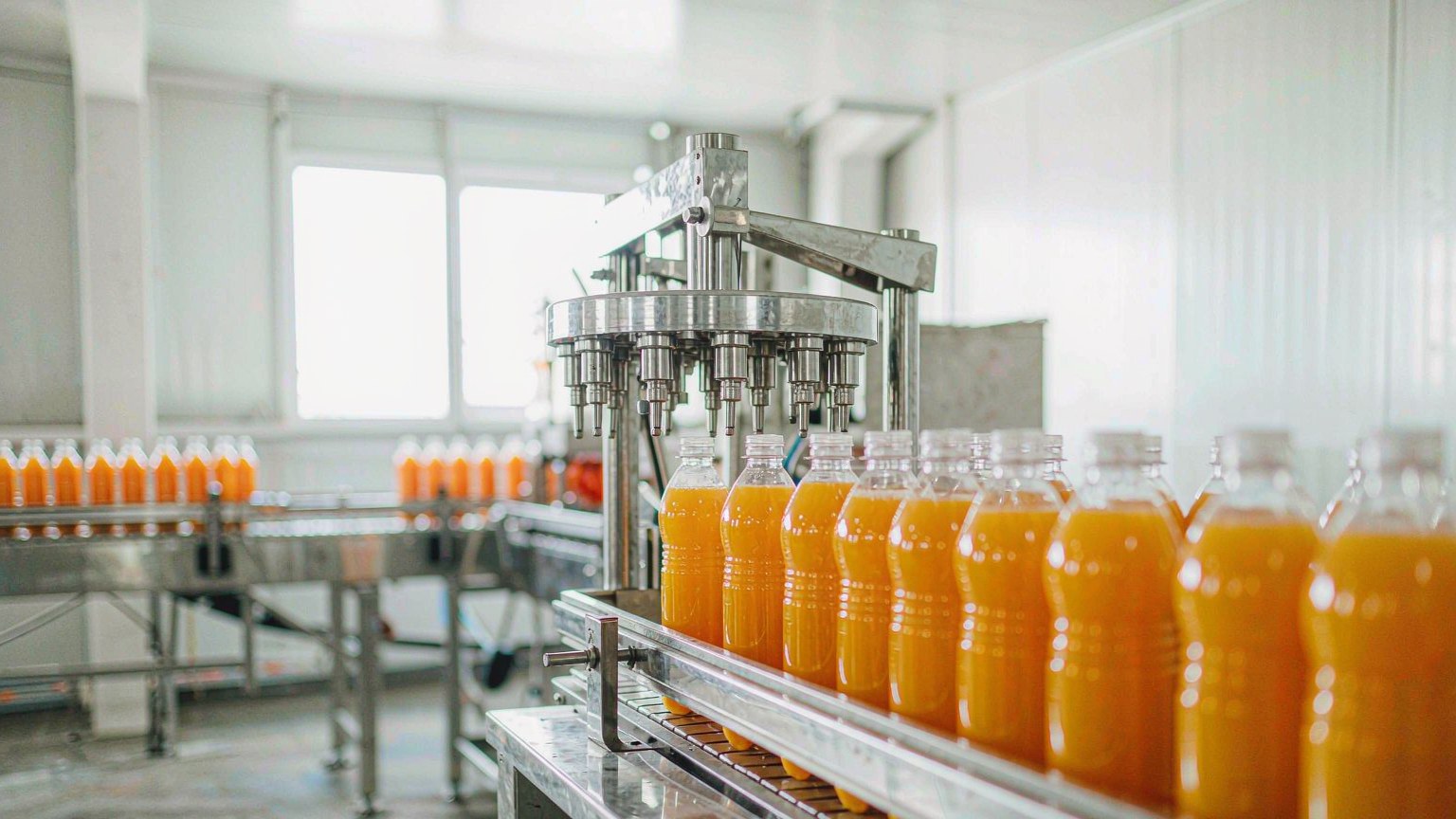
Line checks before start-up, gradual acceleration, sealing temperature control, trained operators and scheduled part replacement — the operating routine behind a safe beverage pack.
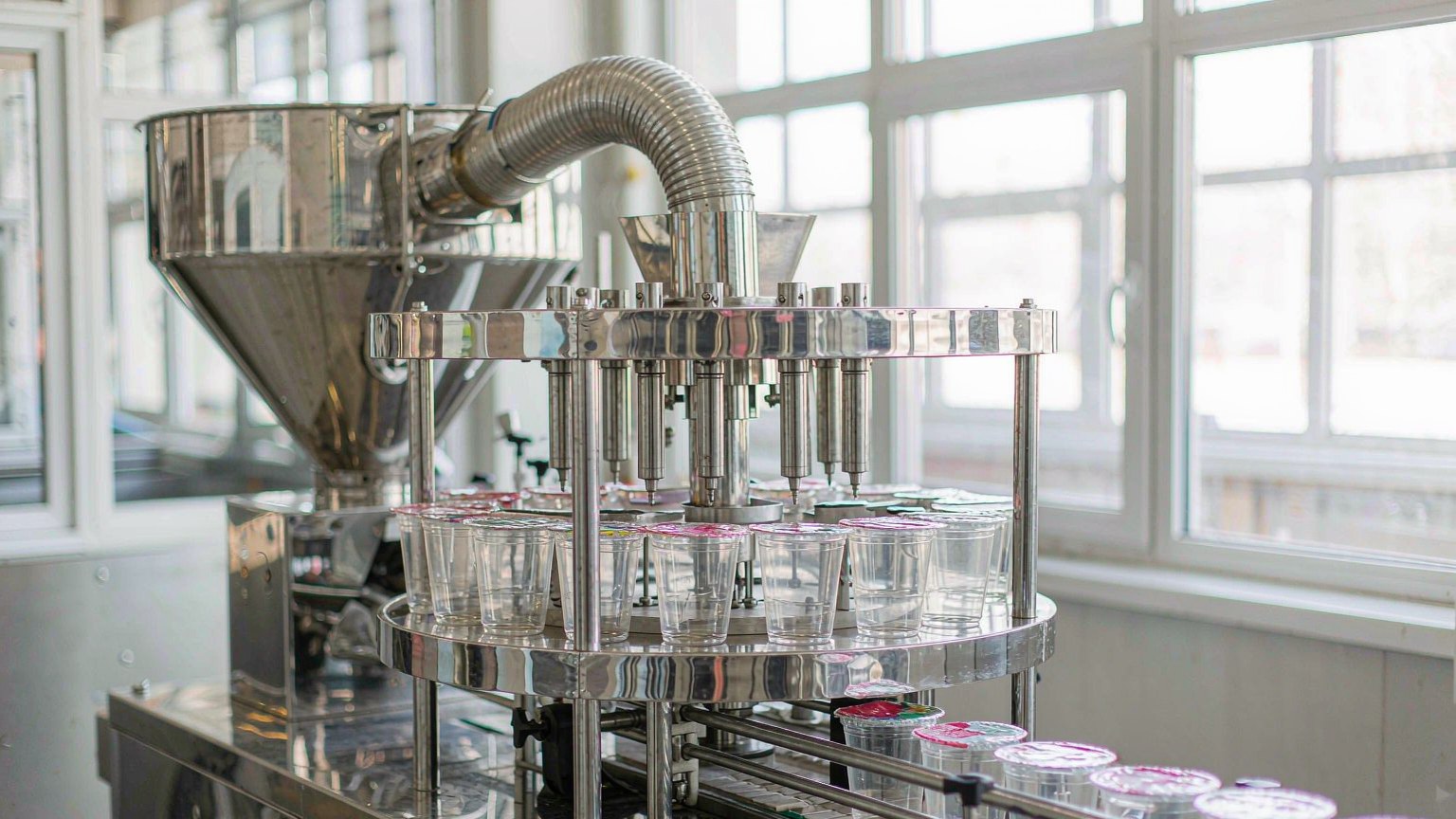
Fill weight, seal position and seal force decide whether an ice cup is a product or a complaint. How modern ice cup packers control all three.
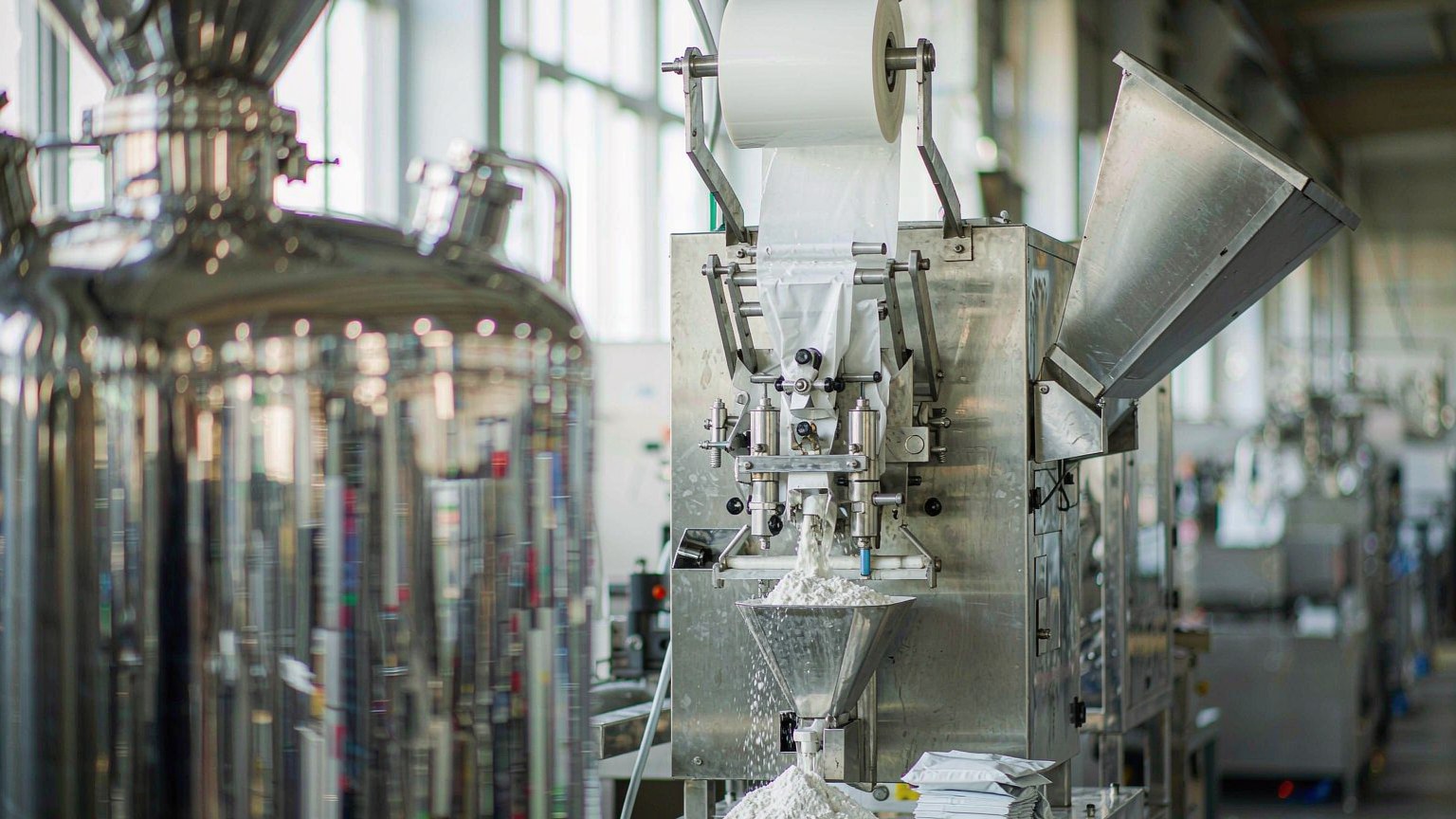
Powder behaves differently from every other material. Matching the machine to the powder, controlling dust and static, and getting the seal right.
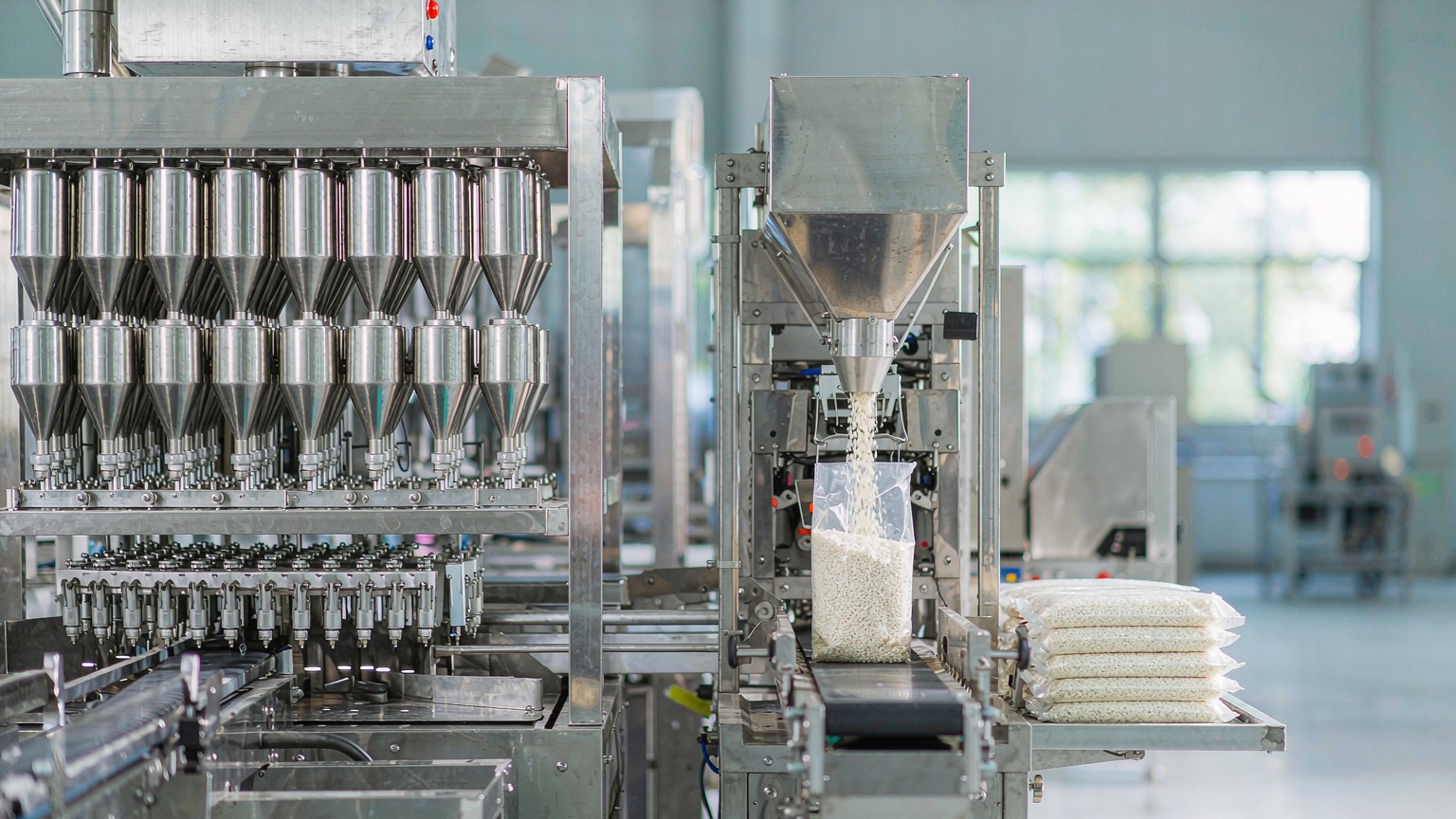
How multihead weighing and good sealing took granule snacks from loose, unbranded goods to weighed, traceable, branded packs.
Compact, accurate and easy to clean — how small-format granule packaging machines suit smaller producers, and the six points to check before specifying one.