

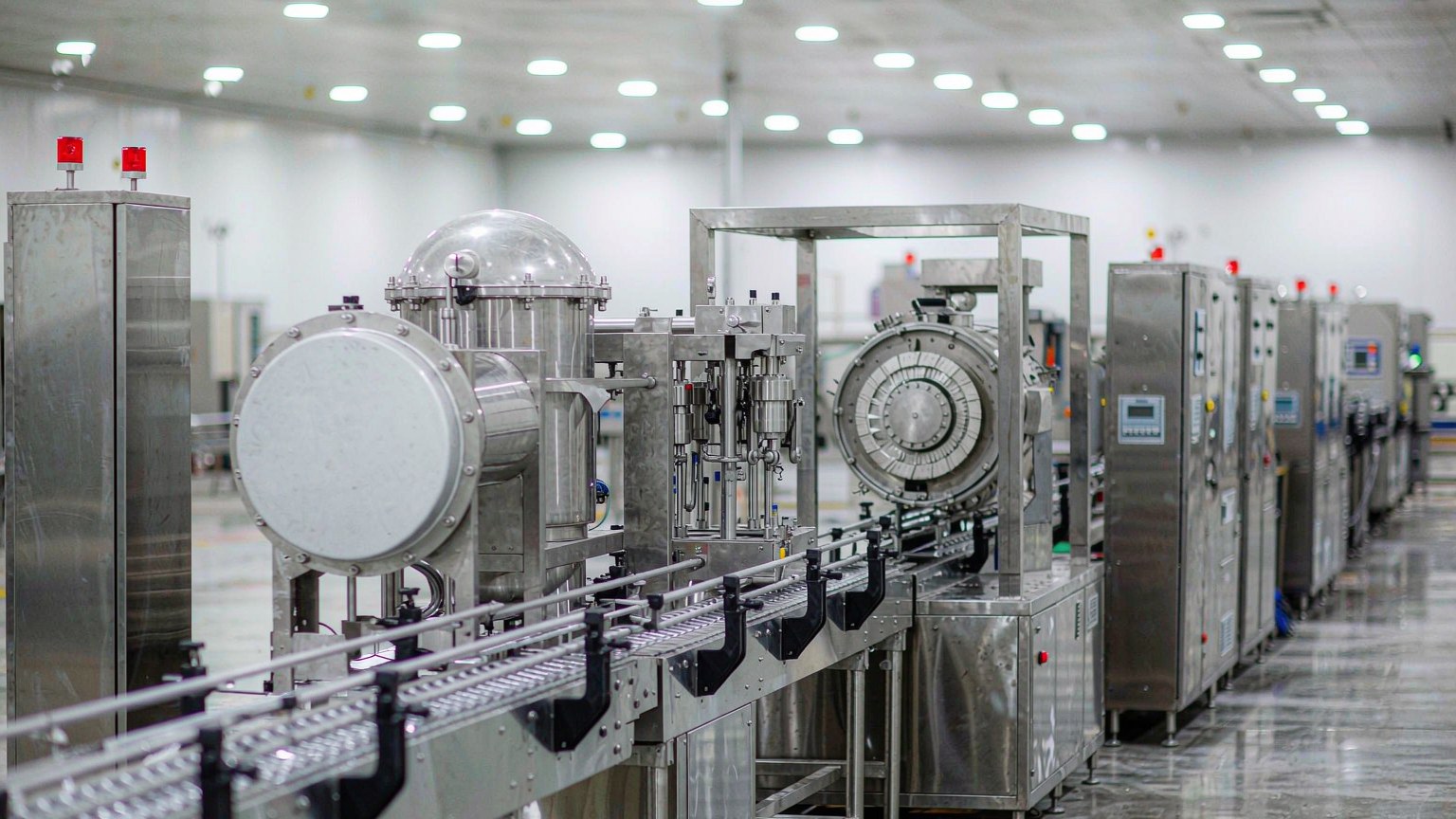
Food manufacturing has moved steadily toward automation because the market demands both higher quality and lower cost, and those two requirements are difficult to satisfy with manual production. A food automation line connects processing, handling and packing under a common control system, and it is worth understanding both what it is made of and what it actually changes.
What it consists of
A food automation line typically includes material handling equipment, mixers, filling machines, packing machines, sterilising equipment and conveyors, coordinated by a control system with sensors providing feedback. The sensors are what make the system adaptive rather than merely sequenced: they report temperature, pressure, timing and throughput, and the controller adjusts process parameters in response, so the line holds its specification as conditions change instead of drifting until someone notices.
Five things it changes
Continuity is the first. Automated equipment runs without the interruptions inherent in human operation, which compresses the production cycle and shortens delivery lead times. Precision is the second: sensors and controls hold temperature, pressure and time within tight limits, so each batch is processed to the same specification. Hygiene is the third and possibly the most valuable in food production, because automation reduces the number of times people touch product — which is the primary route by which contamination enters. Equipment that is stainless, smooth and easy to clean supports the same objective. Flexibility is the fourth: modern lines can be adjusted for different products, packaging formats and processes, and in some cases switched between configurations through software, which is what makes a single line able to serve a varied product portfolio. Intelligent monitoring is the fifth, and it is what ties the others together: continuous tracking of speed, equipment state and material consumption gives the plant the information to detect a problem and correct it while production continues.
The categories it serves
The equipment range spans baking, beverages, dairy and convenience foods, and the underlying architecture is the same across them. What varies is the specification: hygiene class, temperature control, cleaning regime and the material properties of the product. The reason food automation keeps expanding is not that labour is disappearing, but that consistency is now a condition of sale — a retailer buying a branded product is buying the guarantee that the tenth batch matches the first.
Need help specifying or upgrading a line?
Send us your product, format and target output per shift. We come back with a station sequence, the tooling list and an indicative price — no obligation.
