

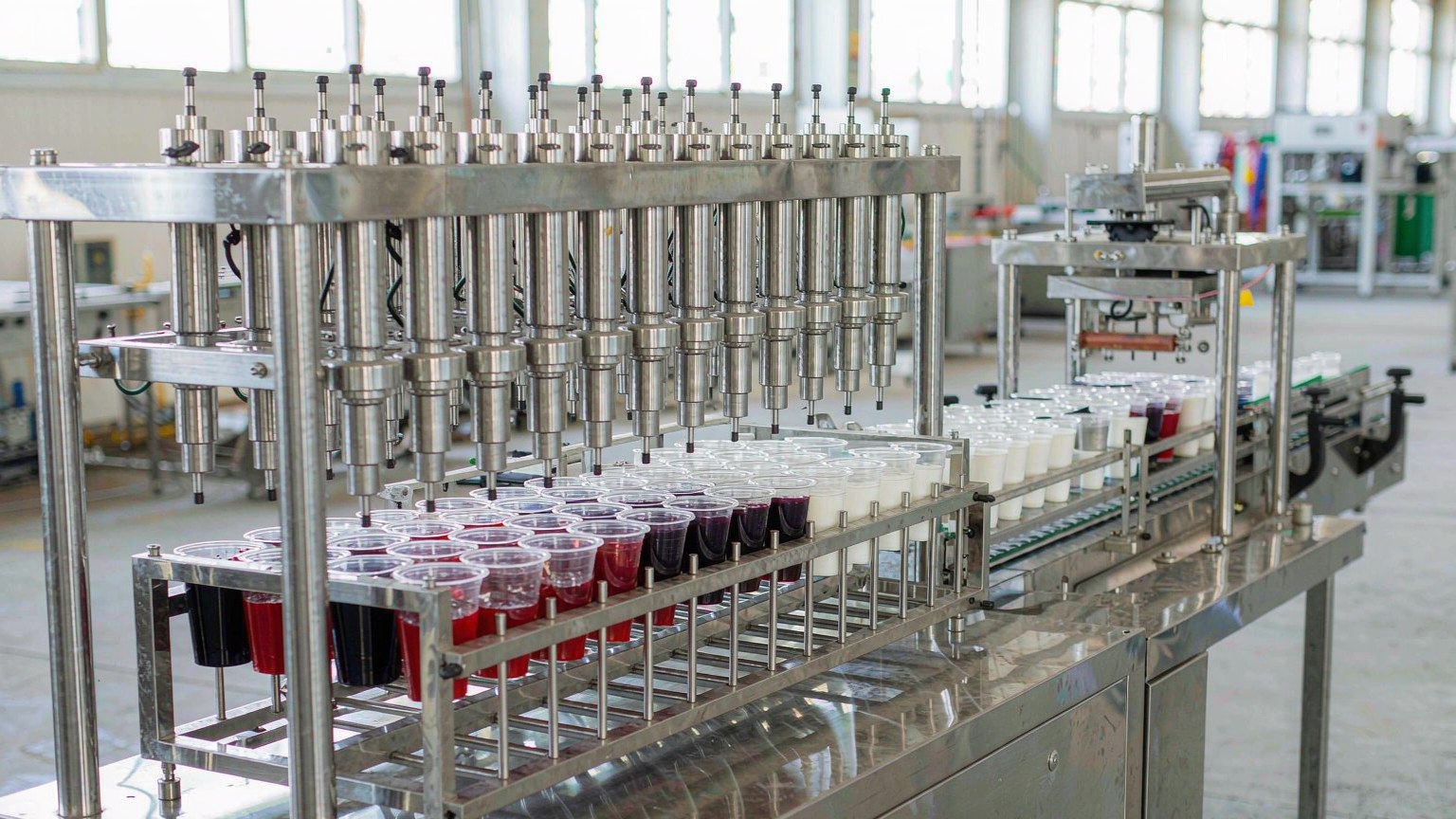
Ice cube filling and sealing machines run daily in food production, and their reliability determines both output and product safety. The maintenance that keeps them reliable is best organised in layers, because the work at each level is different in kind: daily checks catch conditions, monthly work addresses wear, quarterly inspection addresses electrical integrity, and a defined protocol covers faults and idle periods.
Daily
Start the day with a check rather than a start button. Confirm power and data connections are secure, because a loose connection produces intermittent faults that are hard to trace later. Inspect the product tank, filling head and sealing die for residual ice and contamination — ice residue is both a hygiene issue and an obstruction. After production, isolate the machine and clean the interior and exterior of residual material, leaving the machine clean and dry. During the run, watch fill accuracy and sealing temperature; if either drifts, stop and correct before continuing rather than accumulating out-of-specification product.
Monthly
Monthly maintenance addresses wear. Examine the drive components — gears, chains — for wear and looseness, tightening fasteners that have worked free and replacing parts that have worn beyond specification. Apply lubricant to bearings and rotating parts, which reduces friction and keeps the machine’s motion accurate. Then check the sealing system specifically: heating elements and the temperature controller should be verified so that heat application is even and the setting is accurate, because an unnoticed temperature error degrades every seal the machine makes.
Quarterly
Once a quarter, inspect the electrical system: contactors, relays and related components should be checked for correct operation. Electrical faults in a machine handling food and water are a safety matter as well as a reliability one, and the inspection is inexpensive compared with the consequences of neglecting it.
Faults and idle periods
When a fault stops the machine, the correct response is to have it diagnosed by a competent technician. Dismantling equipment without the necessary knowledge tends to enlarge the fault rather than resolve it, and on a machine in food production it also risks the hygiene status of every component that is disturbed. If the machine is to stand idle for a long period, prepare it properly: clean the interior of all residual material, apply rust protection to parts liable to corrode, fit a dust cover, and run it briefly at intervals to prevent components from seizing through disuse.
Making it stick
Maintenance only works if someone owns it. Keep a maintenance file recording what was done, when, and by whom, and assign responsibility for each level of the schedule. Defined responsibility and recorded work turn maintenance from an intention into an auditable practice — and on a food line, both the reliability and the hygiene outcomes depend on exactly that.
Need help specifying or upgrading a line?
Send us your product, format and target output per shift. We come back with a station sequence, the tooling list and an indicative price — no obligation.
