

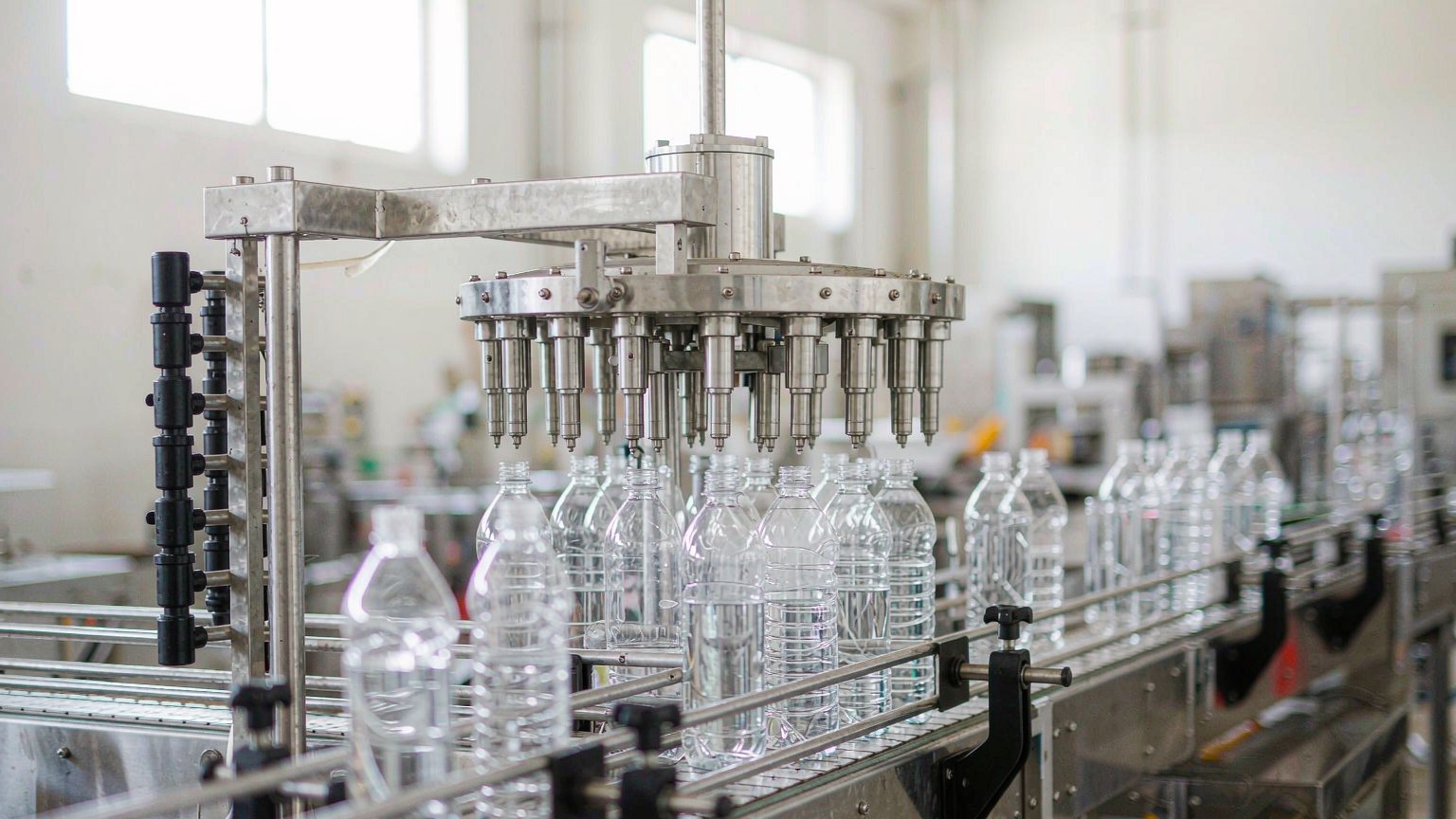
Detergent filling equipment is a useful case study in how a category of packaging machinery evolves, because the forces that moved it — technical capability, market fragmentation and environmental regulation — arrived in a recognisable order.
The technical path
Early machines were semi-automatic: an operator placed and removed bottles, started each cycle, and the machine’s contribution was limited to dosing. Accuracy and speed were constrained, and large-scale production was difficult to justify. Fully automatic machines became the norm once servo motors and PLC control were applied to filling volume, sealing temperature and speed, and from that point the product became consistent rather than merely acceptable. The current stage is intelligence: vision systems that identify and eject defective units automatically, and connectivity to production management systems that monitor capacity, energy consumption and fault conditions, and forecast failures. The longer-term direction this points to is production that can run with very little human attendance.
What the market pushed for
Demand is the primary driver, and within it the notable feature is segmentation. Consumers now choose between concentrated, antibacterial and fragranced formulations, and each variant means a production change. That places a premium on flexibility — the ability to change bottle format and product quickly — because a line that takes a shift to change over cannot serve a fragmented range. E-commerce and live-stream retail added a second pressure: sudden order patterns across large numbers of SKUs, which requires rapid changeover and the ability to run small batches economically. Rising labour cost supplied the third push, making the return on automation attractive enough that mid-sized producers could justify it.
Regulation as a design input
Environmental policy has become a specification item rather than a marketing theme. A current generation of machines has to accommodate recycled plastic, bio-based materials and degradable packaging, because those are the materials producers are being steered toward. The equipment itself is also expected to be more efficient: servo drives that reduce standby consumption and optimised sealing systems that reduce heat loss, both of which cut the carbon footprint of production rather than the product.
What comes next
Single-purpose machines are losing their appeal. The requirement is increasingly for a line that switches between bottle types and between liquid viscosities — from thin to gel — and can also label and carton. The leading suppliers have responded by selling solutions rather than machines: equipment layout, process optimisation and after-sales support as a package, aimed at the customer’s overall operating cost rather than at the machine’s purchase price. Detergent filling has travelled from a substitute for labour to infrastructure, and that is now what it is bought as.
Need help specifying or upgrading a line?
Send us your product, format and target output per shift. We come back with a station sequence, the tooling list and an indicative price — no obligation.
