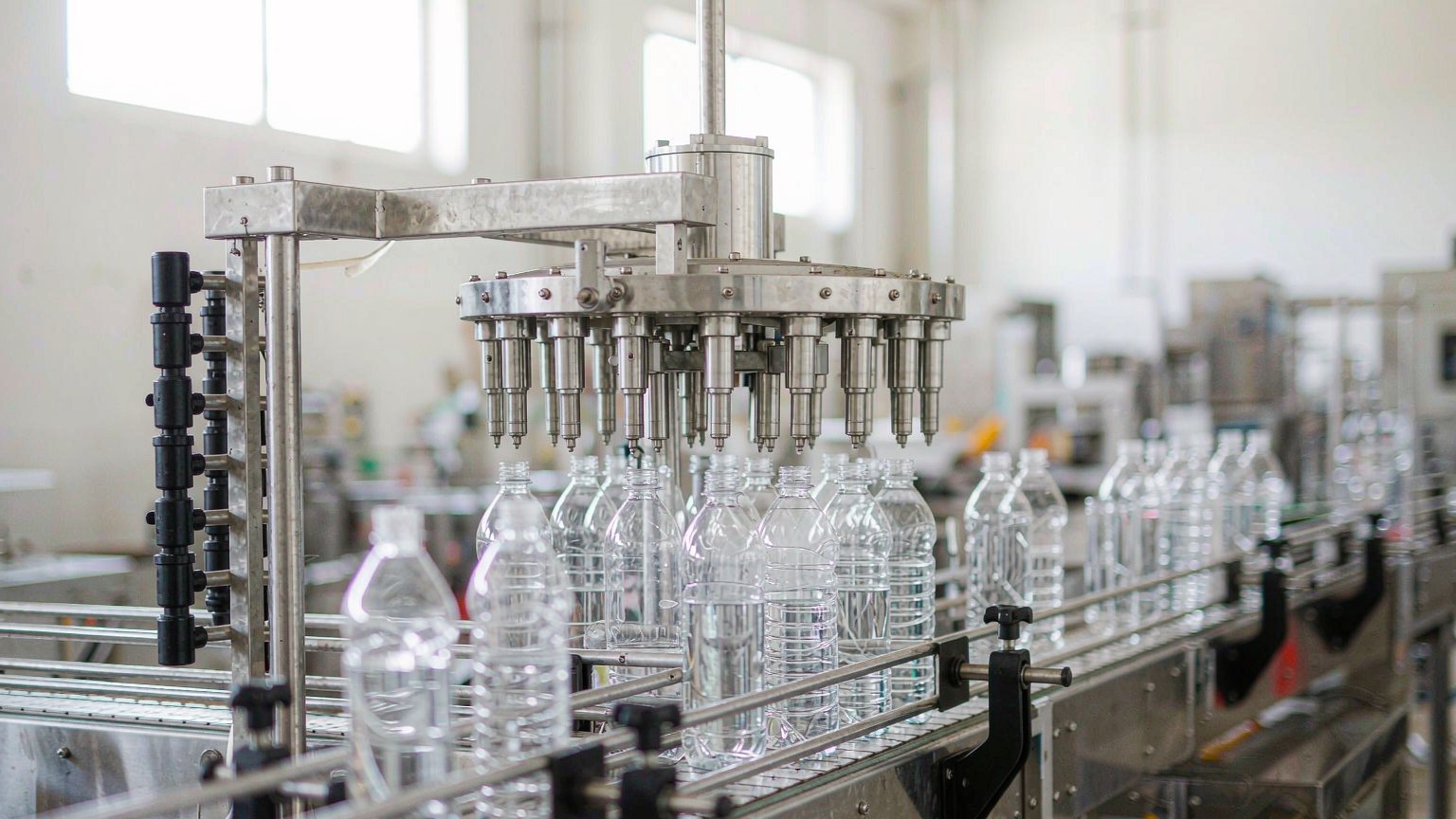
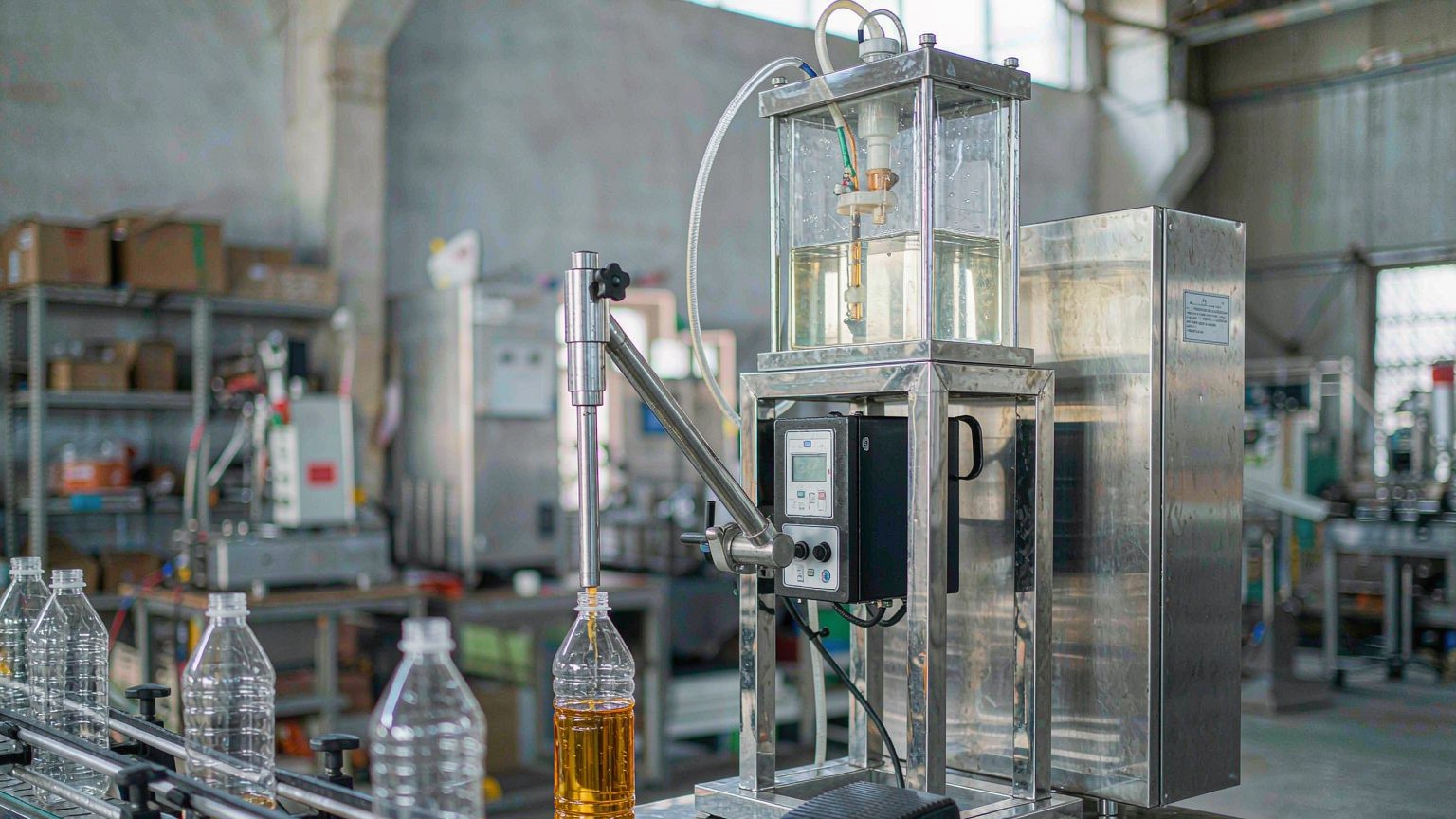
The anatomy of a metered liquid filler, the dosing methods available, and how to tell a machine that holds tolerance from one that only claims to.
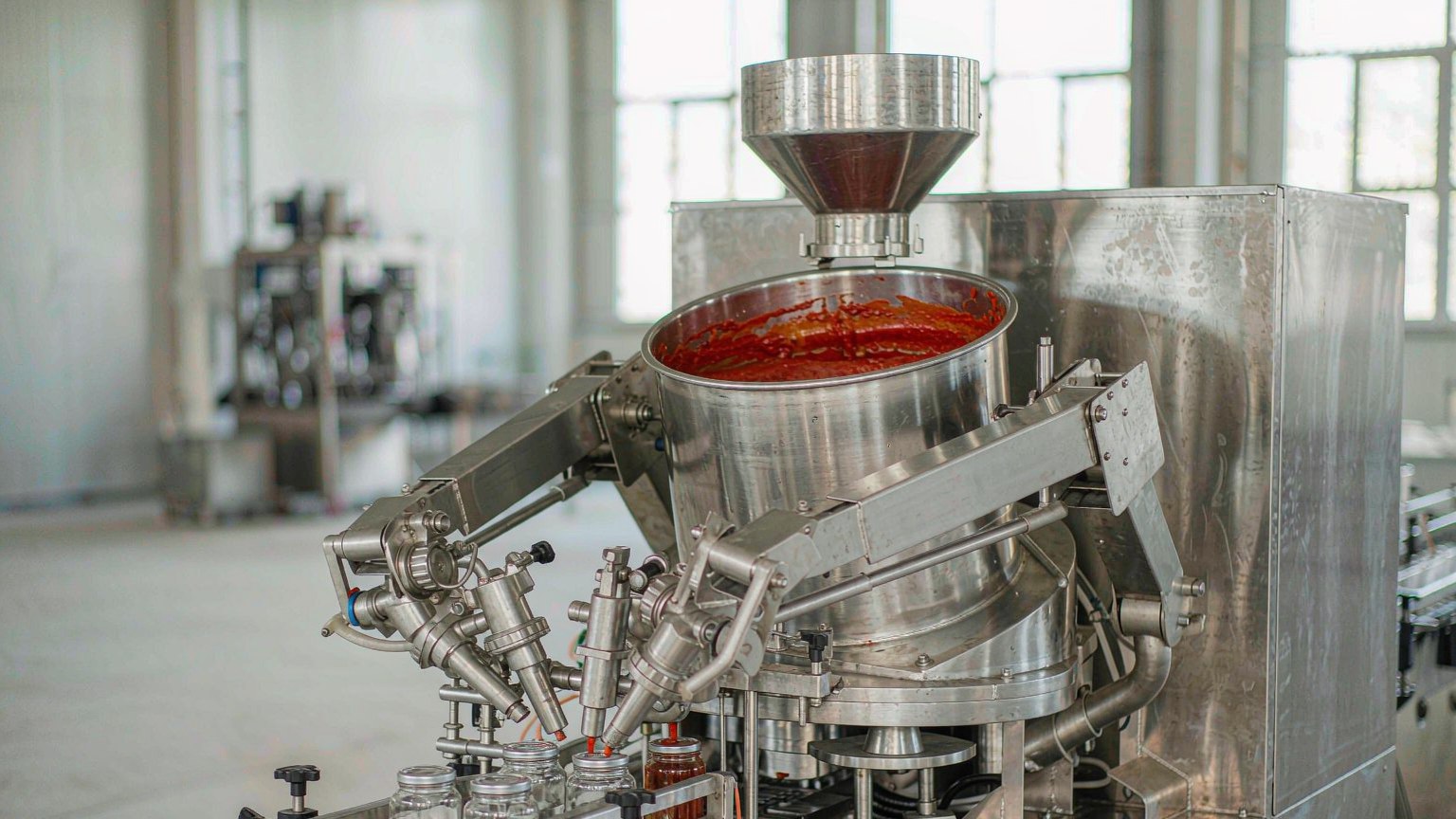
Pastes fight back — they are viscous, they string, they resist flow. How automatic filling resolves the efficiency-versus-precision trade-off.
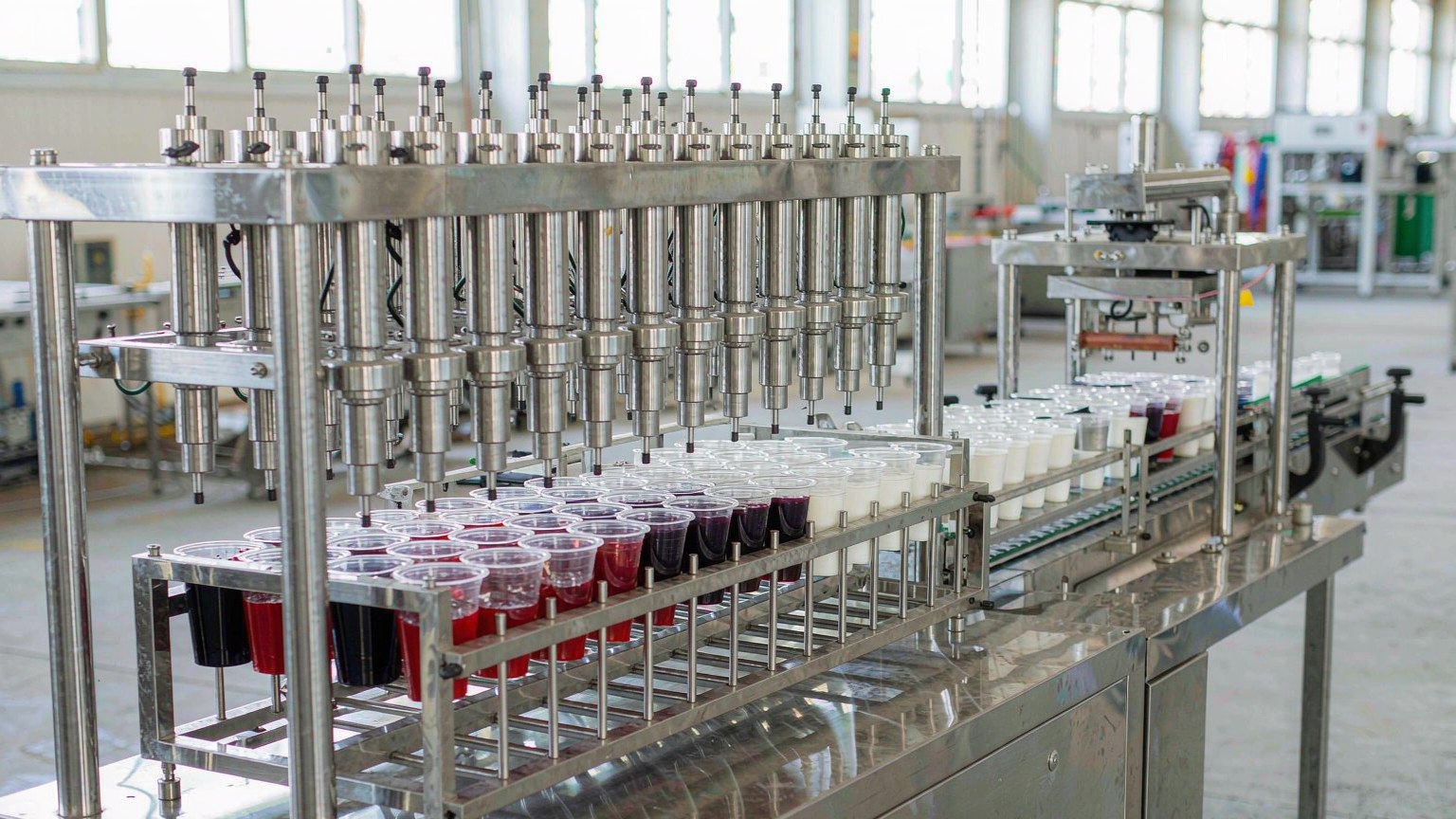
Automatic cup denesting, dosing, sealing and discharge for boxed and cupped sauces — and why the format beats a bottle for this product family.
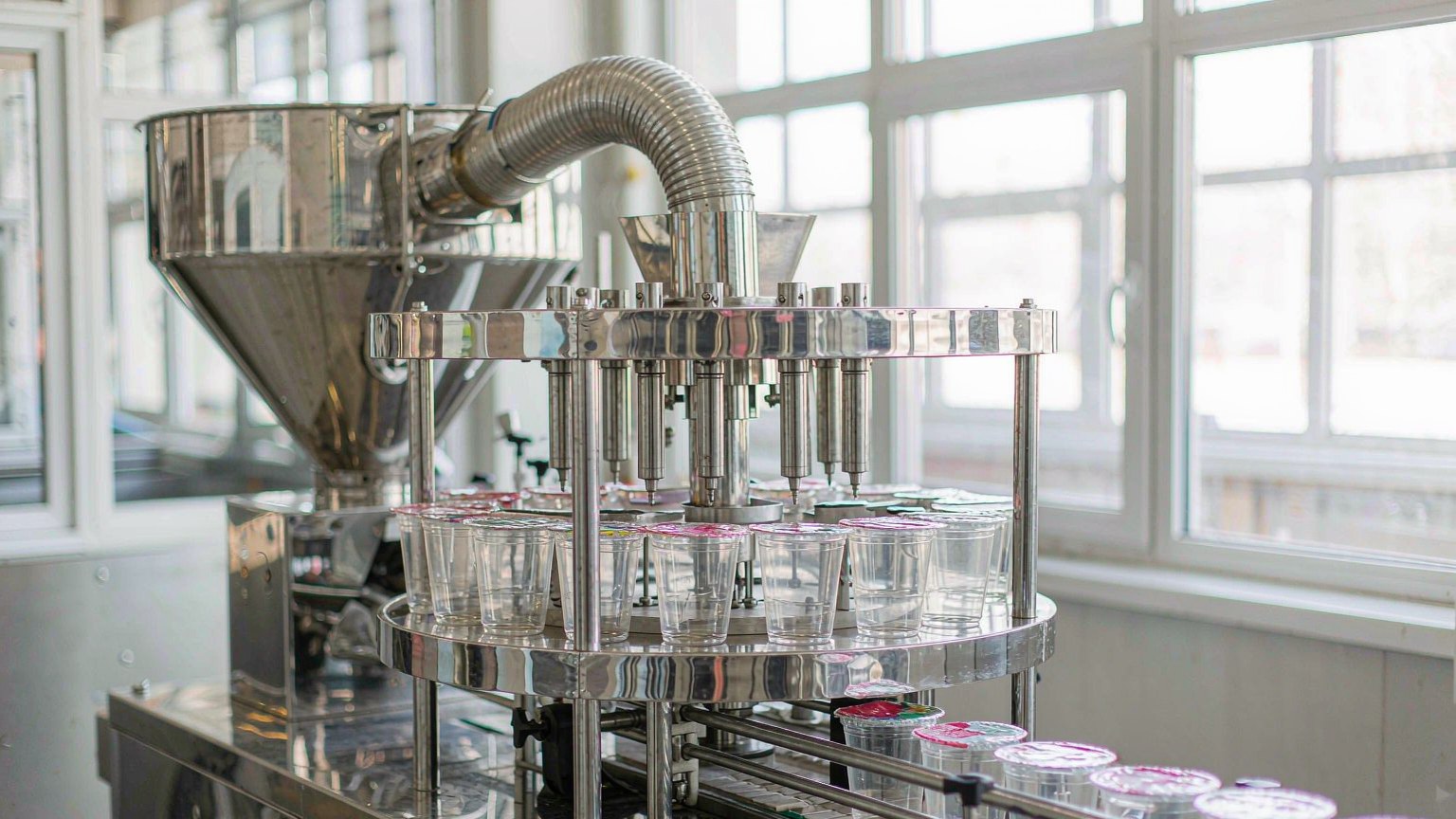
Ice making, dosing and sealing combined in one modular machine — plus ultrasonic sealing, sensor monitoring and inline coding.
Pouch filling for ketchup, chilli sauce, peanut butter and dressings — accuracy, sealing, format range and the operator interface.
High-sugar, perishable product plus moving machinery. The pre-start checks, in-run monitoring and shutdown routine that keep a juice line safe and reliable.
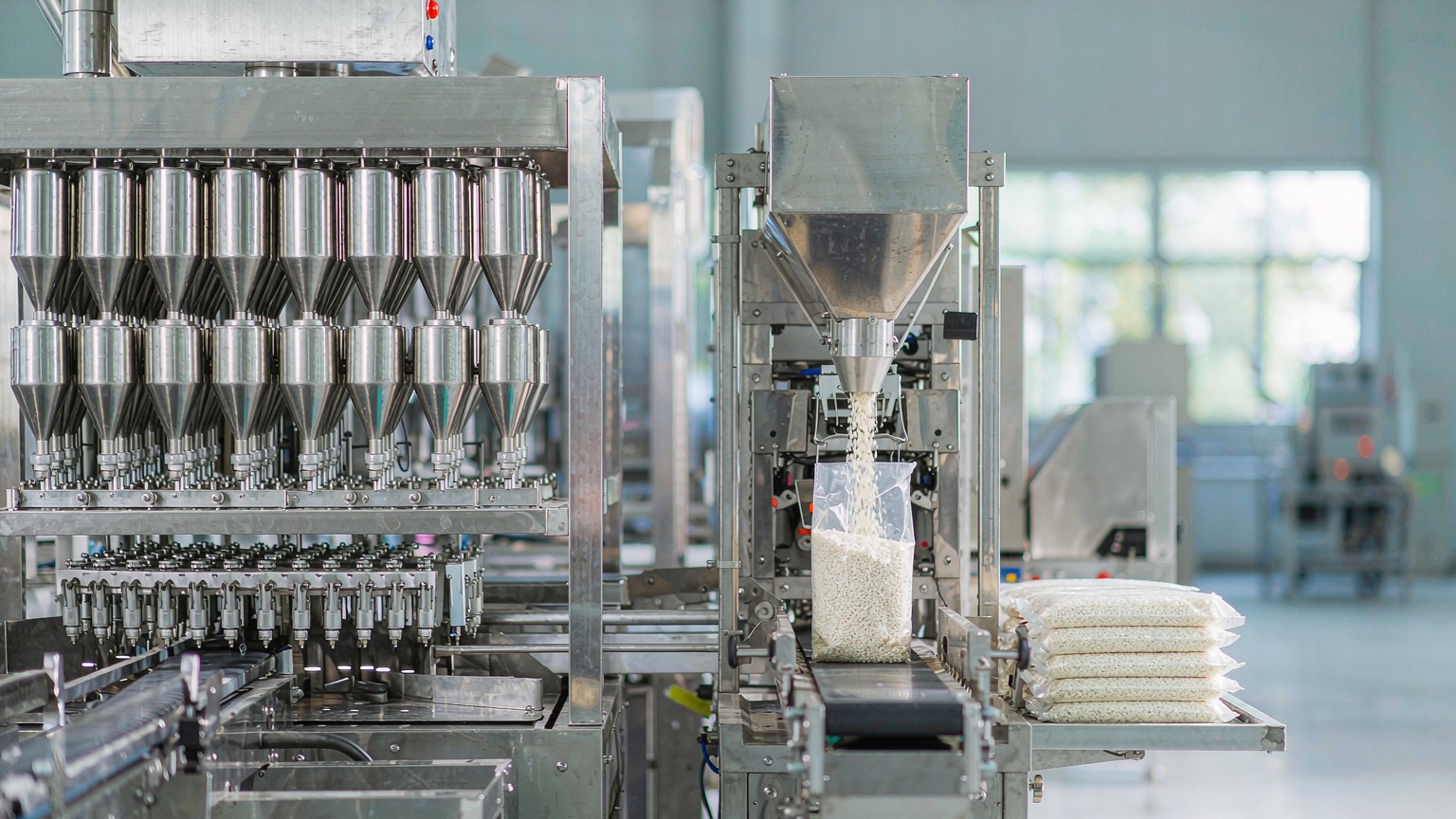
Why combination weighing suits popcorn, crisps and prawn crackers — speed, accuracy, bag format flexibility and small footprint.
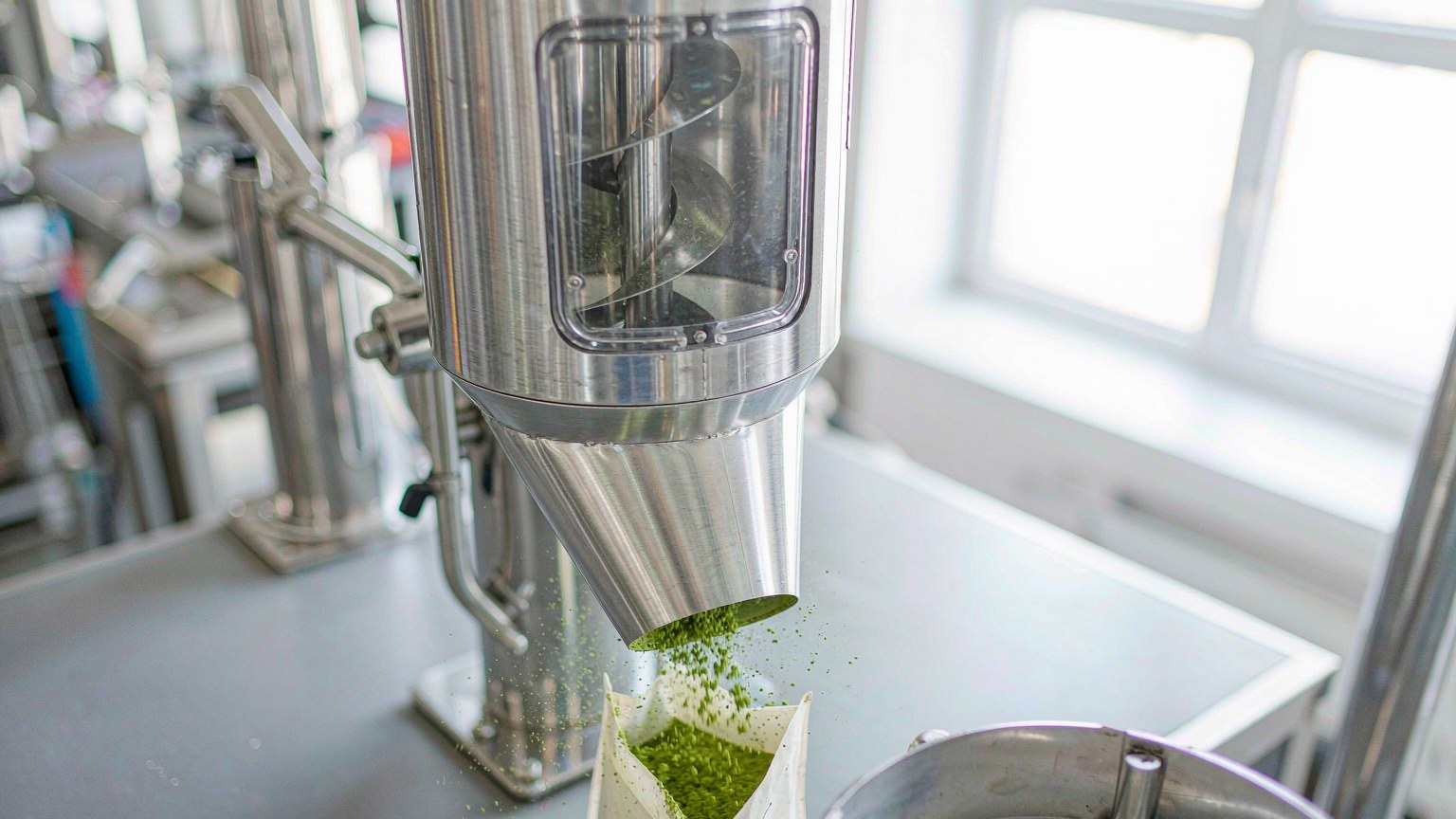
Ultra-fine matcha bridges, static-clings and oxidises fast. Screw dosing, inert gas flushing and tight seal control are what keep it green.
Sauces are viscous, often particulate and sometimes corrosive. These three properties set the operating rules for filling pumps, sealing parameters and daily cleaning.
For sauces, honey, jams and dressings, a semi-automatic paste filler often beats both hand filling and a full automatic line. Here is why, and when to move up.

Why the cup and tray sealer became the workhorse of dairy, dessert, ready-meal and drink production — and how modular design keeps it adaptable.
Inaccurate fills, dripping nozzles, unresponsive dosing switches and stuck solenoid valves — a diagnostic order that finds the cause quickly.