

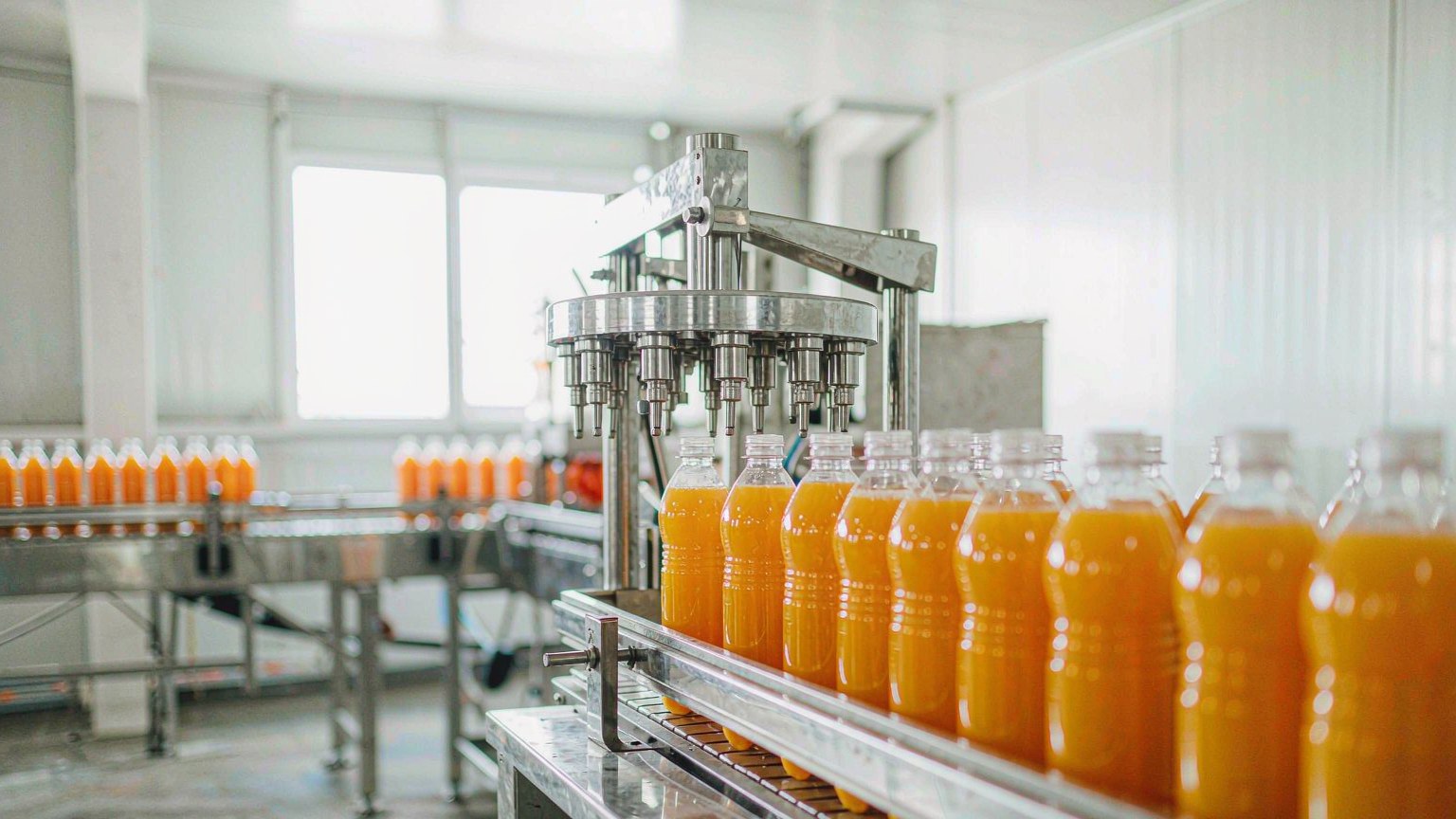
A juice and beverage filling and sealing machine sits at the point where a liquid product becomes a sellable unit. Used correctly it delivers throughput and consistent quality at the same time. Used carelessly it produces packs that look acceptable and fail later — a weak seal, an under-filled bottle, a contaminated filling head.
Before the first container
Start with a full inspection: power supply, compressed-air pressure and the lubrication state of the drive components. Then set the machine to the product — fill volume, sealing temperature and line speed all change with the beverage and the container. The filling heads and sealing jaws must be cleaned and sanitised thoroughly before they touch product, since this is the most direct route for contamination to enter an otherwise clean line. Finally, fit the tooling for the container format in use and confirm every part is properly seated; a loose change part is a fault waiting for the first fast cycle.
Bring the line up gradually
Start at low speed and bring the machine to production rate once it is running smoothly. Rushing the ramp-up hides faults that become expensive at full speed. During filling, the level in each container is watched for consistency — under-filling is a compliance issue, over-filling wastes product and makes a mess of the seal area. Sealing temperature is the parameter that deserves the most attention, because it has two failure modes: too low and the seal does not bond; too high and the packaging material is damaged, which can also degrade heat-sensitive components in the product. Sample seal quality at intervals through the run, checking that the seal is flat, continuous and complete.
Safety, training and daily cleaning
Operators should be trained on the machine specifically, including the location and behaviour of the emergency stop, rather than learning on the job. During operation, hands and tools stay out of the moving zone — the cycle is faster than a person’s reaction to it. At the end of production, the machine is cleaned to procedure, with particular attention to every surface that contacted product. Skipping this step is how spoilage organisms survive from one shift into the next.
Reading the common faults
Three symptoms cover most of what goes wrong. A weak seal points to temperature setting, sealing pressure or a material that is not suited to the process. A drifting fill volume points to valve sealing or to air pressure in the pneumatic system. Unusual noise from the machine is a signal to stop and investigate rather than to continue and monitor — by the time noise becomes visible damage, the repair is larger. Treating these symptoms as diagnostic information keeps a beverage line predictable.
Need help specifying or upgrading a line?
Send us your product, format and target output per shift. We come back with a station sequence, the tooling list and an indicative price — no obligation.
