

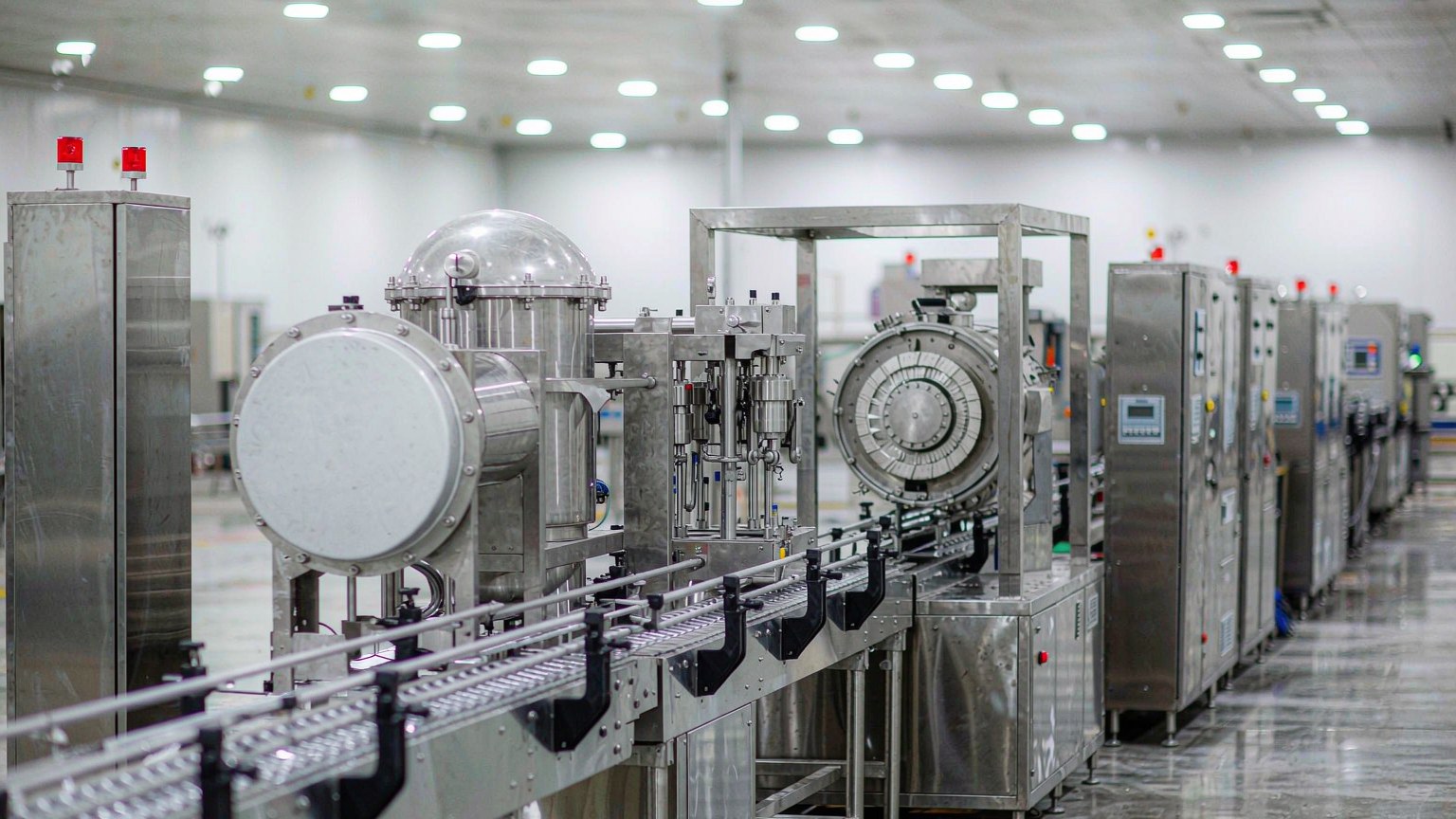
Food packaging machinery has moved from a support function to a determinant of what a food business can do. Automatic equipment has largely replaced manual operation because it is faster, more precise and more consistent, and because the market now expects products to be identical from batch to batch. Understanding both what the machinery delivers and what it requires is what separates a successful installation from an expensive one.
What the machinery delivers
Throughput is the most visible benefit: high-speed automatic operation handles bags, bottles, cartons and other formats at volumes manual packing cannot approach, which reduces the production time per unit and therefore the cost. Precision is the second, and it comes from sensors and control systems that regulate pack weight, dimensions and seal position, cutting both deviation and the proportion of defective packs. Integration is the third: modern machines frequently combine several functions on one frame, taking a product from dosing through filling and sealing to labelling and secondary packing, which reduces both the labour content and the floor area required. Adaptability is the fourth, since the same equipment can be adjusted for dry goods, liquids, sauces, frozen products and convenience foods, so a producer can change the product mix without changing the plant. And intelligent control is the fifth — PLCs, industrial computers and human-machine interfaces allow parameters to be set and monitored, faults to be reported and production data to be collected.
What it changes for the business
The competitive effect is broader than cost. Consistent packaging quality protects the product through distribution and presents it well on the shelf, which affects both losses and sales. Reduced reliance on manual labour lowers cost and, just as importantly, reduces the variability and contamination risk that human handling introduces in food production. And because an automated line can be re-configured, a business can respond to demand shifts and product changes without a capital project each time.
What it asks of the plant
The honest counterpoint is that automatic packaging machinery is not self-managing. It needs a product range defined narrowly enough that the machine can be set for it, operators trained to understand the parameters rather than only the buttons, and a maintenance capability that can keep the machine at its rated performance. It also needs the packaging materials it was specified for — a machine set up for one film structure will underperform on another. Plants that install automation without those conditions usually end up with equipment that runs below its rated output and is blamed for it. The machinery raises the ceiling; whether the plant reaches it depends on the plant.
Need help specifying or upgrading a line?
Send us your product, format and target output per shift. We come back with a station sequence, the tooling list and an indicative price — no obligation.
