

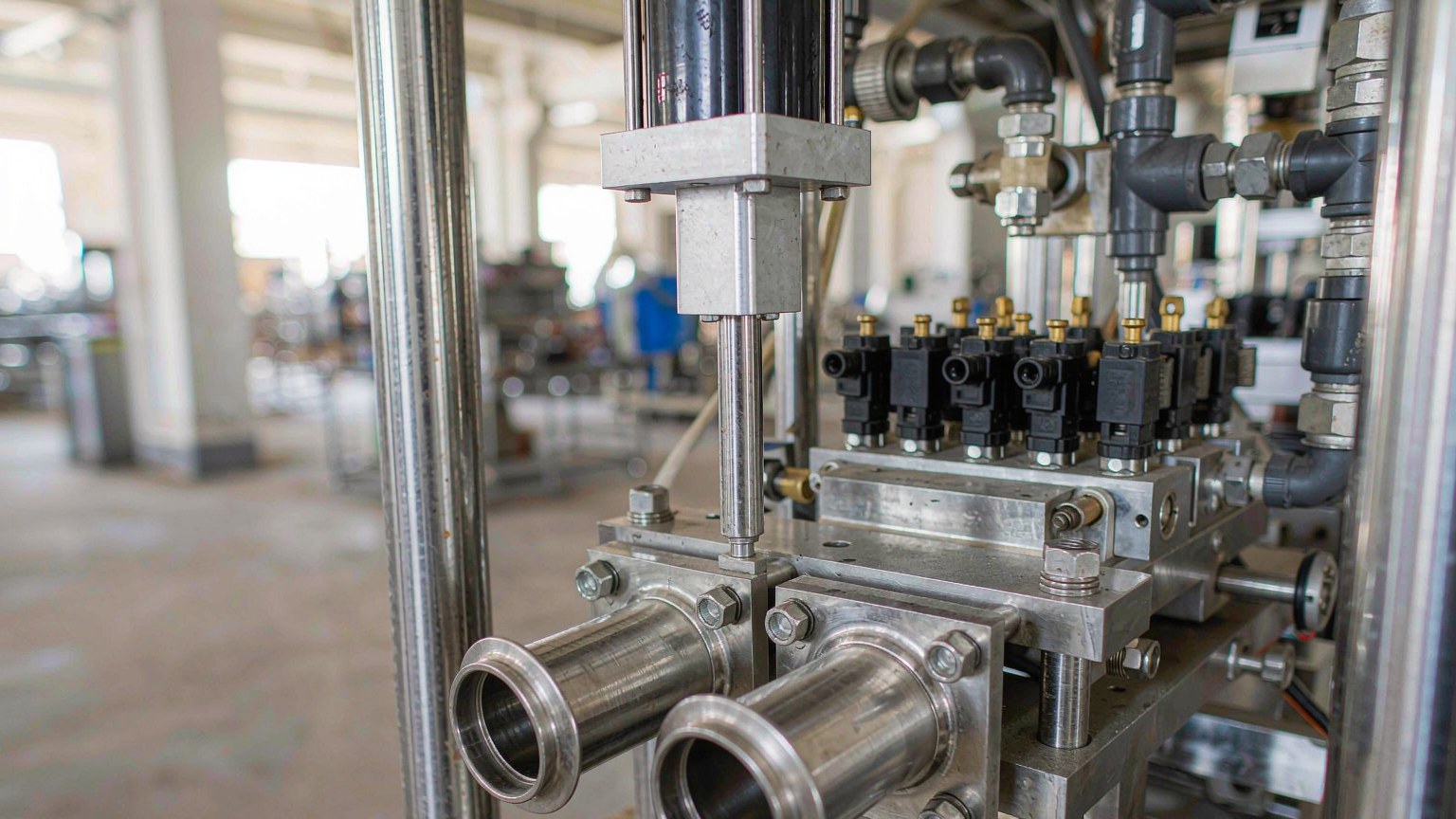
A filling machine sits at the point where product cost, product quality and human safety all converge. Getting it right comes down to three principles, and they are worth treating as fixed rules rather than guidelines.
Safety first
Safety operates at three levels. Personal protection begins with training: an operator should know where the emergency stop and guard interlocks are and how they function, and should wear appropriate clothing, eye protection and gloves to avoid contact with moving parts, hot surfaces and chemicals. Equipment protection means never removing a guard or reaching into a rotating assembly while the machine is running — cleaning, adjustment and fault clearing all happen with power and air supply isolated and a lockout tag in place. Environmental safety covers the plant itself: proper earthing, a tidy and dry work area free of oil and standing water, and strict adherence to explosion-safety rules where flammable or explosive products are being filled. None of these is discretionary, and the cost of neglecting any of them is not measured in production hours.
Operating discipline
Discipline is what produces consistent fill quality. Before start-up, check the product tank level and pneumatic pressure, confirm that no pipe or valve is leaking, and set fill volume, speed and sealing parameters from the actual product — its viscosity, corrosiveness and gas content — and the actual container. Then do a first-article check: measure the fill volume, test the seal and inspect the appearance of the first unit before releasing the machine for volume production, and sample periodically thereafter. Confirm that the materials of every wetted part are compatible with the product, since a pump or seal chosen for water will not survive a corrosive chemical. When container format changes, adjust the container clamping and filling head height accordingly, or the result will be tipped containers and worn parts. And while the machine runs, stay with it: unusual noise, vibration or leakage is information, and a machine left unattended is a machine that will eventually fail unattended.
Preventive maintenance
Maintenance done before failure is far cheaper than repair after it. Clean and sanitise the filling head, conveyor and product tank at the end of every shift, using tools that will not damage precision components, because cross-contamination and microbial growth are the direct result of shortcuts here. Lubricate bearings and guide rails to the specified schedule and check fasteners for loosening caused by vibration. Operate a written weekly, monthly and annual plan that prioritises wear items — seals, O-rings, filling valves — and that includes calibrating sensors and metering systems so accuracy does not silently erode. And when a complex or electrical fault occurs, call a qualified technician; dismantling core components without the necessary knowledge usually makes the problem larger.
Need help specifying or upgrading a line?
Send us your product, format and target output per shift. We come back with a station sequence, the tooling list and an indicative price — no obligation.
