

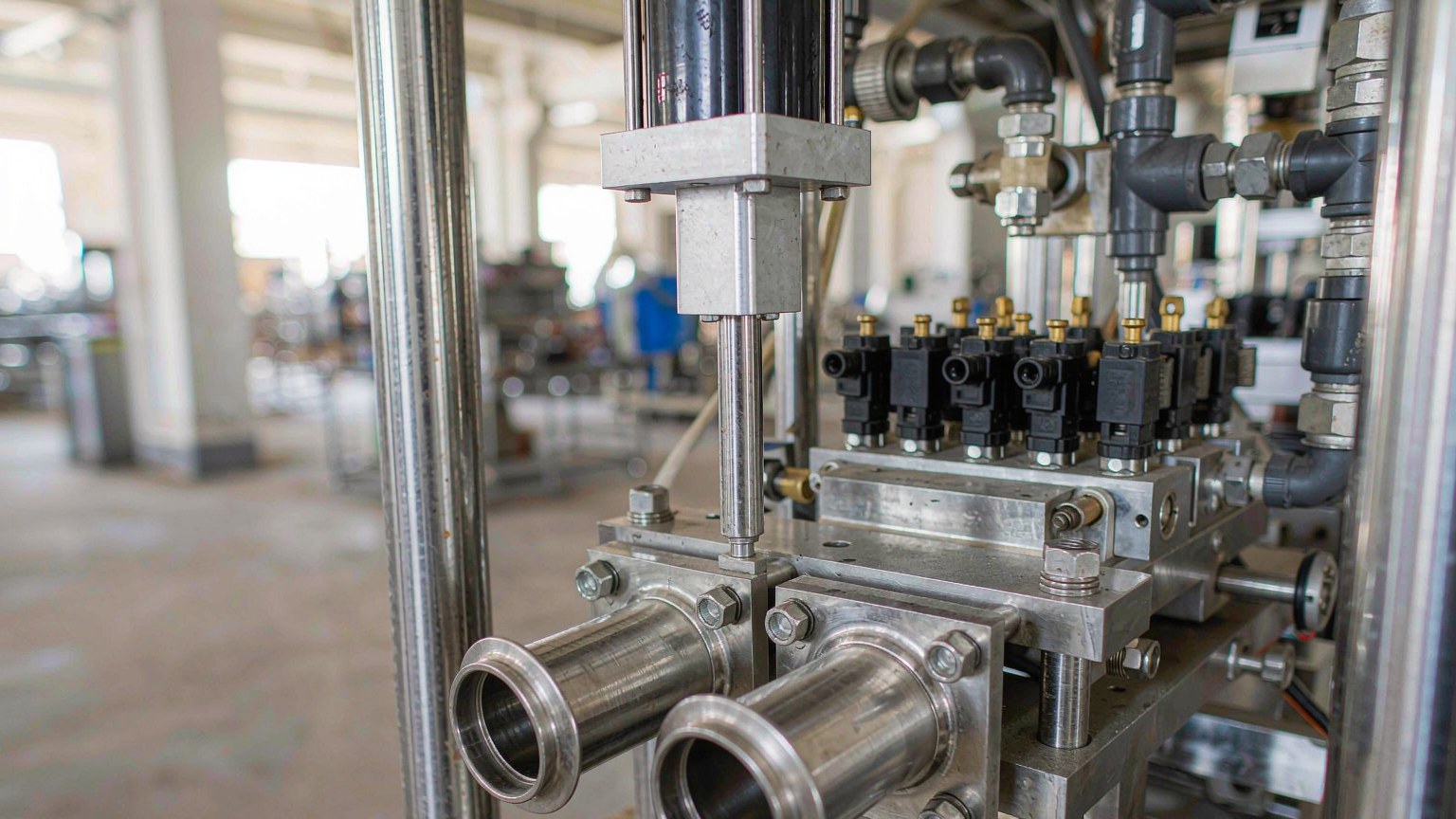
An automatic filling production line is a sequence of machines that behave like one machine. Containers are unscrambled and fed, product is dosed, closures are applied, labels and codes are added, quality is verified, and finished packs are cased and palletised — with the operator supervising rather than handling. Filling is the centre of the line, but the line only works if every module around it keeps pace.
The modules, in order
Container unscrambling and feeding takes bulk containers and presents them in a line at a defined pitch, which is the precondition for everything downstream. The filler then doses the product; the choice of pump and filling structure is made from the material — piston, peristaltic, weighing or flow-meter designs each suit a different viscosity and behaviour. Capping and sealing follows, applying screw caps, press-on lids or foil seals and verifying that each closure is properly applied. Labelling and coding stations apply the product identity, barcode and date information. Inspection equipment checks for missing containers, verifies fill level, reads the label and weighs the pack, so that defects are rejected rather than shipped. The final module cases, seals and palletises finished product, which is where the labour saving becomes most visible.
Matching the line to the material
Different materials demand different filling architectures. Thin liquids such as water, soy sauce, vinegar and milk fill well by gravity or flow meter. Thicker products and pastes need piston or peristaltic dosing. Powders and granules are handled by auger or by weighing. Volatile products need enclosed transfer to prevent loss. Getting this mapping right is what determines whether a line runs at its rated speed or permanently at half of it.
Where these lines are used
Food and beverage is the largest category — bottled water, condiments, milk, juice and dressings. Pharmaceuticals and health products follow, including oral liquids, syrups, disinfectant alcohols and nutritional preparations, where accuracy and cleanliness standards are stricter. Personal care covers shampoos, body wash, lotions, dish liquid and fragrances. Chemicals cover lubricants, cleaning agents, agricultural liquids and solvents, usually requiring corrosion-resistant wetted parts.
Specifying one sensibly
Define the product range and its viscosity band first, then the container range, then the output. Choose the level of automation against your labour reality rather than against a brochure: an automatic line needs a trained operator and a maintenance capability to deliver its rated output. Finally, insist that the line is specified as a system — infeed, filling, closing, inspection and packing sized to the same throughput — because a fast filler behind a slow capper is the most common and most expensive way to buy an automatic line.
Need help specifying or upgrading a line?
Send us your product, format and target output per shift. We come back with a station sequence, the tooling list and an indicative price — no obligation.
